Zanskar Valley

For Adventurers, nature lovers, or anyone looking for a break from the stressful modern world, Zanskar Valley is a must-visit location. One of India’s most beautiful and mysterious area is Zanskar, which is tucked away in the Indian Himalayas. Despite its relative isolation, this rocky valley in the Ladakh region provides a variety of cultural experiences, stunning scenery, and thrilling activities for those who are ready to go off the usual route. Both the senses and the spirit are captured by the captivating landscape. The air is extremely pure and the peace so deep that it nearly feels if the earth is peacefully relaxing.
The region’s isolation attracts both nature enthusiasts and adventurers. It is mainly untouched by general tourism, allowing visitors to interact with natural element of the Himalayas. The calm rivers and peaceful atmosphere make it a great spot for individuals seeking serenity, privacy, and a deep connection with nature.
Adventurous Activities in Zanskar Valley
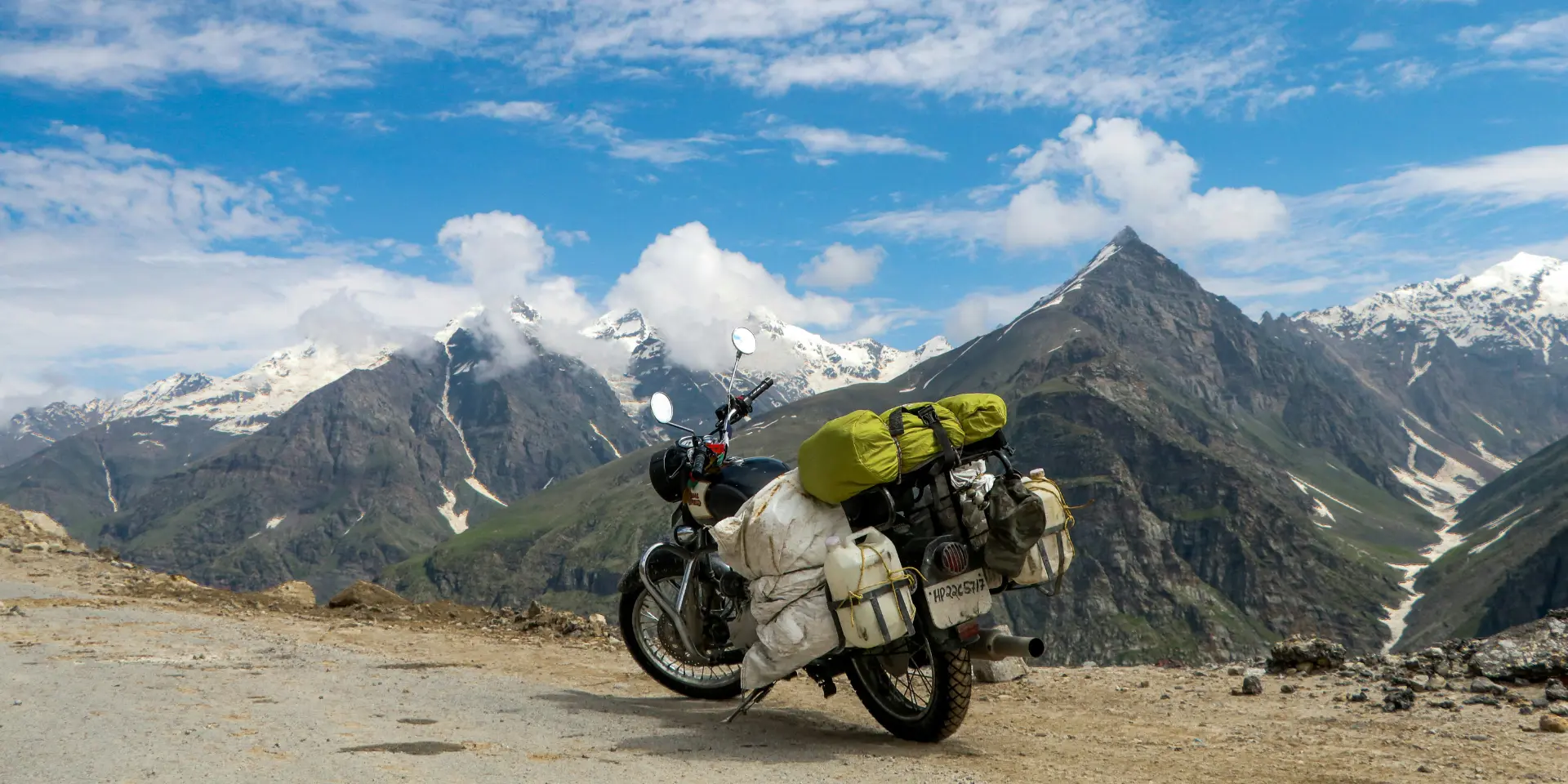
Trekking in Zanskar Valley: Zanskar Valley, located in the heart of the Indian Himalayas, offers trekkers an experience unlike any other. Treks in Zanskar provide an amazing experience, with stunning landscape, hidden towns, and the rare opportunity to cross the frozen Zanskar River. Among the several walking pathways available in the area, the Chadar Trek stands out as one of the most iconic and thrilling trekking experiences in the world.
River Rafting in Zanskar Valley: River rafting in the Zanskar Valley is an amazing trip through breathtaking scenery. This region is known for its breathtaking natural beauty, with rough mountains and pure rivers that provide a great backdrop for both beginner and experienced rafters. The Zanskar River, with its demanding rapids and peaceful stretches, offers a unique opportunity to explore the vast environment while passing through magnificent gorges and attractive communities. The experience is further enhanced by the breathtaking views that surround the river, making it an unforgettable adventure for those seeking both adrenaline and tranquillity in one of India’s most Captivating places.
Yak Safari in the Zanskar Valley: It is a great memory for both adventurers and environment lovers. This amazing trip allows guests to go through the valley’s breathtaking sceneries while riding on tough and durable yaks that are well-suited to the difficult terrain and high elevations. Travellers on this safari are treated to stunning vistas of snow-capped mountains, pure rivers, and lush green meadows, all of which add to the valley’s magical charm. The trip allows you to connect with the local culture and traditions of the Zanskar region also. Overall, the Yak Safari in Zanskar Valley is an unforgettable journey that combines the thrill of discovery with the tranquility of nature.
Places to visit in Zanskar Valley
The Drang Drung Glacier: Located in Ladakh’s Zanskar Valley, is one of the region’s greatest natural features. This glacier, also known as the “Gateway to Zanskar,” is a popular destination for hikers, nature lovers, and photographers. Its wide expanse, challenging environment, and magnificent beauty make it a must-see for Zanskar Valley visitors.
Zanskar river: The Zanskar River is a tributary of the Indus River that flows through the remote Zanskar Valley in Ladakh, India. It is a vital component of local agriculture and rises from the Zanskar Range’s glaciers. Many hikers are drawn to the valley by its breathtaking beauty, especially for the Chadar Trek along the frozen river. The river has spiritual significance for the locals and is rich in cultural heritage, including Buddhist monasteries. Zanskar offers a unique perspective on the Ladakhi way of life despite its isolated location.
Karsha Monastery: One of the most important Buddhist institutions in the region is Karsha Monastery, which is located in Ladakh’s Zanskar Valley. This monastery offers breathtaking views of the surrounding mountain ranges and the Zanskar River from its 3,600-meter elevation. Known for its bright thangka artworks, sacred objects of worship and traditional Tibetan architectural style, it is a vital part of the local religious and cultural environment and hosts a number of festivals and spiritual events. In addition to providing a deep spiritual experience, a trip to Karsha Monastery allows one to take in the serene beauty of the valley.
Phugtal Monastery: Located in Ladakh’s Zanskar Valley, Phugtal Monastery is a beautiful Buddhist shrine that was founded in the 12th century by Jetsun Karpo. This monastery, which is part of the Drukpa Kagyu lineage of Tibetan Buddhism, is situated at an elevation of 3,800 meters inside a cave on a cliff. It is well-known for its unique construction, which blends in perfectly with the surrounding rock. It has prayer halls, meditation areas, and priceless Thangka paintings. It functions as a center for meditation and the spread of Buddhist teachings and is a major pilgrimage site. The monastery can only be reached on foot, and the hike there offers hikers a difficult yet beautiful experience through the remote areas of Zanskar. The monastery’s peaceful environment and deep spiritual significance make it a must-visit location for tourists seeking both adventure and reflection.
June through September are the best months to visit Zanskar Valley because of the excellent weather, with temperatures ranging from 15°C to 30°C. Trekking and sightseeing are ideal in this environment. Roads are accessible throughout these months, making it simpler to engage in necessary activities like trekking and local celebrations. In contrast, summer offers a comfortable setting for taking in the valley’s natural beauty and cultural events, while winter brings extreme cold that makes travel more difficult.
For the most current weather updates, consider checking reliable sources such as AccuWeather and the Weather Channel.
Zanskar Valley is a wonderful location renowned for its vibrant Tibetan Buddhist heritage, ancient monasteries, and beautiful scenery. With challenging hikes like the Chadar Trek and gorgeous summer hiking paths, it is especially well-suited for adventure seekers. The best time to go is from June to September, when the weather is nice and the roads are accessible. Its remote location provides a peaceful getaway, and the valley is home to monasteries like Karsha and Phugtal, which are calm spiritual havens. For those seeking adventure, cultural experiences, and tranquility in one remarkable place, Zanskar is the perfect option.
FAQ’s about Zanskar Valley

1. Where is Zanskar Valley located?
Zanskar Valley is in Jammu and Kashmir, India’s northernmost state. It is located southeast of the larger Leh region, situated between the Great Himalayas and the Zanskar mountain range.
2. How far is Zanskar Valley from Leh, Ladakh?
The road distance from Leh (Ladakh’s capital) to Zanskar Valley ranges between 240 – 270 kilometers, depending on the route used.
3. Which is the best time to visit Zanskar Valley?
The best time to visit Zanskar Valley is in the summer, from June to September, when the weather is nice and favorable to trekking and exploration. The winter months (October to February) are harsh, with heavy snowfall and freezing temperatures making it impossible to access.
4. What is the Chadar Trek?
The Chadar trek is a popular winter trip in Zanskar Valley that takes trekkers along the frozen Zanskar River, which forms a “chadar” (ice sheet). The trek takes place during the severe winter months, typically in January and February, and provides a unique and hard experience.
5. Is Zanskar Valley safe for tourists?
Zanskar is generally safe for travellers, however because of its isolated position and difficult terrain, it is best to travel with an experienced guide. The neighbourhood has limited infrastructure, but access to medical facilities is limited. It is also essential to adjust to the high altitude to avoid altitude sickness.
6. Are there any accommodations in Zanskar Valley?
Accommodation options in Zanskar are quite basic. Particularly in Padum, the main town, you can find homestays, guesthouses, and small hotels. It’s also typical to camp or stay in tents when trekking.
7. Does Zanskar Valley have coverage for mobile networks?
Zanskar Valley has minimal coverage for mobile networks. While Padum and other major communities might have coverage, isolated places typically have weak or nonexistent cell signals. Informing your loved ones ahead of time about your trip is a good idea, and if you plan to visit more remote locations, think about bringing a satellite phone.
8. What is Zanskar Valley’s elevation?
The average elevation of Zanskar Valley is approximately 3,300 meters above sea level. Towering peaks, some rising over 6,000 meters, encircle the area. Altitude sickness should be avoided, and travellers should make sure they acclimatize appropriately.
9. Can I hire a guide for trekking in Zanskar?
Indeed, it is strongly advised to hire a guide when trekking in Zanskar, particularly if you intend to explore isolated areas like Phugtal Monastery or take on difficult climbs like the Chadar Trek. Local guides can help to secure your safety because they are familiar with the landscape and the weather. For trekking adventures in Zanskar, the majority of Leh-based trekking firms provide porters and guides.
10. Is Zanskar Valley a good destination for solo travellers?
Indeed, Zanskar Valley may be a fantastic place for solo travellers, particularly those looking for adventure, isolation, and a sense of connection with the natural world. But because of its distant position and difficult terrain, solo travellers should be ready and take the appropriate safety measures, like carrying a satellite phone, having an emergency plan, and, if needed, hiring a local guide.
11. Is Zanskar a good destination for spiritual retreats?
Indeed, Zanskar is a great place for spiritual retreats because it is a region that has been greatly affected by Tibetan Buddhism. Many monasteries and remote locations provide serene settings for self-reflection meditation, and studying Buddhist doctrine. Particularly during regional celebrations or religious events, visitors are welcome to participate in prayers, ceremonies, and instruction.
12. Can I travel to Zanskar Valley with children?
Yes, families with kids can enjoy a trip to Zanskar Valley, particularly if they go between May and September when it’s warmer outside. However, certain locations may be challenging to reach with little children because of uneven roads or the need for trekking. If you are traveling with kids, make sure they are comfortable and safe and that you are ready for changes in altitude.
For a curated experience, activities in offbeat destinations or trekking and camping in Leh,Ladakh, consider booking a tour with us.
Our Offbeat Ladakh Tour Package offers a comprehensive itinerary providing an immersive experience into the heart of Kashmir’s hidden beauty.
For more information or to book your adventure, visit www.wildfloc.com or contact us at care@wildfloc.com.