Women treks in Kashmir
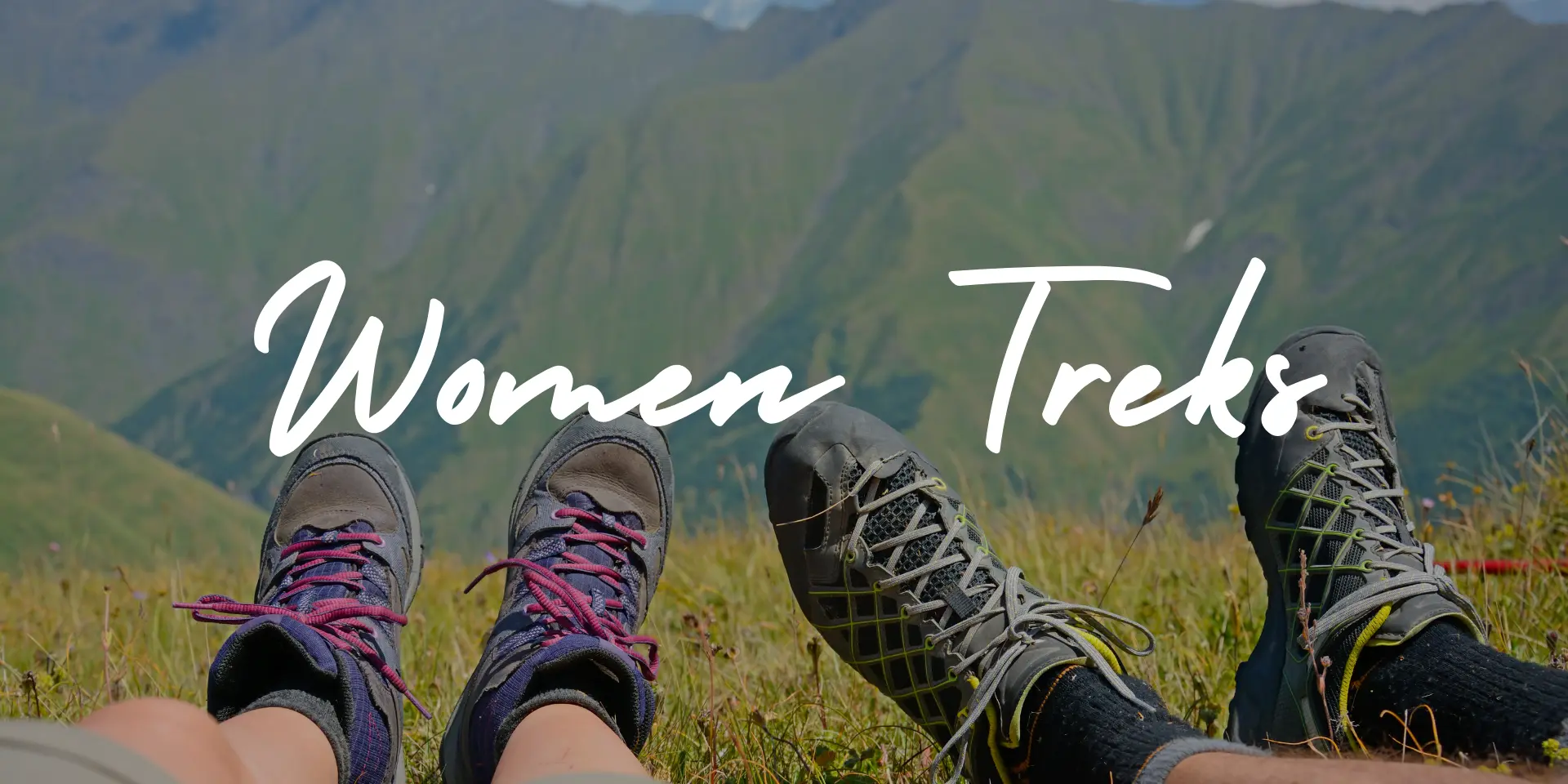
Embracing Diversity and Empowering Women in Outdoor Adventures
Trekking is a physical activity that involves lengthy, difficult journeys through steep or rugged terrain, and it is important for a variety of reasons. Trekking not only improves physical fitness and endurance, but it also builds a strong connection with nature, allowing people to enjoy the beauty and calm of the great outdoors. Furthermore, trekking enhances mental well-being by giving an escape from the worries of daily life and increasing mindfulness through immersing in natural surroundings. It also contributes significantly to cultural exchange because trekkers frequently interact with the people in the area, learning about their cultural practices and lifestyles, which improves mutual understanding and respect. Overall, trekking is more than just a leisure activity, it is a whole experience that encourages personal well-being, environmental awareness, and cultural understanding.
Trekking’s reputation as a largely male-oriented hobby is frequently highlighted in the discourse surrounding it. According to this viewpoint, societal norms and cultural expectations have historically positioned trekking as a male-dominated activity, impacting participation rates and female trekkers’ visibility. Such a story not only emphasizes the gender prejudices found in outdoor recreational activities, but it also raises concerns regarding women’s inclusion and accessibility in trekking situations. As the discourse progresses, it becomes critical to investigate the underlying causes of this mindset and fight for an equitable representation of all genders in the trekking community.
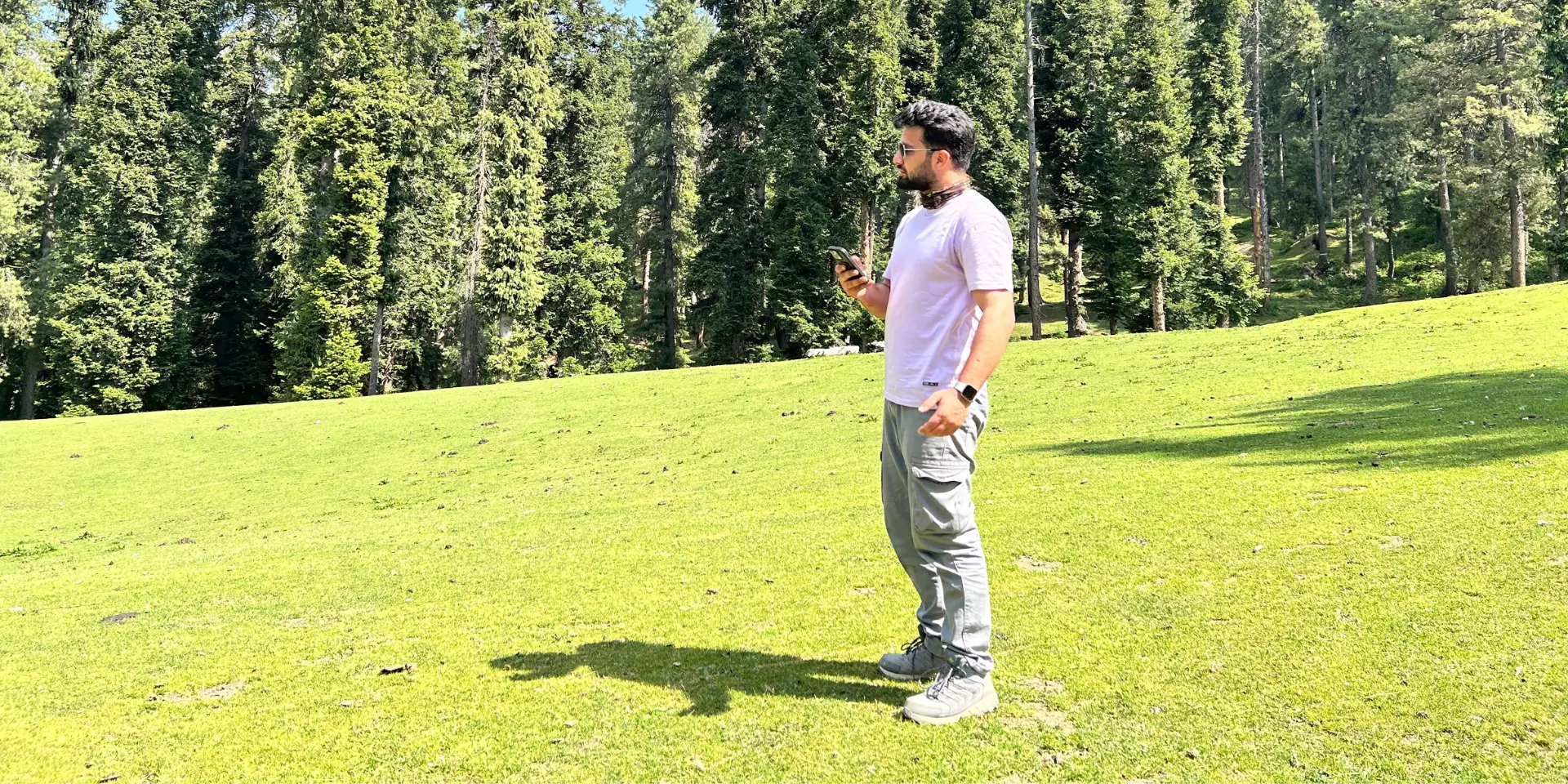
Analyzing the Reason Why Men Are More Likely to Go Trekking Than Women.
Men are often more likely to go trekking than women due to a combination of societal, cultural, and practical factors. From a young age, boys are encouraged to engage in adventurous outdoor activities, while girls are often steered toward more indoor or “safer” pursuits, reinforcing cultural norms that view trekking as a masculine activity. Gender stereotypes, which associate physical toughness with masculinity, can discourage women from trekking, as they may feel it’s not something they should do. Safety concerns also play a significant role as women, especially those trekking alone, may feel more vulnerable to harassment or assault in remote areas, a concern less commonly felt by men. The lack of female representation and role models in outdoor spaces further deters women, as they may struggle to see themselves in these environments. Additionally, social expectations often place the responsibility of caregiving on women, making it difficult for them to take time away for trekking. Economic barriers, such as the costs of gear and travel, can also be more challenging for women, particularly in societies where they may earn less than men or have fewer financial resources. Finally, men often have better access to trekking communities and support networks that encourage their participation, while women may feel excluded from these male-dominated spaces. These factors contribute to why men are more likely to go trekking, but as more inclusive opportunities arise, women are increasingly breaking down these barriers and making their mark in the world of trekking.
Women face many kinds of problems while trekking, which can greatly effect their entire experience and safety. One of the most significant challenges is a lack of suitable facilities and resources directed toward female trekkers, such as accessible toilets and hygiene supplies along major trekking routes. Furthermore, women frequently encounter societal and cultural barriers that discourage them from engaging in outdoor activities, especially in areas where traditional gender roles are well embedded. Concerns about safety, such as the danger of harassment or violence, may discourage women from traveling alone or in groups, leaving them feeling more vulnerable. Furthermore, physical barriers, such female differences in strength and endurance from male counterparts, might have an impact on their performance and pleasure of the walk. These characteristics combined form a complex terrain of barriers that women must overcome in order to fully take part in trekking activities.
Safety precautions for women participating in trekking activities are crucial, highlighting the importance of rigorous preparation and careful planning. To improve personal security while trekking, it is important to equip oneself with safety equipment and use advanced technologies. Furthermore, adopting trekking tactics in groups builds a sense of fellowship while also contributing to a supporting community, which may be crucial in providing a safe and pleasurable time in nature.
The conclusion emphasizes the unique hurdles that women face when trekking, highlighting the significance of understanding these challenges while also advocating for women’s involvement in this exciting activity. It is critical to recognize the different challenges that may discourage women from trekking, such as societal expectations, safety concerns, and limited access to resources. Despite these challenges, it is critical to encourage women to see trekking as a source of empowerment and personal growth. Trekking not only builds resilience and confidence, but it also promotes a stronger feeling of connection among women who have similar interests. By conquering these hurdles, women can encourage one another and opens the way for future generations to bravely enjoy the great outdoors.
There is an urgent need to raise awareness and encourage women’s engagement in outdoor activities, especially trekking. By providing efforts that encourage women to participate in trekking, we can create a more inclusive atmosphere that not only empowers them but also benefits the entire outdoor community. It is important to understand the special barriers that women experience in this domain and to push for resources, training, and opportunities that enable their participation. Through coordinated efforts, we can encourage more women to embrace the transforming experience of trekking, enhancing an adventure and resilience culture that benefits everyone.
The Importance of Choosing Wildfloc for Safe and Inclusive Women’s Adventures:
Women ought to choose Wildfloc for trekking because it provides specialized, unique experiences that promote empowerment and support in a safe, inclusive environment. Wildfloc’s carefully guided trips assure safety and well-being while visiting less popular, pristine areas that promote self-discovery and personal growth. The organization frequently organizes all-women trekking groups, creating a supportive, community-driven environment in which members may push themselves, bond, and feel accomplished. Wildfloc also promotes sustainability, making it an encouraging option for ladies who value responsible travel and ecologically friendly approaches. Furthermore, the tours frequently include cultural, environmental, and mindfulness factors, providing an enjoyable adventure that extends beyond physical trekking.
For a curated experience, activities in trekking destinations or trekking and camping in Kashmir, consider connecting with us.
Our women-specific treks offer a comprehensive itinerary providing an immersive experience into the heart of Kashmir’s hidden mountains.
For more information or to book your adventure, visit www.wildfloc.com or contact us at care@wildfloc.com.