Things to do in Kashmir

Kashmir, often referred to as “Paradise on Earth,” offers a diverse array of experiences that cater to all types of travelers. From its breathtaking landscapes to its rich cultural heritage, here are over 20 must-do activities to immerse yourself in the beauty and culture of this enchanting region.
1. Downtown Tour
If you are a history lover and interested in understanding the rich culture and heritage of Kashmir, learning how the handicrafts are made, discovering what made the Kashmiri pashmina world-renowned and why it is so expensive, or are fascinated by the agricultural history of Kashmir, then this tour is just for you.

Exploring the historic heart of Srinagar through a Downtown Tour is a captivating experience and ranks high among the things to do in Kashmir. This journey immerses you in the rich tapestry of Kashmiri culture, architecture, and daily life.
Highlights of the Downtown Tour:
Jamia Masjid: This 14th-century mosque, located in the Nowhatta area, is renowned for its Indo-Saracenic architecture and tranquil ambiance. Its 378 wooden pillars and expansive courtyard offer a serene retreat from the bustling city.
Khanqah-e-Moula: Situated on the banks of the Jhelum River, this shrine is dedicated to Mir Syed Ali Hamdani, a Persian saint who played a pivotal role in spreading Islam in Kashmir. The wooden structure, adorned with intricate carvings and papier-mâché work, exemplifies traditional Kashmiri craftsmanship.
Shah-e-Hamdan Mosque: Also known as Khanqah-e-Moula, this mosque is one of the oldest Muslim shrines in Kashmir, reflecting the region’s deep-rooted spiritual heritage.
Badshah Tomb: This 15th-century mausoleum is the final resting place of Sultan Zain-ul-Abidin’s mother. The Indo-Islamic architecture and the serene surroundings make it a noteworthy site.
Old City Markets: Wandering through the bustling bazaars like Maharaj Gunj offers a glimpse into the vibrant trade culture of Srinagar. Here, you can find traditional handicrafts, spices, and dry fruits.
Booking Your Downtown Tour:
To ensure an enriching experience, consider booking your tour with Wildfloc Adventures. Their knowledgeable guides provide deep insights into the history and culture of Srinagar’s old city. For more details and to reserve your spot, visit their Downtown Tour page.
Tips for an Enjoyable Experience:
Dress Modestly: When visiting religious sites, it’s respectful to wear modest clothing that covers your arms and legs.
Stay Hydrated: Carry a water bottle, especially during the summer months, to stay hydrated throughout the tour.
Engage Locally: Don’t hesitate to interact with local shopkeepers and artisans; they often share fascinating stories and insights about the area’s heritage.
2. Shikara Ride on Dal Lake
Experience the tranquility of Dal Lake in Srinagar by taking a shikara ride. These traditional wooden boats offer a serene way to explore the lake’s beauty. Notably, we has introduced a boat-hailing service on Dal Lake, allowing for convenient bookings. which you can book it here.

Tips to Enhance Your Shikara Experience and avoid overpricing:
Negotiate Fairly: While it’s common to negotiate the fare, be aware of the standard rates to avoid overpaying. Some visitors have reported being charged significantly higher than the official rates.
Choose Reputable Operators: Opt for Shikara rides through recognized platforms or your accommodation to ensure a trustworthy experience. With Wildfloc’s introduction of a boat-hailing service on Dal Lake, booking through their platform can offer added convenience and reliability.
Be Cautious of Onboard Vendors: During the ride, vendors may approach selling various goods. While some items might be genuine, it’s advisable to exercise discretion and avoid impulsive purchases. Check this link for details
Avoiding Shikara Ride Overpricing:
To ensure a fair and enjoyable Shikara experience, it’s essential to be aware of potential overpricing. The Jammu and Kashmir Tourism Department has established official rates for Shikara rides to prevent overcharging:
Dal and Nigeen Lakes:
- ₹800 per hour
- ₹400 for each additional hour.
- ₹2,700 for a full-day ride (6 hours).
Specific Routes:
- From Ghat 23, 24 & 25 to Charchinar (Sonalank): ₹550 (return trip).
- From Ghat 23, 24 & 25 to Hazratbal (Ruplank): ₹1,400 (return trip).
- From Nehru Park to Charchinar: ₹1,300 (return trip).
For a comprehensive list of rates, refer to the official notification by the Jammu and Kashmir Tourism Department.
3. Stay in a Houseboat
The second one on our list for you is staying in one of the iconic houseboats on Dal Lake. These floating accommodations provide a unique blend of comfort and tradition, offering panoramic views of the surrounding mountains and waters.

These floating abodes offer a unique blend of traditional Kashmiri architecture and modern amenities, allowing visitors to immerse themselves in the region’s rich heritage and is among another things to do in Kashmir.
Choosing the Right Houseboat:
Location: Houseboats are primarily anchored on Dal Lake and Nigeen Lake. While Dal Lake is more bustling with activity, Nigeen Lake offers a quieter ambiance. Depending on your preference for tranquility or vibrancy, select a location that suits your desired experience.
Amenities: Houseboats range from basic to luxurious. Ensure your chosen houseboat provides essential facilities such as clean bathrooms, heating (especially during colder months), and dining services. Some houseboats also offer Wi-Fi and guided tours. For instance, the Zaffar Group of Houseboats on Nigeen Lake is noted for its good services and delicious food.
Reviews: Before booking, read reviews on platforms like TripAdvisor or Booking.com to gauge the experiences of previous guests. This can provide insights into the quality of service and any potential issues.
Booking Tips:
Advance Reservations: To secure the best options, especially during peak tourist seasons, it’s advisable to book your houseboat stay in advance. Platforms like MakeMyTrip and Airbnb offer a variety of choices to suit different budgets and preferences.
Direct Communication: Once you’ve shortlisted potential houseboats, consider contacting the owners directly to inquire about specific amenities, meal plans, and any cultural programs they might offer. This direct approach can also sometimes lead to better rates or personalized services.
4. Explore Mughal Gardens
Visit the historic Mughal Gardens in Srinagar, such as Shalimar Bagh and Nishat Bagh. These gardens showcase Mughal horticulture with terraced lawns, cascading fountains, and vibrant flowerbeds.
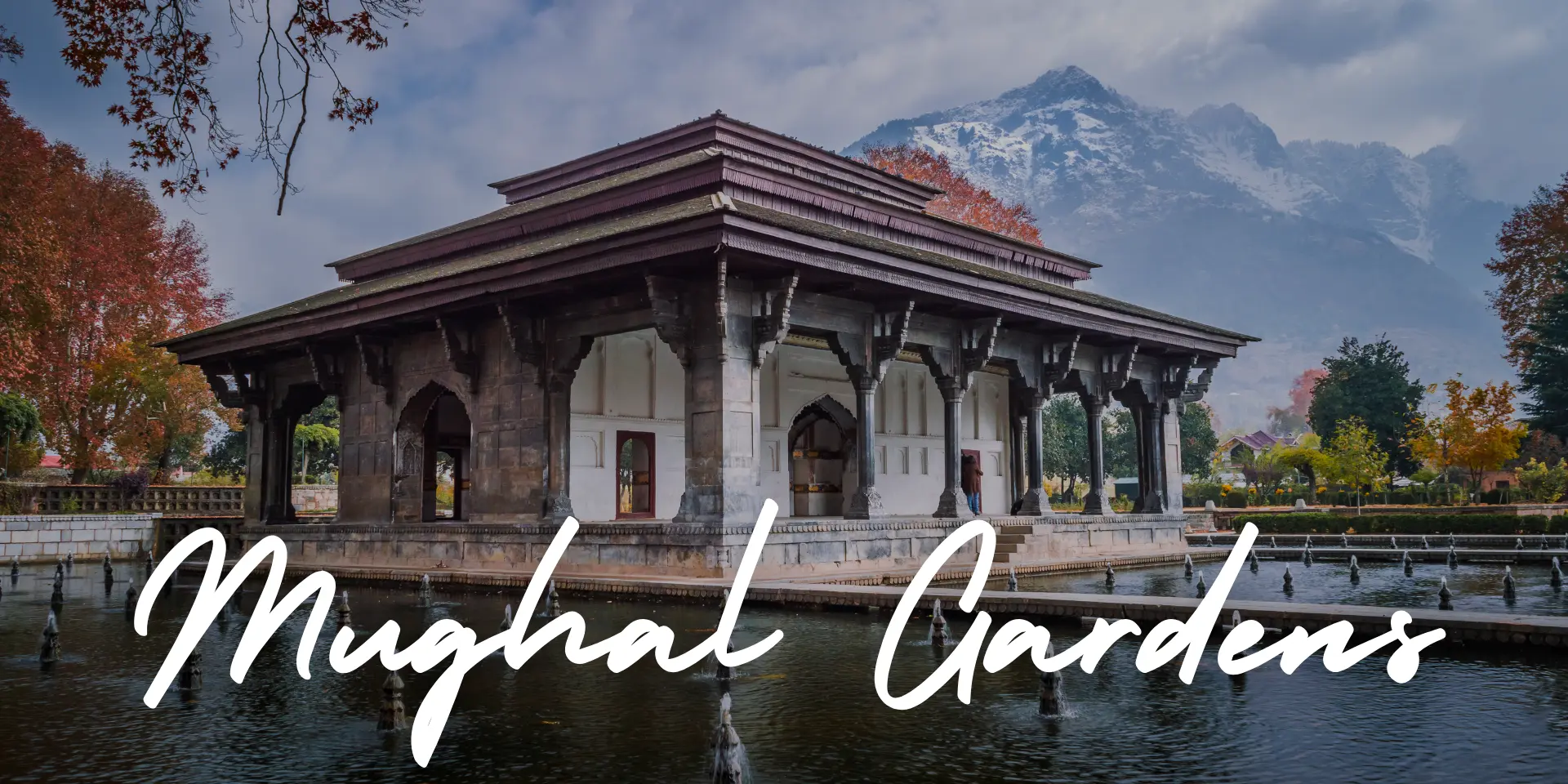
These gardens, established during the Mughal era between 1619 and 1650 CE, showcase the grandeur and architectural brilliance of that period and is a must when considering the top things to do in Kashmir.
Notable Mughal Gardens in Kashmir:
Shalimar Bagh: Commissioned by Emperor Jahangir for his wife Nur Jahan, this garden exemplifies Mughal horticultural prowess. Its layout features terraces, flowing water channels, and vibrant flowerbeds, all set against the backdrop of the Dal Lake.
Nishat Bagh: Known as the “Garden of Joy,” Nishat Bagh offers a series of ascending terraces adorned with fountains and lush greenery, providing panoramic views of the surrounding landscape.
Chashme Shahi: This smaller garden is famed for its natural spring, believed to have medicinal properties. Its intimate setting and well-maintained lawns make it a popular spot for visitors.
Verinag Garden: Located at the source of the Jhelum River, Verinag Garden is renowned for its octagonal spring and the surrounding arcade, reflecting Persian architectural influences. The Jhelum River also originates from Verinag spring which is located at the base of the Pir Panjal Range in Jammu and Kashmir.
Tips to Enhance Your Visit:
Optimal Timing: The gardens are most captivating during the spring and summer months when flowers are in full bloom. Early mornings or late afternoons offer pleasant weather and fewer crowds.
Guided Tours: Engaging a knowledgeable guide can provide deeper insights into the historical significance and architectural nuances of each garden.
Be Aware of Potential Scams:
While the Mughal Gardens are generally safe for tourists, it’s prudent to be cautious of potential scams:
Unauthorized Entry Fees: Some individuals may attempt to charge unauthorized entry fees. Always purchase tickets from official counters and retain them for the duration of your visit.
Impostor Guides: Unlicensed guides might offer their services at the entrance, providing inaccurate information. It’s advisable to hire guides through recognized agencies or seek recommendations from your accommodation.
5. Visit the Tulip Garden
Indira Gandhi Memorial Tulip Garden in Srinagar is Asia’s largest tulip garden. Visiting during the Tulip Festival in spring offers a vibrant display of colors and a delightful experience.
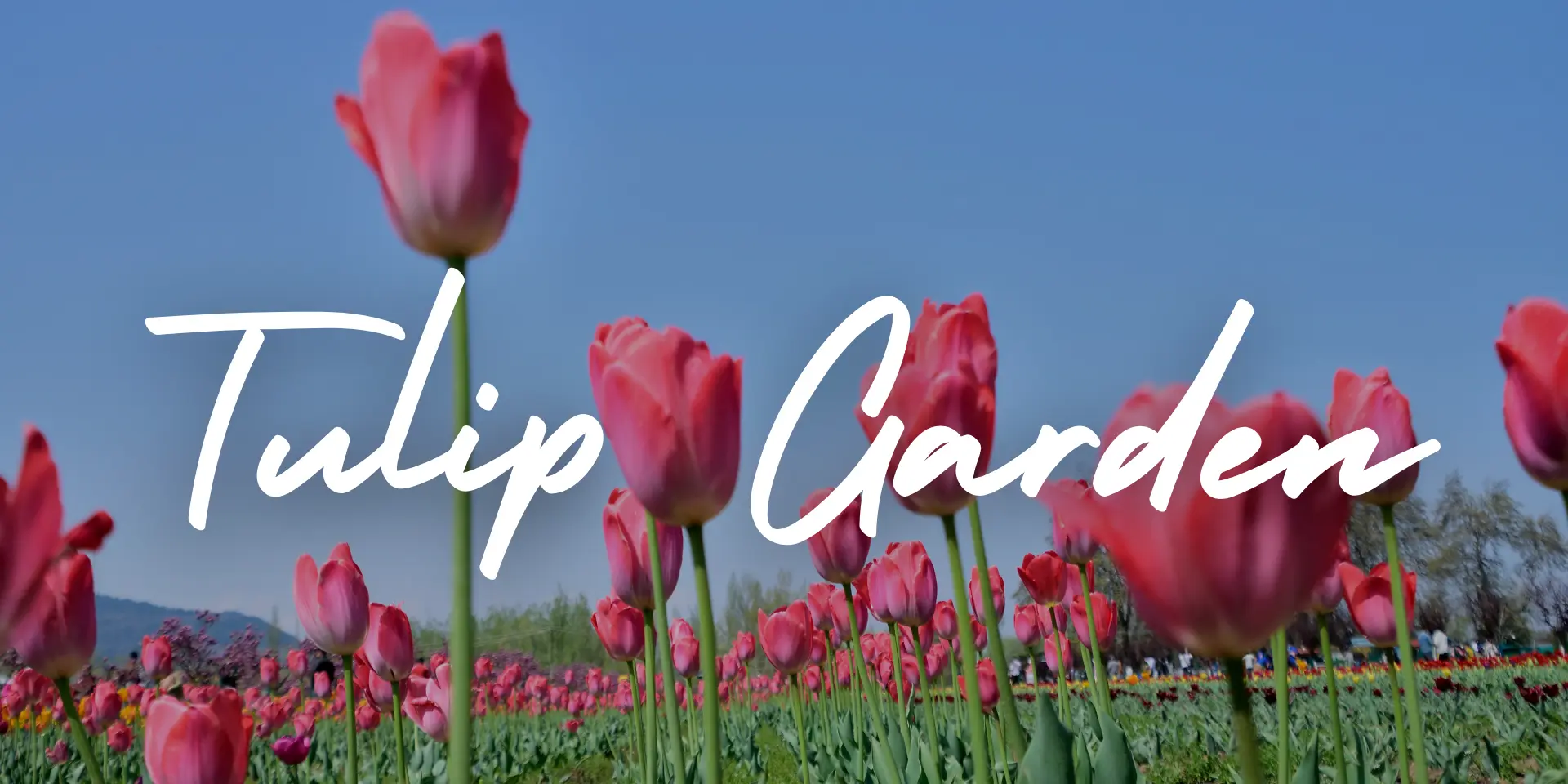
Visiting the Indira Gandhi Memorial Tulip Garden is a highlight among the many things to do in Kashmir. Situated in Srinagar, this garden is renowned for its breathtaking display of tulips and holds the distinction of being Asia’s largest tulip garden.
Overview of the Tulip Garden:
Location: Nestled at the foothills of the Zabarwan Range, the garden offers a panoramic view of the iconic Dal Lake, enhancing its scenic beauty.
History: Established in 2007, the garden was developed to promote floriculture and boost tourism in the Kashmir Valley.
Floral Diversity: The garden boasts over 60 varieties of tulips, showcasing a vibrant spectrum of colors.
Optimal Visiting Time:
The tulip garden is typically open to the public during the spring season, with the peak bloom occurring from late March to early April. This period offers visitors the most captivating floral displays.
Tips for an Enjoyable Visit:
Early Arrival: To fully appreciate the garden’s beauty and avoid crowds, it’s advisable to visit during the early morning hours.
Photography: The garden’s layout and diverse tulip varieties provide excellent opportunities for photography enthusiasts.
Amenities: Facilities such as restrooms and refreshment stalls are available to enhance the visitor experience.
Be Aware of Potential Scams:
While the Indira Gandhi Memorial Tulip Garden is a well-regulated tourist attraction, it’s prudent to be cautious of potential scams:
Unauthorized Guides: Some individuals may pose as official guides and offer services at inflated prices. It’s recommended to hire guides through recognized agencies or seek assistance from official information counters within the garden premises.
Ticket Overpricing: Ensure that you purchase entry tickets from the official ticket counters to avoid overpricing. Retain your ticket throughout your visit, as officials may request it for verification.
6. Pashmina Factory Tour
The intrinsic details of a Kashmiri Pashmina are what make it the world’s most handcrafted fashion fabric, worn by some famous celebrities around the globe. The process and the magical hands that create this pashmina are what you’ll experience on this tour.

Pashmina Factory Tour is a must among the things to do in Kashmir. This immersive experience offers a unique insight into the meticulous craftsmanship behind the world-renowned Kashmiri Pashmina shawls.
What to Expect on the Pashmina Factory Tour:
Insight into the Weaving Process: Witness skilled artisans at work, weaving delicate Pashmina threads into exquisite shawls. This hands-on opportunity allows you to appreciate the time-honored techniques passed down through generations.
Dyeing and Finishing: Learn about the natural dyeing methods that give Pashmina shawls their vibrant hues. Observe the finishing touches that enhance the shawl’s texture and appearance.
Hands-On Experience: Engage directly with the weaving process, gaining a deeper understanding of the skill and patience required to create these luxurious items.
Booking Your Pashmina Factory Tour:
To ensure an authentic and enriching experience, consider booking your tour with Wildfloc Adventures. Our Pashmina Making Experience offers a comprehensive look into the art of Pashmina weaving, providing visitors with a memorable and educational journey.
Why Choose Wildfloc Adventures:
Authentic Experience: Wildfloc Adventures collaborates with local artisans to provide genuine insights into the traditional Pashmina-making process.
Support Local Communities: By participating in this tour, you contribute to the preservation of this ancient craft and support the livelihoods of local weavers.
Tips for an Enjoyable Tour:
Respect Local Customs: When visiting workshops, it’s courteous to ask for permission before taking photographs and to engage respectfully with artisans.
Purchase Authentic Pashmina: If you wish to buy a Pashmina shawl, ensure its authenticity by looking for the GI (Geographical Indication) tag, which certifies genuine Kashmiri Pashmina.
7. Experience Gulmarg’s Winter Sports
Gulmarg is India’s premier destination for winter sports. The Gulmarg Gondola, one of the highest in the world, takes visitors to the slopes of Mount Apharwat, where activities like skiing, snowboarding, and heli-skiing are popular.

Experiencing Gulmarg’s Winter Sports is another must things to do in Kashmir. Gulmarg, often referred to as the “Heartland of Winter Sports in India,” offers a plethora of activities set against the stunning backdrop of snow-clad mountains.
Popular Winter Sports in Gulmarg:
Skiing and Snowboarding: Gulmarg boasts some of the finest slopes suitable for both beginners and seasoned enthusiasts. The Gulmarg Ski Resort provides facilities and training for visitors eager to glide down the pristine snow.
Gondola Ride: The Gulmarg Gondola, one of the world’s highest cable cars, transports visitors to the Apharwat Peak, offering panoramic views and access to high-altitude skiing areas. The charges for Gondola tickes are as:
Phase 1 (Gulmarg to Kongdoori): ₹810 per person
Phase 2 (Kongdoori to Apharwat Peak): ₹1000 per person
Both Phases (Gulmarg to Apharwat Peak): ₹1,810 per person
You can book your Gondola tickets directly from Jammu and Kashmir cable car corporation website.
Sledding and Snowshoeing: For those seeking less intensive activities, sledding and snowshoeing provide delightful ways to explore the snowy landscapes.
Heliskiing in Gulmarg: Heliskiing allows adventurers to access untouched snow terrains via helicopter, offering an unparalleled skiing experience. Several packages are available to cater to different preferences:
Single Drop: Experience one drop at Sunshine Peak for ₹15,000 per person.
Half-Day Package: Enjoy five drops at Sunshine Peak for ₹60,000 per person.
Full-Day Package: Indulge in nine runs, with prices available upon inquiry.
ATV Rides in Gulmarg: All-Terrain Vehicle (ATV) rides provide an exciting way to explore Gulmarg’s diverse landscapes:
Gulmarg to Kongdori: A 13 km round trip through scenic forests, taking approximately 1.5 hours. Priced at ₹8,000 per person.
Gulmarg Long Ride: A 10 km ride covering attractions like Maharaja Palace, Strawberry Valley, and Jungle Ride. Duration is about 30–40 minutes, priced at ₹2,500 per person.
Gulmarg Short Ride: A 5 km ride exploring Mata ka Mandir, Children’s Park, and Golf Course. Takes around 15 minutes, priced at ₹1,500 per person.
Booking Your Winter Sports Adventure:
To ensure a seamless experience, consider booking your winter sports activities through Wildfloc Adventures. They offer comprehensive packages, including snow treks and winter tours, catering to various preferences and skill levels, ensuring a memorable adventure in Gulmarg.
Tips to Avoid Scams:
While Gulmarg is a haven for winter sports enthusiasts, it’s essential to be vigilant against potential scams:
Equipment Rental Overpricing: Some vendors may charge exorbitant rates for renting skiing or snowboarding gear. It’s advisable to compare prices from multiple shops and be wary of deals that seem too good to be true.
Unauthorized Guides: Engaging unlicensed guides can lead to subpar experiences or safety risks. Always verify the credentials of instructors or guides, preferably booking through reputable agencies.
Fake Tickets: Ensure that tickets for activities like the Gondola ride are purchased from official counters or authorized online platforms to avoid counterfeit tickets.
To read more about Gulmarg read this blog post.
8. Trekking and Camping Adventures
If you’re an adventurer who loves the mountains, then Kashmir is the perfect place to venture out for camping and trekking. With over 1500 alpine lakes, snow-capped peaks, and beautiful meadows, this is where our expertise comes into play. We offer women-specific treks, including both day and multi-day options. Kashmir is truly a must-include destination in your itinerary!
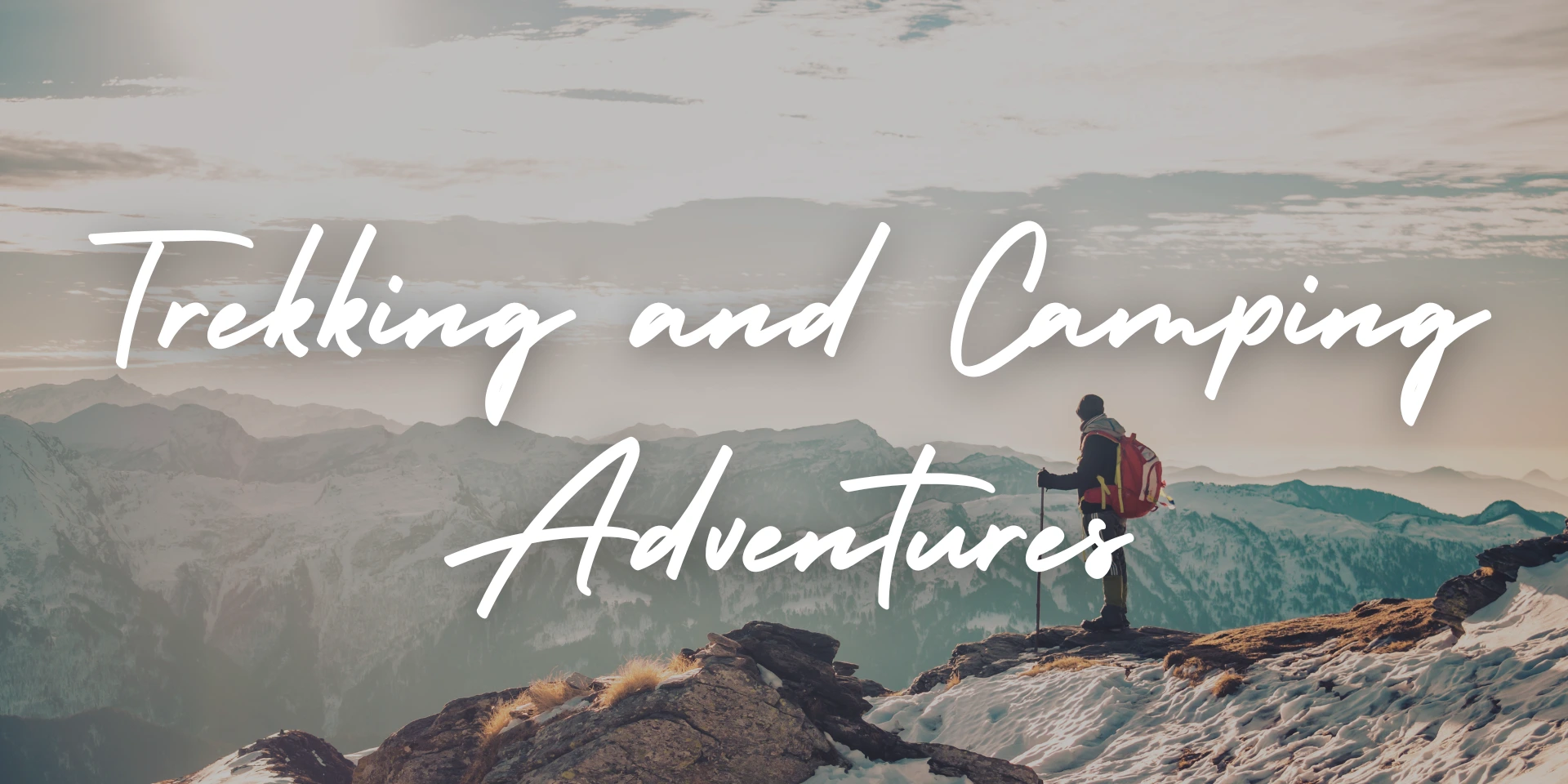
Kashmir offers a plethora of trekking and camping adventures that cater to both seasoned trekkers and nature enthusiasts. Exploring the serene landscapes, alpine lakes, and beautiful meadows of Kashmir is undoubtedly among the top and unpopular things to do in Kashmir.
Popular Treks in Kashmir:
Kashmir Great Lakes Trek: This iconic trek takes you through a series of pristine alpine lakes, including Vishansar, Krishansar, Gadsar, Satsar, Gangbal, and Nundkol. The journey offers panoramic views of snow-capped peaks, lush meadows, and diverse flora and fauna. The trek typically spans 8-9 days and is best undertaken between July and September. You can book this trek here.
Kausarnag Trek: Leading to the sacred Kausarnag Lake, this trek is known for its challenging terrain and breathtaking vistas. The lake holds significant religious importance and is surrounded by dense forests and alpine meadows. The trek usually takes 5-6 days and is best attempted from July to September. You can book this trek here.
Chuharnag Trek: This trek leads to the Chuharnag Lake which in Kashmiri means Four Lakes. Chuharnag Lake a high-altitude alpine lake situated at an elevation of 4,420 meters. The journey offers stunning views of the Pir Panjal mountain range and is less explored, providing a tranquil experience. The trek typically is a day trek and is best undertaken between July and September but the most beautiful part is if you camp here for a day or two. You can book this trek here.
Sheshnag Trek: A popular day trek, the Sheshnag Lake is situated at an altitude of 3,600 meters. The trek offers panoramic views of the surrounding mountains and is a favorite among both beginners and seasoned trekkers. The trek can be completed in a day and is best undertaken from July to September If you’re lucky enough and traveling between December and February, and if the weather permits, you may get the chance to see the lake frozen and even walk on it. Just check out this video! You can book this trek here.
Women-Only Treks:
For female travelers seeking a comfortable and secure trekking experience, several women-only treks are organized:
Offbeat Kashmir Women-Only Tour: This tour immerses participants in Kashmir’s rich culture, history, and natural wonders, ensuring a safe and enriching experience.
Women-Only Trek: Designed exclusively for women, this trek offers a perfect mix of adventure, relaxation, and cultural experiences and is safe for women travelers.
Renting Camping Equipment:
For those planning self-guided treks or camping adventures, renting camping equipment is a convenient option. Several local providers offer a range of gear, including tents, sleeping bags, and cooking equipment. It’s advisable to check the quality and condition of the equipment before renting.
Booking Your Trek:
To ensure a safe and memorable trekking experience, consider booking your treks through reputable agencies. Wildfloc Adventures offers a variety of trekking packages, including snow treks and women-only tours, tailored to different preferences and skill levels.
Tips for Trekking and Camping in Kashmir:
Permits: Some treks, especially those near the Line of Control, require special permits. Ensure you have the necessary permissions before joining these treks.
Guides: Hiring a local guide can enhance your experience, providing insights into the region’s culture, history, and natural beauty.
Safety: Always check weather conditions before setting out. Carry a first-aid kit, sufficient water, and high-energy snacks and dry fruits. Nut Kash, a local dry fruit vendor, offers the best trail mix to keep your energy up during your trek. Their mix of dry fruits are a perfect snack to fuel up your adventure!
Respect Local Culture: Kashmir has a rich cultural heritage. Engage respectfully with local communities and adhere to local customs and traditions.
9. Explore Pahalgam’s Scenic Beauty
Pahalgam, known for its lush meadows and the confluence of the Lidder River, is ideal for trekking, fishing, and experiencing local culture. It’s also the starting point for the annual Amarnath Yatra pilgrimage.

Pahalgam’s scenic beauty is a highlight and should be part of your itinerary in things to do in Kashmir. Nestled in the Anantnag district, Pahalgam offers a tranquil retreat with its lush valleys, sparkling rivers, and majestic mountains.
Must-Visit Attractions in Pahalgam:
Betaab Valley: Named after the Bollywood movie “Betaab,” this valley is renowned for its verdant meadows and crystal-clear streams. It’s a favored spot for picnics and photography.
Aru Valley: Approximately 12 kilometers from Pahalgam, Aru Valley serves as a base for various treks and offers panoramic views of the surrounding mountains.
Lidder River: Flowing through Pahalgam, the Lidder River is ideal for trout fishing and riverside strolls. Adventure enthusiasts can also indulge in white-water rafting during the summer months.
While Pahalgam is a haven for nature lovers, tourists should remain vigilant against certain scams:
Pony Ride Scams: Pony rides are a popular way to explore areas inaccessible by vehicles. However, some operators may overcharge or shorten the agreed-upon route. To avoid this, always negotiate and finalize the price and route beforehand. It’s advisable to seek recommendations from your hotel or local tourism office for reputable operators of your tour company from where you have booked your trip. If you book a package with Wildfloc Adventures, these activities will be included in your itinerary, so you won’t have to worry about potential scams.
Sledging Scams: During winter, sledging is a favored activity. Some sledgers might demand exorbitant fees post-ride, differing from the initially quoted price. Ensure you agree on a fixed price before the activity and clarify any additional charges.
Taxi Scams at Aru, Betaab, and Chandanwari (ABC) Valleys: Local taxi unions often monopolize transportation to these valleys, restricting outside vehicles. Tourists might face inflated fares or be compelled to hire specific taxis. To mitigate this, consider sharing rides with fellow travelers or using authorized taxi services.
Tips to Ensure a Safe Experience:
Research: Before engaging in any activity, research standard prices and services. Online reviews and travel forums can offer valuable insights.
Official Services: Utilize services recommended by official tourism boards or established agencies.
Stay Informed: Engage with fellow travelers to share experiences and gather information about potential scams.
To read more about Pahalgam read this blog post.
10. Visit Sonamarg
Sonamarg, meaning ‘Meadow of Gold,’ offers stunning views of snow-capped mountains and is a gateway to several trekking routes leading to high-altitude lakes.

Exploring Sonmarg’s scenic beauty is another and must things to do in Kashmir. Known as the “Meadow of Gold,” Sonmarg offers breathtaking landscapes, including lush meadows, towering glaciers, and serene lakes.
Top Attractions in Sonmarg:
Thajiwas Glacier: A mere 3 kilometers from Sonmarg, Thajiwas Glacier is a popular spot for trekking and pony rides, offering stunning views of snow-clad peaks.
Zoji La Pass: Connecting Kashmir to Ladakh, this high-altitude pass provides panoramic vistas of the Himalayan range and is a thrilling experience for adventure enthusiasts.
Vishansar Lake: A pristine alpine lake, Vishansar is a favorite among trekkers and nature lovers, known for its crystal-clear waters and surrounding meadows.
While Sonmarg is a paradise for travelers, it’s essential to be aware of certain scams to ensure a pleasant experience:
Pony Ride Scams at Thajiwas Glacier: Tourists often report being overcharged for pony rides to the glacier. Some operators may quote exorbitant prices or shorten the agreed-upon route. To avoid this, negotiate and finalize the price and route beforehand. It’s advisable to seek recommendations from your hotel or local tourism office for reputable operators.
Local Taxi Scams: Some local taxi operators may provide misleading information or overcharge for trips to nearby attractions. To prevent this, always agree on fares in advance and consider booking through authorized agencies.
Tips for a Safe Experience:
Research: Before engaging in any activity, research standard prices and services. Online reviews and travel forums can offer valuable insights.
Official Services: Utilize services recommended by official tourism boards or established agencies.
Stay Informed: Engage with fellow travelers to share experiences and gather information about potential scams.
To read more about Sonmarg read this blog post.
11. Discover Yusmarg
Yusmarg, a lesser-known destination, provides serene meadows and dense forests, making it perfect for nature walks and picnics and is one of the offbeat destination of Kashmir.
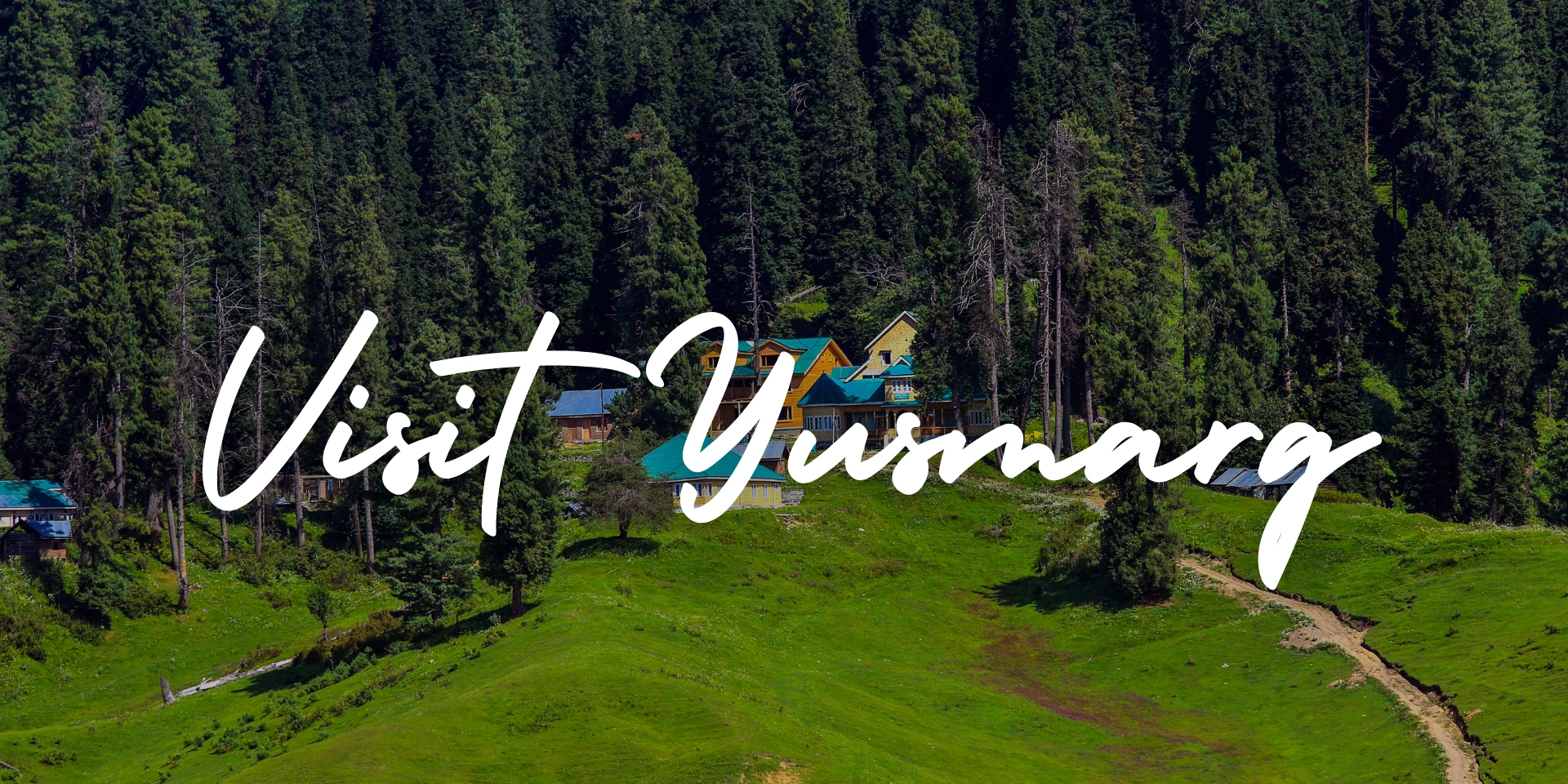
Exploring Yusmarg is a must when considering the top things to do in Kashmir. This hidden gem, nestled in the Pir Panjal range of the Budgam district, is approximately 47 km from Srinagar.
Yusmarg, translating to “Meadow of Jesus,” is believed to have been visited by Jesus Christ, adding a touch of mystique to its serene landscapes.
Top Attractions in Yusmarg:
Doodhganga River: A picturesque river named for its milky white waters, offering tranquil spots for picnics and relaxation.
Nilnag Lake: A serene blue-water lake surrounded by dense forests, ideal for short treks and nature walks.
Trekking Trails: Yusmarg serves as a base for several treks, including routes to Sang-e-Safed Valley and Mount Tatakuti, catering to both novice and experienced trekkers.
Activities to Enjoy:
Pony Rides: Explore the meadows and nearby attractions on horseback, a popular activity among visitors.
Fishing: The rivers and streams around Yusmarg are rich in trout, making it a favored spot for anglers.
Nature Walks: The lush meadows and forests provide perfect settings for leisurely walks and photography.
Travel Tips:
Best Time to Visit: The ideal time to explore Yusmarg is from May to September when the weather is pleasant, and the meadows are in full bloom.
Accommodation: Options are limited, it is advisable to book in advance.
Connectivity: Mobile network coverage is very less, plan accordingly.
If you want to read more about Yusmarg check out this blog post.
12. Aharbal Falls
This hidden gem is perfect for nature lovers seeking tranquility and adventure, making it a must-visit spot in the scenic landscape of Kashmir.

Exploring Aharbal Waterfall, often referred to as the “Niagara Falls of Kashmir,” is a must when considering things to do in Kashmir. Located approximately 75 kilometers from Srinagar in the Kulgam district, this hidden gem offers a serene escape from the usual tourist trails.
Highlights of Aharbal Waterfall:
Spectacular Cascade: The waterfall plunges about 25 meters into a gorge, creating a mesmerizing sight and a soothing ambiance.
Lush Surroundings: Surrounded by dense pine and fir forests, the area is ideal for nature walks, photography, and picnics.
Trekking Opportunities: Aharbal serves as a base for treks to the Kausar Nag Lake, offering adventure enthusiasts a chance to explore the Pir Panjal mountain range.
Travel Tips:
Best Time to Visit: The ideal period is from May to September when the weather is pleasant, and the paths are accessible.
Accessibility: Aharbal falls is accessible by road from Srinagar, making it a convenient day trip.
13. Saffron Cultivation
Pampore is renowned for its saffron fields. Due to climate change and urbanization, traditional saffron cultivation is facing challenges, leading to experiments with indoor farming.

Among the most chultural things to do in Kashmir, visiting the saffron fields in Pampore is an experience that offers a glimpse into the region’s rich agricultural heritage. Pampore, located just 15 kilometers from Srinagar, is famously known as the “Saffron Town of Kashmir” and is one of the few places in the world where the precious saffron crocus is cultivated.
Why Visit the Saffron Fields?
Unique Agricultural Experience: Walking through the vibrant saffron fields during the harvesting season (October to November) is a unique experience. The fields are carpeted in hues of purple, as the saffron flowers bloom, offering a picturesque and fragrant landscape.
Cultural Insight: Visiting these fields provides an opportunity to interact with local farmers, learn about the intricate process of saffron cultivation, and understand its significance in Kashmiri culture.
Photography Paradise: The contrast of the vivid saffron flowers against the backdrop of Kashmir’s pristine landscape makes it an ideal spot for photography enthusiasts.
Tips for Visiting Pampore’s Saffron Fields
Best Time to Visit: The peak season for visiting is from mid-October to early November, when the flowers are in full bloom.
Booking a Tour: To make the most of your visit, consider booking a guided tour through our website at Wildfloc. Our tours offer a comprehensive experience, including visits to local farms and insights into saffron processing.
Avoid Scams: Be cautious of unauthorized guides or overpriced saffron sold in the vicinity. Always verify the authenticity of the saffron and purchase from reputable vendors.
Exploring the saffron fields is a captivating addition to your itinerary and showcases the agricultural richness of the region. Make sure to book your experience for an authentic and memorable visit to one of Kashmir’s most treasured landscapes.
14. Experience Local Cuisine
Indulge in traditional Kashmiri dishes like Rogan Josh, Yakhni, and Dum Aloo. Don’t miss the Wazwan, a multi-course meal integral to Kashmiri culture.

Delving into the culinary delights of Kashmir is a journey through a rich tapestry of flavors and traditions. The region’s cuisine is a harmonious blend of spices, slow-cooked dishes, and unique ingredients, making it a must-experience for any food lover visiting Kashmir.
Must-Try Dishes
Rogan Josh: This iconic Kashmiri dish is a rich, aromatic lamb curry infused with a blend of traditional spices like cardamom and cinnamon, slow-cooked to perfection.
Yakhni: A delicate yogurt-based mutton curry, Yakhni is known for its subtle flavors, highlighted by saffron and dry mint, offering a soothing and flavorful experience.
Dum Aloo: Potatoes cooked in a spicy yogurt-based gravy, Dum Aloo is a popular vegetarian dish that showcases the unique use of spices in Kashmiri cooking.
Nadre Monj: These crispy lotus stem fritters are a beloved local snack, often served with chutneys, making them a perfect tea-time treat.
Rainbow Trout: Sourced from the pristine rivers of Kashmir, rainbow trout is grilled or fried to retain its delicate flavor, served with local herbs and spices.
The Wazwan Experience
A visit to Kashmir is incomplete without indulging in the Wazwan, a traditional multi-course meal that is a cornerstone of Kashmiri hospitality. Consisting of several meat-based dishes, including kebabs, curries, and rice, the Wazwan is a feast that showcases the culinary artistry of Kashmiri chefs, known as Wazas.
Where to Eat
- Ahdoos Hotel: One of the oldest and most renowned restaurants in Srinagar, Ahdoos Hotel offers an authentic Kashmiri dining experience. Known for its exquisite preparation of traditional dishes, it’s a favorite spot for both locals and tourists.
For those eager to immerse themselves in the flavors of Kashmir, booking a culinary experience is a great way to explore these delectable dishes. You can book your food tour through Wildfloc, ensuring you savor the best of Kashmir’s culinary offerings. Indulging in these dishes is not just about food; it’s a cultural experience that adds a flavorful dimension to your list of things to do in Kashmir.
15. Attend a Traditional Kashmiri Wedding
If the opportunity arises, attending a traditional Kashmiri wedding offers deep insights into local customs, music, and cuisine.

Experiencing a traditional Kashmiri wedding is a fascinating way to immerse yourself in the region’s rich cultural heritage. These weddings are vibrant, elaborate affairs, often spanning several days, and offer a window into the customs, music, and cuisine that define Kashmiri life.
Unique Traditions and Rituals
Kashmiri Customs: A traditional wedding in Kashmir is steeped in customs that have been passed down through generations. From the Mehendi Raat (henna night) to the Nikah (wedding ceremony) and the elaborate post-wedding rituals, each event is marked by specific traditions that reflect the rich cultural tapestry of the region.
Music and Dance: The sound of traditional Kashmiri music, featuring instruments like the Rabab and Tumbakhnari, fills the air during the celebrations. Traditional dances, such as the Rouf and Wanwun, add to the festive atmosphere, offering guests a chance to witness and participate in these joyful expressions of culture.
Culinary Delights
- The Wazwan: One of the highlights of attending a Kashmiri wedding is the grand feast known as the Wazwan. This multi-course meal, prepared by skilled chefs called Wazas, includes delicacies like Rista (meatballs in red gravy), Goshtaba (meatballs in yogurt gravy), and Seekh Kebabs. The meal is a true gastronomic delight, served in a traditional manner with guests sharing large platters.
A Unique Cultural Experience
Attending a Kashmiri wedding is more than just a social event; it’s a cultural immersion. It provides an opportunity to interact with locals, understand their traditions, and enjoy authentic Kashmiri hospitality. These weddings are known for their grandeur and the warm welcome extended to guests, making them a memorable experience for any visitor.
For those exploring the diverse array of things to do in Kashmir, attending a traditional wedding is a rare and enriching experience that adds a personal touch to your journey. While it might not be possible to plan this in advance, expressing interest through local contacts or travel guides, such as those available through Wildfloc, can enhance your chances of being invited to one of these spectacular celebrations.
16. Shop for Handicrafts
Explore local markets for Pashmina shawls, handcrafted jewelry, and traditional carpets. These items reflect the rich artisan heritage of Kashmir
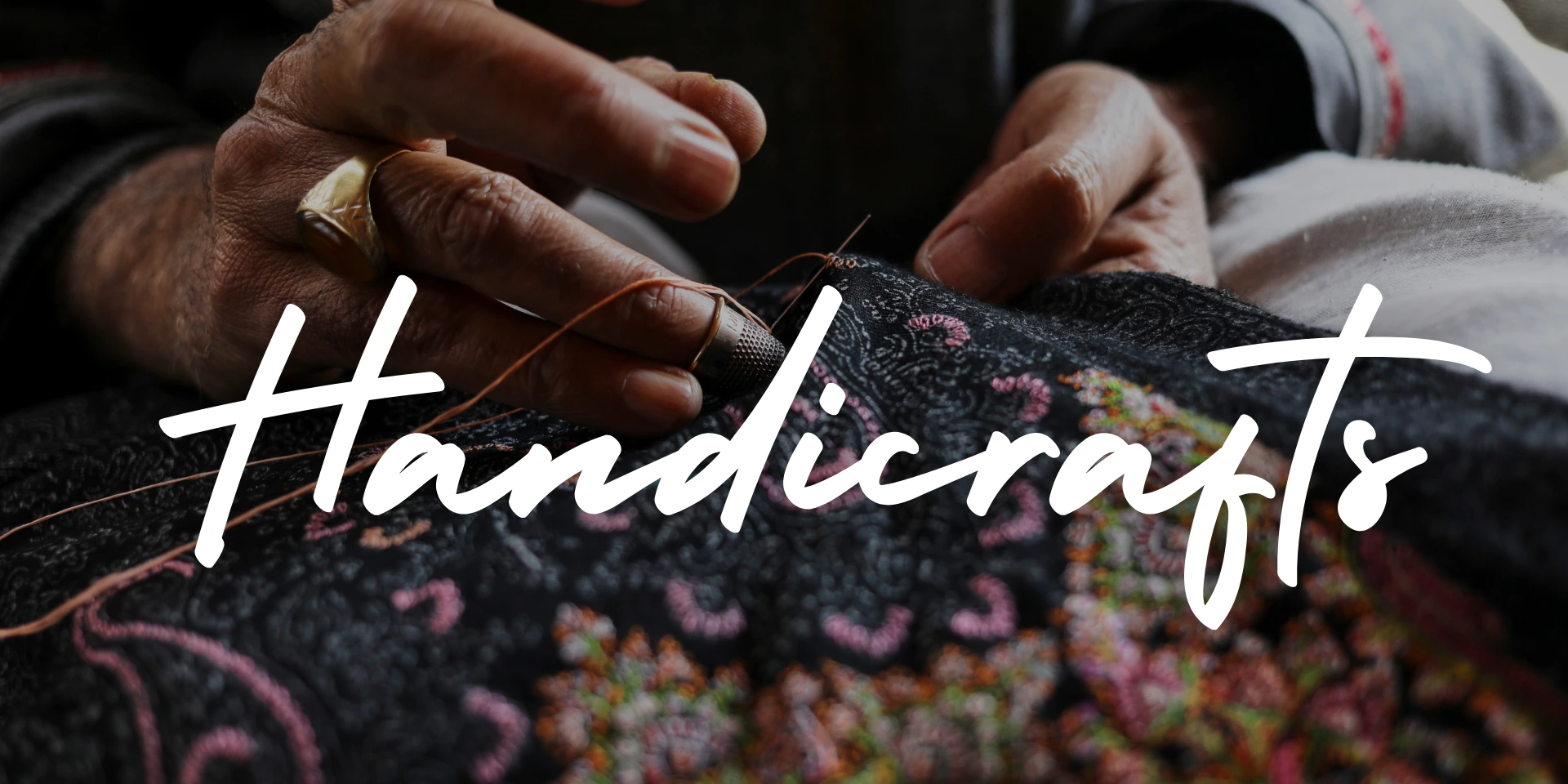
One of the most enriching experiences in Kashmir is exploring its vibrant markets, brimming with exquisite handicrafts that showcase the region’s rich artisan heritage. From luxurious Pashmina shawls to intricately woven carpets, shopping in Kashmir offers a unique blend of culture, craftsmanship, and tradition.
Iconic Kashmiri Handicrafts
Pashmina Shawls: Known for their unparalleled softness and warmth, Pashmina shawls are a must-buy when in Kashmir. Hand-spun and hand-woven from the fine wool of Pashmina goats, these shawls are a testament to the skill and dedication of Kashmiri artisans. Each piece is a work of art, often taking weeks or even months to create.
Handcrafted Jewelry: Kashmiri jewelry, with its intricate designs and use of traditional motifs, is another highlight. Whether it’s silver trinkets, antique earrings, or beaded necklaces, these items are perfect souvenirs that reflect the region’s artistic flair.
Traditional Carpets: Kashmiri carpets are renowned worldwide for their quality and craftsmanship. These hand-knotted rugs come in various designs and sizes, featuring patterns inspired by Persian and Mughal art. Investing in a Kashmiri carpet is not just purchasing a home decor item but owning a piece of art.
Paper Mâché Items: The vibrant, hand-painted paper mâché items such as boxes, vases, and decorative pieces are a delightful addition to any home. This traditional art form involves layers of paper pulp molded and painted with intricate designs, making each piece unique.
Where to Shop
Local Markets: Srinagar’s bustling markets like Lal Chowk, Polo View Market, and the Residency Road area are treasure troves for these handicrafts. Exploring these markets offers not only great finds but also a glimpse into the daily life of Kashmiris.
Government Emporiums: For those looking to ensure authenticity, government emporiums such as J&K Handicrafts offer genuine products with fixed pricing, safeguarding against overpricing and counterfeit items.
Shopping for handicrafts is more than just a retail experience; it’s a journey into Kashmir’s rich cultural and artistic heritage. Each item tells a story of the region’s history and the meticulous efforts of its artisans. When planning your list of things to do in Kashmir, make sure to set aside time to explore these local crafts.
17. Bird Watching at Hokersar Wetland
Hokersar Wetland is a haven for bird watchers, especially during the migratory season when numerous species visit the area

For nature enthusiasts and bird watchers, Hokersar Wetland is a paradise nestled just outside Srinagar. Spanning over 13.75 square kilometers, this wetland is one of the most important in the region and offers a tranquil escape from the hustle and bustle of city life. It is especially captivating during the migratory season, when a diverse array of bird species flock to the area, making it a prime spot for bird watching. Adding this serene experience to your list of things to do in Kashmir is a must for any wildlife enthusiast.
A Sanctuary for Migratory Birds
Hokersar Wetland serves as a winter home to numerous migratory birds from Siberia, Central Asia, and Northern Europe. As the temperatures drop in their native habitats, these birds find refuge in the mild climate of Kashmir. The wetland transforms into a vibrant mosaic of colors and sounds with the arrival of species like shovellers, common teal, gadwall, cattle egret, and the stunning greylag goose. It is estimated that Hokersar hosts over 500,000 migratory birds annually, making it a significant site for ornithologists and bird lovers alike.
Best Time to Visit
The ideal time to visit Hokersar Wetland for bird watching is from October to March, during the migratory season. Early mornings and late afternoons are the best times to witness the birds in their natural habitat, as they are most active during these periods. The soft light during these hours also provides excellent conditions for photography, allowing visitors to capture the beauty of these feathered visitors against the scenic backdrop of the wetland.
Tips for Bird Watching at Hokersar
Bring Binoculars: A good pair of binoculars can significantly enhance your bird-watching experience, allowing you to observe the birds closely without disturbing them.
Dress Comfortably: The terrain can be muddy, especially during the wet season, so wear comfortable and sturdy shoes. Dressing in layers is advisable due to the fluctuating temperatures.
Hire a Local Guide: For those new to bird watching or the region, hiring a local guide can be immensely beneficial. Guides can provide insights into the best viewing spots and help identify various species.
Conservation Efforts
Hokersar Wetland is not just a bird-watching spot but also a vital ecological zone that supports biodiversity. The Jammu and Kashmir government has been working on conservation efforts to preserve this unique habitat. Visitors are encouraged to respect the natural environment, avoid littering, and adhere to any guidelines provided by local authorities to ensure the wetland’s health and sustainability for future generations.
18. Visit to Dachigam National Park
Dachigam National Park was established in 1910 as a hunting reserve by Maharaja Hari Singh of Kashmir. It was later designated as a national park in 1981. The name “Dachigam” is derived from two Kashmiri words: “Dach,” meaning ten, and “gam,” meaning village, indicating that the total 141 sq km area of Dachigam was formed from ten villages.
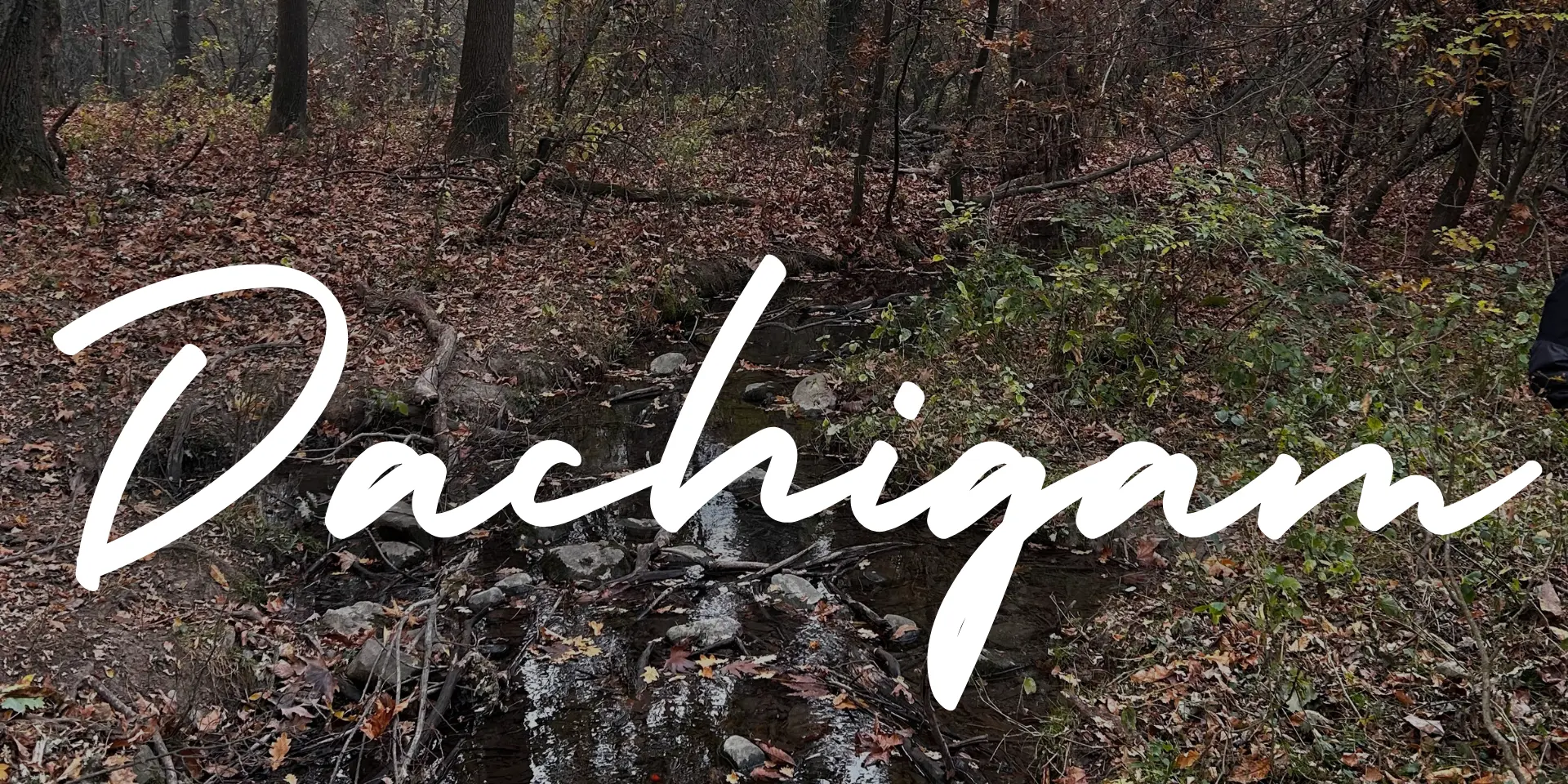
Exploring Dachigam National Park offers a unique opportunity to witness the rich biodiversity and stunning landscapes of the Kashmir Valley. Situated approximately 22 kilometers from Srinagar, this park spans 141 square kilometers and is renowned for its diverse flora and fauna.
Incorporating a visit to Dachigam into your itinerary is a must when considering things to do in Kashmir.
Flora and Fauna
Dachigam National Park is home to the endangered Hangul, also known as the Kashmir stag, which is the only surviving species of red deer in India. The park’s varied altitude, ranging from 1,700 to 4,300 meters, supports a rich diversity of wildlife, including the Himalayan black bear, leopards, and numerous avian species.
The lush vegetation comprises alpine pastures, meadows, and coniferous forests, providing a picturesque setting for nature enthusiasts.
Visiting Information
Entry Fees: For Indian nationals, the entry fee is ₹25 per person, while foreign nationals are charged ₹50 per person. Students and teachers can avail discounted rates of ₹2 and ₹10, respectively. Additionally, a fee of ₹100 is applicable for still cameras and you can book your tickets here – JK Wildlife
Timings: The park is open daily from 10:00 AM to 5:00 PM. It’s advisable to start your visit early to maximize wildlife sightings.
Permits: Visitors are required to obtain permits, which can be arranged through the Jammu & Kashmir Wildlife Protection Department’s official website.
Guided Tours: Exploring the park on foot is mandatory, as vehicles are not permitted inside. Booking a local guide through Wildfloc Adventures is recommended to navigate the terrain and enhance your understanding of the park’s ecosystem.
Best Time to Visit
The optimal period to visit Dachigam National Park is from April to October, when the weather is pleasant, and wildlife is more active. During these months, the park’s flora is in full bloom, offering breathtaking vistas and ample opportunities for photography.
Conservation Efforts
Dachigam plays a crucial role in the conservation of the Hangul deer and other endangered species. Visitors are encouraged to respect the natural habitat, adhere to park guidelines, and avoid disturbing the wildlife to support ongoing conservation initiatives.
Incorporating a visit to Dachigam National Park into your list of things to do in Kashmir promises an enriching experience, blending adventure with the serene beauty of nature.
19. Rafting in Kashmir
Rafting in Kashmir is a thrilling adventure that combines the rush of navigating through the region’s glacial rivers with the breathtaking beauty of its natural surroundings.Rafting in Kashmir can be enjoyed at Lidder in Pahalgam, Sindh in Sonamarg, and Zanskar near Kargil these rivers offer a range of rapids suitable for both beginners and seasoned rafters.

Engaging in river rafting is an exhilarating way to experience the natural beauty and adventure opportunities in Kashmir. The region’s rivers, fed by glacial melts, offer varying levels of rapids suitable for both novices and seasoned rafters.
Key Rafting Destinations:
Pahalgam: The Lidder River in Pahalgam is renowned for its rafting opportunities, featuring Grade I to III rapids. The lush greenery and rocky terrain form an excellent spot for river rafting. The river offers numerous turns with challenging highs and lows, making it ideal for adventure enthusiasts.
Sonamarg: The Sindh River in Sonamarg provides thrilling rafting experiences with its fast flow and white water characteristics. The rocky surface and rapid turns create an adventure like no other, making it a popular spot for rafters seeking a challenge.
Kargil: The Zanskar River near Kargil offers rafting experiences comparable to the renowned Colorado River in the USA. Rafters can enjoy the breathtaking scenery, including monasteries, snow-clad mountain peaks, and deep gorges, making it a unique rafting destination.
Best Time for Rafting:
The optimal season for river rafting in Kashmir is from April to September, when the water levels are suitable, and the weather is favorable. However, specific rivers may have different peak seasons; for instance, the Lidder River in Pahalgam is best experienced from April to August.
Safety Tips:
Always wear a life jacket and appropriate safety gear.
Listen carefully to the instructions provided by your guide.
Ensure you are in good health and inform your guide of any medical conditions.
Stay hydrated and avoid heavy meals before rafting.
For more information on river rafting in Kashmir, you can visit Wildfloc Adventures. Incorporating river rafting into your list of things to do in Kashmir promises an unforgettable adventure amidst the region’s stunning natural landscapes.
20. Discover the untouched beauty of Gurez Valley
Gurez Valley, often referred to as the “Crown of Kashmir,” is a secluded paradise nestled in the northernmost region of Jammu and Kashmir. Located approximately 123 kilometers from Srinagar and 86 kilometers from Bandipora this offbeat destination remains largely untouched by mass tourism, offering a serene retreat for those seeking tranquility and natural beauty in its pristine form

Nestled in the northernmost region of Jammu and Kashmir, Gurez Valley is an offbeat serene and picturesque destination that offers a unique blend of natural beauty and cultural richness. Located approximately 123 kilometers from Srinagar and 86 kilometers from Bandipora, Gurez Valley is situated at an elevation of around 2,400 meters above sea level, surrounded by snow-capped mountains and lush green meadows.
Geography and Accessibility
Gurez Valley is accessible via the Bandipora–Gurez Road, which connects it to the rest of Jammu and Kashmir. Due to heavy snowfall during the winter months, the valley remains cut off for about six months of the year, making the summer months the ideal time to visit.
Attractions and Activities
Dawar Township: The central township of Gurez, Dawar, serves as the base for exploring the valley. Visitors can experience the local culture, interact with the indigenous Dard-Shina community, and explore the quaint villages that dot the landscape.
Kishanganga River: Flowing through the valley, the Kishanganga River offers opportunities for fishing and rafting, providing adventure enthusiasts with thrilling experiences amidst stunning natural surroundings.
Habba Khatoon Peak: Named after the famous Kashmiri poetess, this peak offers panoramic views of the valley and is a popular spot for trekkers seeking to immerse themselves in the region’s natural beauty.
Historical Sites: Gurez Valley is rich in history, with archaeological sites such as Kanzalwan and the ancient capital of the Dards, Dawar, offering insights into the region’s past.
Cultural Significance
The valley is predominantly inhabited by the Dard-Shina community, known for their unique language, customs, and traditions. Visitors have the opportunity to experience the rich cultural heritage of this indigenous group, including traditional music, dance, and cuisine.
Best Time to Visit
The ideal time to visit Gurez Valley is during the summer months, from May to September, when the weather is pleasant, and the valley is accessible. The winter months bring heavy snowfall, leading to road closures and making travel difficult.
Travel Tips
Permits: Due to its proximity to the Line of Control, for foreigners special permits are required to visit Gurez Valley. It is advisable to obtain these permits in advance through the local administration or authorized travel agencies.
Accommodation: Basic accommodation options are available in Dawar and other villages. For a more immersive experience, consider staying with local families to gain insight into the traditional lifestyle.
Connectivity: Mobile network coverage is limited in the valley. It is recommended to inform family and friends about your travel plans and expected return dates.
Gurez Valley remains one of Kashmir’s best-kept offbeat destination offering a tranquil retreat for those seeking to explore the untouched beauty and rich cultural tapestry of the region and you should made this part of your things to do in Kashmir. To read more about Gurez Valley read this blog post.
For a curated experience, activities or visiting offbeat destinations in Kashmir, consider booking a tour with us.
Our Offbeat Kashmir Tour Package offers a comprehensive itinerary providing an immersive experience into the heart of Kashmir’s hidden beauty.
For more information or to book your adventure, visit www.wildfloc.com or contact us at care@wildfloc.com.