Pathar Masjid

Tucked away on the serene banks of the Jhelum River in Srinagar lies a lesser-known but truly remarkable piece of Mughal history—Pathar Masjid. While most visitors are drawn to Kashmir’s gardens and wooden shrines, this stone-built mosque stands quietly, telling its own story of power, artistry, and time.
Built in the early 17th century, Pathar Masjid is not just a religious site—it’s a bold statement of Mughal elegance in a land known for timber architecture. Whether you’re a history enthusiast, architecture lover, or cultural explorer, this hidden gem in Srinagar deserves your attention.
What is Pathar Masjid?
Pathar Masjid, also called the Stone Mosque, was built in 1623 CE during the reign of Mughal Emperor Jehangir. It was commissioned by his wife, the legendary Empress Nur Jahan, a woman known for her sharp intellect, political influence, and deep love for architecture.
What makes this mosque so distinctive is its material and style. Unlike the wooden mosques commonly found in Kashmir, Pather Masjid is constructed entirely from locally quarried grey limestone—hence the name “pathar”, meaning stone in Urdu. This bold choice gives the mosque a stark, timeless appearance that sets it apart from anything else in the valley.
Architectural Highlights of Pathar Masjid
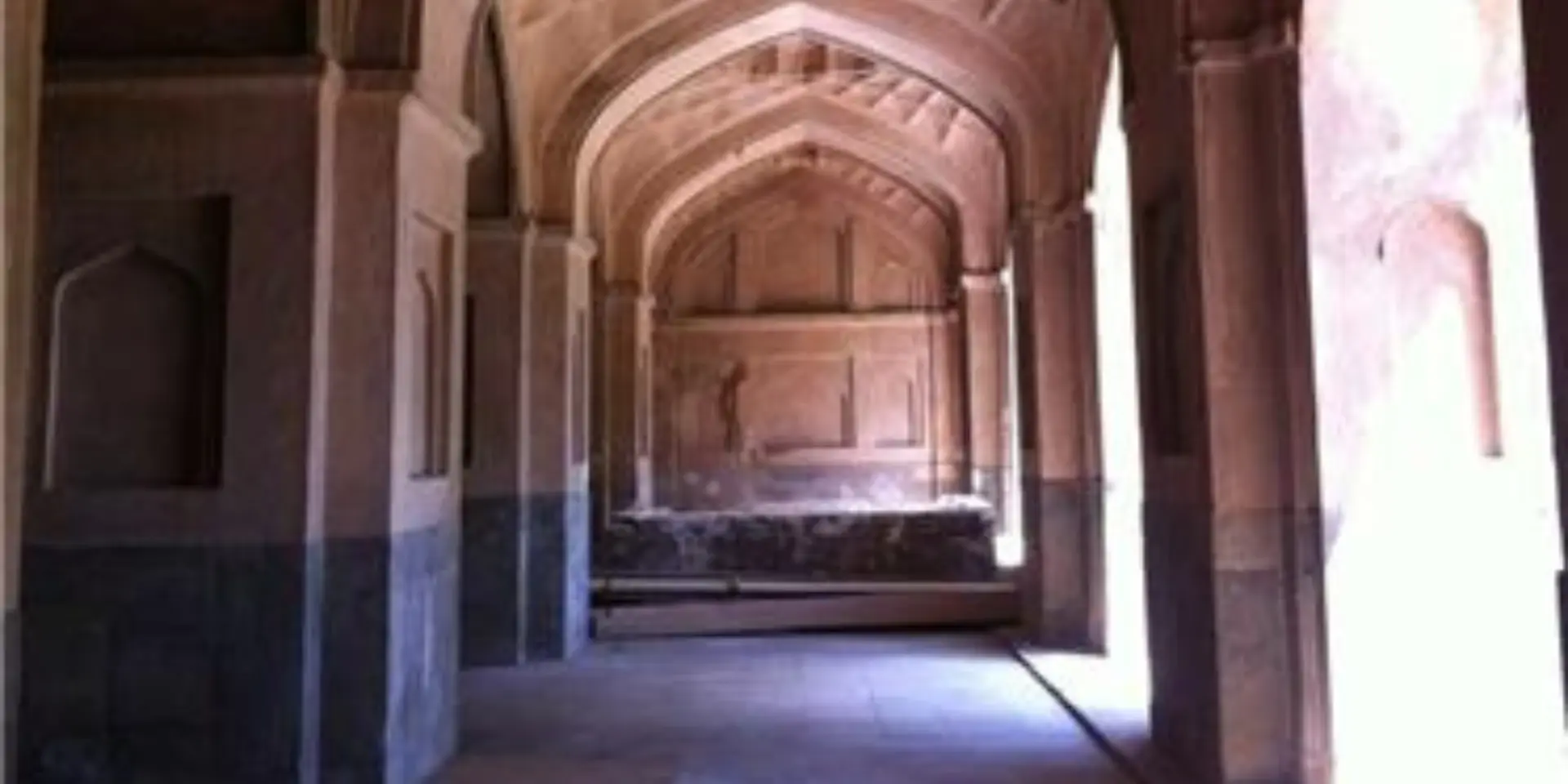
Pathar Masjid isn’t grand in scale, but its details speak volumes about Mughal-era craftsmanship and design sensibility.
Key Features:
- Stone Construction: Built entirely from limestone, the mosque’s robust structure has stood the test of time for over four centuries.
- Nine Arched Entrances: Facing the Jhelum River, the facade features nine symmetrical arches—each finely carved, drawing inspiration from Persian styles.
- Flat Roof Design: Most Mughal mosques boast large domes, but Pathar Masjid is unique for its flat roof supported by domed vaults—a rare design choice.
- Minimal Ornamentation: The mosque’s charm lies in its simplicity. It lacks the excessive decoration seen in other Mughal structures, focusing instead on form and proportion.
- Lotus Motifs: Subtle lotus-leaf carvings on the plinth reflect an interesting blend of local Indian influences within the Mughal framework.
The History Behind Pathar Masjid
Although Empress Nur Jahan built the mosque with grandeur in mind, Pathar Masjid was never fully embraced as a place of worship during its early years. Due to political tensions and religious divisions particularly Nur Jahan’s Shia faith in a Sunni-dominated region, some scholars declared it unfit for prayer.
As a result, the mosque sat mostly unused for centuries, even serving as a granary and military post during later Sikh and Dogra rule.
But in the 20th century, during a wave of religious and cultural revival, Pathar Masjid was reopened for Friday prayers, reclaiming its role in the spiritual life of Srinagar.
How to Reach Pathar Masjid
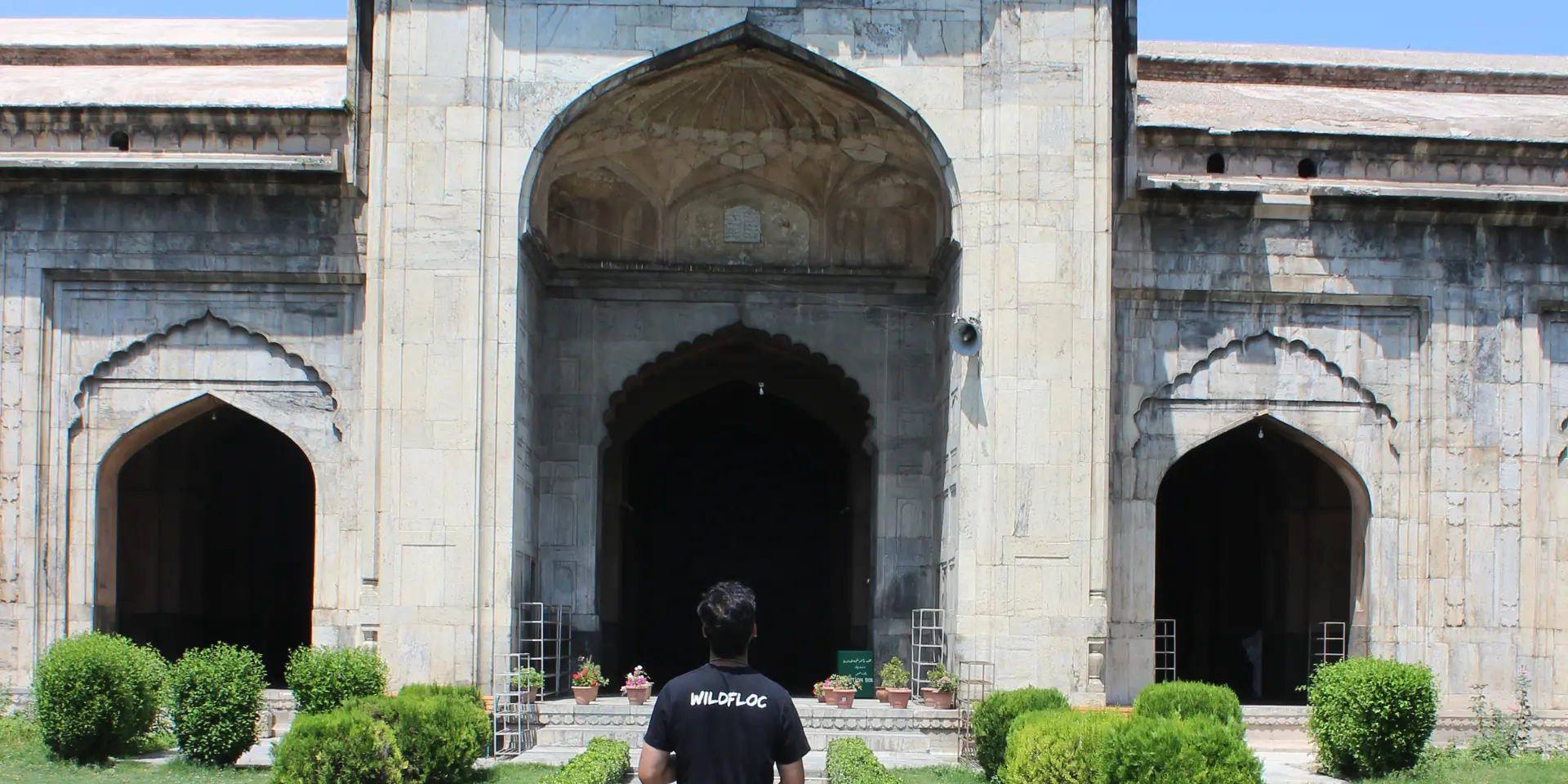
Pathar Masjid is located in the Nowhatta neighborhood of Old Srinagar, just across from the famous Jamia Masjid. This area is known for its rich heritage, traditional Kashmiri homes, and spiritual energy.
Getting There:
- By Road: Easily accessible via car or auto-rickshaw.
- By Foot: For a richer experience, take a walking tour through the old city.
- Nearby Landmarks: Jamia Masjid, Khanqah-e-Moula, Shah-e-Hamdan Shrine
Best Time to Visit
The best time to visit Pathar Masjid is between March and September, when Srinagar’s weather is pleasant, and the riverbanks come alive with greenery.
During spring and summer, the sunlight reflecting off the stone facade creates beautiful photo opportunities—perfect for travelers, bloggers, and architecture photographers.
Final Thoughts
Pathar Masjid is more than a beautiful stone mosque—it’s a reminder that history isn’t always found in the most obvious places. In a region where wood defines traditional architecture, this limestone structure stands strong and silent, speaking to a different chapter of Kashmir’s story.
It’s a mosque that wasn’t always used for prayer, built by an empress who defied norms, and shaped by centuries of change. Today, it quietly invites you to stop, look, and listen to the echoes of the past.
If you’re planning a trip to Srinagar, don’t miss this underrated Mughal marvel—it may just be the most memorable stop on your journey.
Looking to explore the soul of Kashmir beyond the tourist trails? Join Wildfloc’s Downtown Heritage Tours, Sufi Trails, and Craft Walks to experience Srinagar like never before.
Click here to explore Downtown Tour with Wildfloc