Kashmir Tour

Kashmir –“Paradise on Earth,” is simply my home. It’s more than just the snow-capped peaks or perfect lakes, it’s the melody of birds nesting in the chinar trees, the gentle hum of life in the streets of my city, and the silent strength of the mountains that surrounds the Kashmir Valley. This blog is more than just a Kashmir tour guide, it is an invitation. I want you to see Kashmir not as a tourist, but as someone who understands its culture, customs, and everyday beauty. From sipping Noon Chai on chilly mornings to hearing stories passed down through generations, Kashmir is more than just a destination, it’s an experience that hits the heart and touches the soul. Kashmir offers something for everyone. Flights to Srinagar Airport, scenic road trips from Jammu or Leh, and train connections via Jammu Tawi all make it easy to get here. The valley changes with each season- spring brings blooming tulips and almond flowers, summer provides ideal weather for shikara rides on Dal Lake, autumn makes the Chinar trees golden, and winter covers everything in a white, wonderful blanket. Each season is its own celebration. And what genuinely distinguishes Kashmir is its rich and harmonious culture.
In Kashmir, festivals are more than just rituals, they are communal celebrations of unity. Kashmiri Pandits celebrate Herath (Shivratri) with great devotion, whereas Muslim groups celebrate Eid-ul-Fitr and Eid-ul-Adha with prayers, feasts, and charity. Hindus light up their homes during Navratri, Diwali, and Janmashtami, while the Sikh community celebrates Gurpurab. What actually distinguishes Kashmir is its spirit of unity – neighbours of all religions participate in one another’s celebrations, exchange sweets, and share blessings. Mosques, temples, gurdwaras, and shrines stand side by side, with their prayers that rise into the same sky.
One of the most memorable aspects of visiting Kashmir is the unparalleled warmth of its people. Hospitality here is more than a custom, it is a heartfelt tradition. Guests are treated like family, and no visit is complete without having a hot cup of Kahwa (a traditional green tea brewed with saffron, almonds, and spices) or Noon Chai (a salty pink tea). What makes this tea experience even more unique is how it is prepared and served – from a traditional Samovar. The Samovar, a beautiful metal kettle with Central Asian roots, is an essential element of every Kashmiri household. It is made of copper or brass, with a hollow center that holds burning charcoal while the tea slowly boils in the surrounding chamber. This unique structure keeps the tea hot for hours while infusing it with a subtle, smokey warmth.
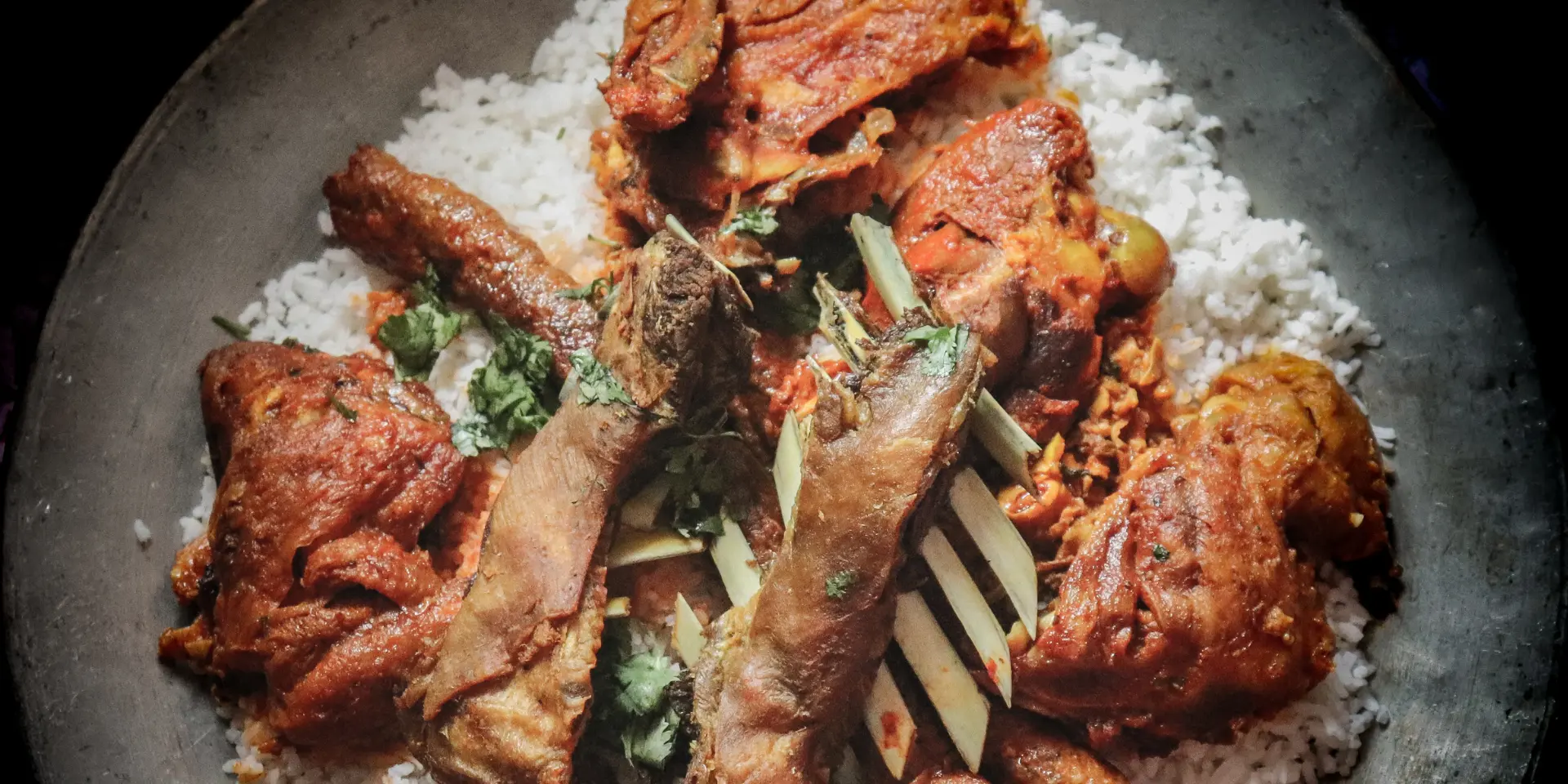
Kashmiris take pride in their culinary heritage. The food is not just served, it is presented with grace and a strong sense of honor. Traditional meals, particularly Wazwan (a royal multi-course feast), are often served on a copper dish called a Trami, shared by four people. Before the Wazwan is served, a beautiful custom is observed, guests are invited to wash their hands with a Tasht (a large, basin-like dish) and Nari (a portable jug filled with water). The host pours water over each guest’s hands, representing cleanliness and dignity as they prepare for the dinner. This act is more than just practical, it is a moment of respect, marking the beginning of a shared, ceremonial meal experience. The entire Wazwan experience, from the cooked Rogan Josh and Yakhni to the rhythm of rice servings, is both communal and religious. Whether you’re staying in a luxurious houseboat on Dal Lake or visiting a native home in the hills of Pahalgam, this spirit of giving and genuine care can be seen everywhere.
If you’re planning a winter tour to Kashmir, get ready to enjoy not only snowfall and breathtaking landscape, but also the comfort of Kashmiri traditions that have helped generations to chill in style. The Pheran, a long and loose traditional gown, becomes a daily need during the colder months. The large fit allows for warm layers below, making it suitable for both men and women. For travellers, slipping into a comfortable woolen Pheran is more than just practical, it’s also a cultural experience. Don’t be surprised if locals suggest it as the best way to blend in and escape the cold.
Along with the Pheran comes the Kangri, a one of a kind and attractive winter friend. This traditional earthen pot, filled with burning coals and placed under the Pheran, acts as a personal heater. It’s portable and efficient that you’ll see Kashmiri people carrying it as they walk through snow-covered streets or enjoy tea by the window. The Pheran and Kangri aren’t just winter essentials – it’s a reflection of how Kashmir embraces the cold with grace.
Must-Visit Places in Kashmir

- Srinagar – The City of Lakes
Srinagar, the summer capital of Jammu & Kashmir, is famous for its tranquil Dal Lake, attractive houseboats, and historic Mughal gardens. A Shikara ride on Dal Lake provides breathtaking views of the Himalayas, floating lotus gardens, and a chance to sip hot Kahwa from mid-lake sellers. Early morning provide a unique experience at the floating vegetable market, where residents exchange fresh food from their boats. Staying on a classic houseboat is must – it’s serene, beautifully made, and truly unforgettable. The city is also home to popular Mughal gardens such as Shalimar Bagh and Nishat Bagh, which are famous for their terraced lawns, fountains, and floral beauty. Don’t miss Chashme Shahi, with its natural spring water, and Pari Mahal, perched on a hill with a panoramic view of the lake, especially at sunset.

2. Gulmarg – The Meadow of Flowers
Gulmarg is an ideal place for both nature lovers and adventure lovers. It offers something for every season, from lush green meadows in the summer to snow-covered mountains in the winter. The Gulmarg Gondola, one of the world’s tallest cable cars, takes you to Apharwat Peak and provides stunning views of the Himalayas. Winter is a paradise for skiing, snowboarding, and snow play, while summer transforms the area into a lively meadow ideal for picnics, golf, and trekking. The town is calm and charming, with cozy hotels, pine forests, and views that make every step worth photographing.
3. Pahalgam – The Valley of Shepherds
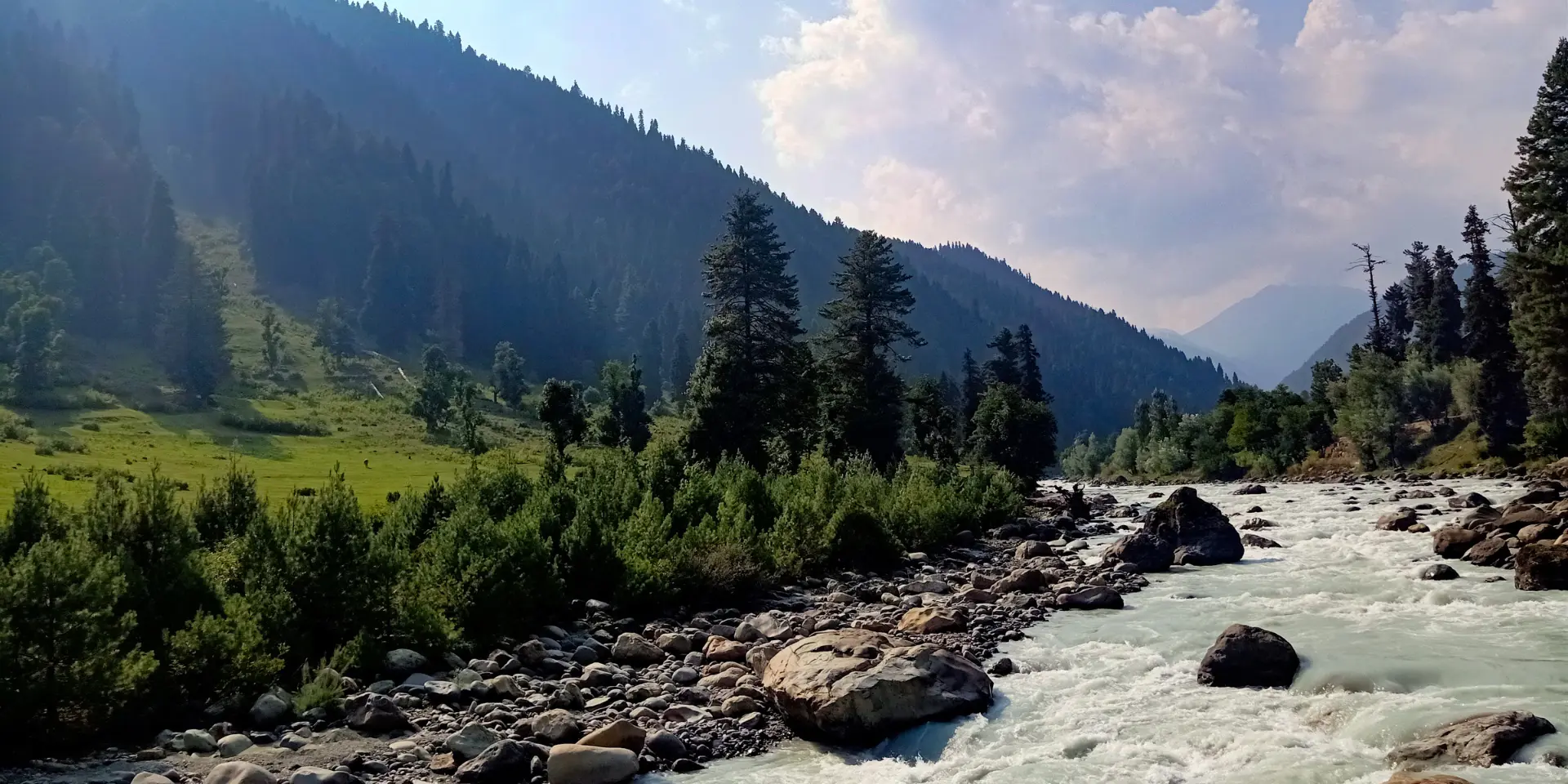
Pahalgam is a peaceful scenic town located in the Himalayas, known for its thick pine forests, snow-dusted mountains, and the crystal-clear Lidder River that runs through it. Pahalgam is the type of place that makes you slow down and breathe, whether you’re walking down the river, riding a horse, or simply taking in the peaceful surroundings. Some must-see spots are just a short drive away, including Aru Valley, a quiet little village surrounded by alpine meadows and ideal for camping and short treks Betaab Valley, with its film-like beauty, green pastures, and gushing streams and Chandanwari, the starting point of the Amarnath Yatra, known for its snow-covered landscapes and scenic picnic spots.
4. Sonamarg – The Meadow of Gold
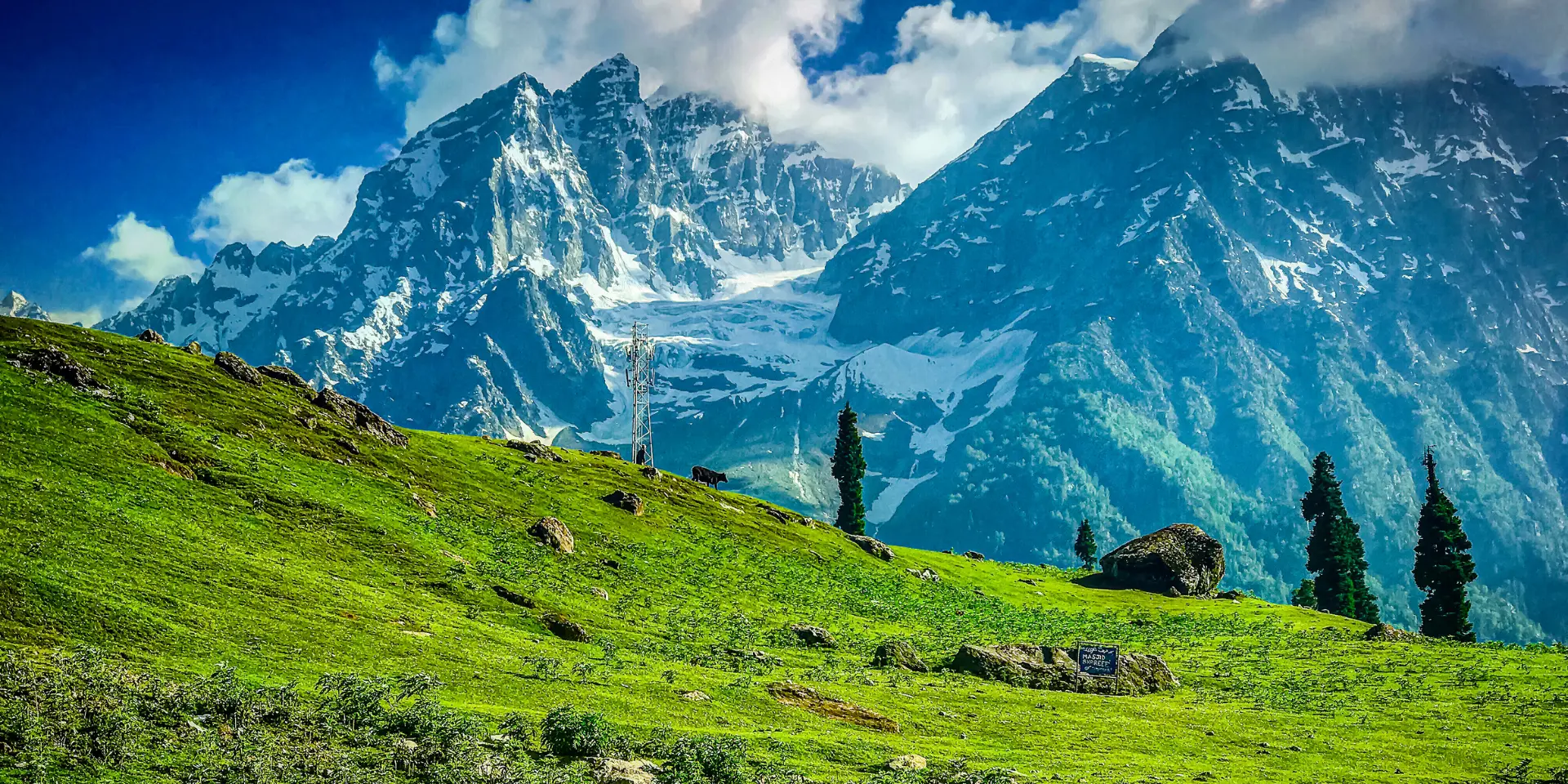
Sonamarg, is a stunning valley surrounded by snow-capped hills and alpine meadows. It’s one of Kashmir’s most gorgeous journeys, with meandering roads that pass beside rivers and pine-covered hills. The main attraction here is the Thajiwas Glacier, which is just a short trek or pony ride away and offers snow even in the summer months. Sonamarg is also a popular starting point for high-altitude treks, including the Baltal path to Amarnath Cave. Sonamarg provides raw, untouched beauty and pure mountain air, whether you’re here for a calm vacation, or for adventurous treks. It’s quieter and less commercial than other places, making it ideal for those looking to connect with nature.
While Gulmarg, Pahalgam, and Sonamarg are often at the top of most people’s lists of places to visit in Kashmir, there is another side to the region that has yet to be explored. If you are looking for something more calm and off beaten path, then these hidden gems should be on your bucket list with wildfloc Adventures:
- Bangus Valley: A peaceful, pristine paradise with lush green meadows and snow-capped hills. It’s like stepping back in time away from the crowds and truly connecting with nature. To read more about it check out this blog.
- Warwan Valley: A rugged, beautiful valley with crystal clear rivers and paths that seems to lead to another world. It’s perfect for everyone who wants to escape and immerse themselves in Kashmir’s untouched landscapes. To read more about it check out this blog.
- Keran Valley: Located on the bank of the Jhelum River, this serene getaway provides breathtaking views and a peaceful environment, making it ideal for anyone looking to unwind and relax. To read more about it check out this blog.
- Teetwal Valley: Situated on the border of India and Pakistan, this tranquil location provides breathtaking views and a unique sense of peacefulness. The landscapes here seems almost natural, untouched by modern tourism. To read more about it check out this blog.
- Tulail Valley: A hidden gem for trekkers and nature lovers, with lush meadows, snow-capped peaks, and a sense of adventure at every turn. It’s as distant and serene as it gets. To read more about it check out this blog.
- Yusmarg: Often overlooked by travellers, this place offers wide-open meadows, quiet lakes, and breathtaking views of the Pir Panjal Mountains. It’s ideal for anyone looking for some peace and quiet away from the crowds. To read more about it check out this blog.
FAQ’s about Kashmir Tour:

- What is the best time to visit Kashmir?
Kashmir is beautiful year-round—spring brings blooming flowers, summer is ideal for sightseeing and outdoor activities, autumn offers golden landscapes, and winter transforms the valley into a snowy wonderland perfect for skiing and cozy stays.
- Is Kashmir safe for tourists?
Yes, Kashmir is generally safe for tourists, especially in well-visited areas like Srinagar, Gulmarg, Pahalgam, and Sonamarg. The local people are known for their warm hospitality, and tourism plays a vital role in the region’s economy. However, as Kashmir is a politically sensitive area, occasional disruptions or security measures may occur. We recommend checking local travel advisories and news updates before your trip. Stick to recognized tourist zones, travel with a guide if possible, and always follow standard safety precautions.
- Do I need any special permits to visit Kashmir?
Most areas in Kashmir do not require special permits for Indian citizens. However, for some remote or border areas (like Gurez, Keran, or Bangus), both Indian and foreign tourists may need permits, which can usually be arranged locally.
- What are some must-try Kashmiri foods?
Don’t miss Wazwan (a traditional feast), Rogan Josh, Gushtaba, Yakhni, Kahwa, and Noon Chai. Also, local breads like Tsochwor and Lavasa are a staple at Kashmiri bakeries.
- Can I visit all the places mentioned in one trip?
If you have 10–14 days, you can comfortably explore the main destinations (Srinagar, Gulmarg, Pahalgam, Sonamarg) and 1–2 offbeat gems like Yusmarg or Bangus. For a deeper experience, you may consider multiple trips focused on different regions.
- Are there good accommodations in Kashmir?
Yes. Kashmir offers a wide range—from luxury resorts and charming houseboats on Dal Lake to cozy homestays and eco-friendly lodges in offbeat areas.
- Is it possible to visit Kashmir during snowfall?
Absolutely! December to February is snowfall season, especially in Gulmarg, Sonamarg, and Pahalgam. It’s a magical time for snow lovers, photographers, and winter sports enthusiasts. Be prepared for cold weather and potential travel delays.
- Can foreign tourists visit Kashmir?
Yes, foreign tourists are welcome in Kashmir, but some border areas (like Gurez or Teetwal) may require special permits. A passport, visa, and travel insurance are essential. It’s advisable to register with your embassy in case of extended stays.
- Is vegetarian food easily available?
Yes, vegetarian food is widely available. Most restaurants offer vegetarian Wazwan dishes, local specialties like Nadru Yakhni, Dum Aloo, and Haak, and Indian staples like dal, paneer, and rice-based meals.
- Can I travel to Kashmir with kids or elderly people?
Definitely. Kashmir is family-friendly. Just ensure you plan around comfort, avoid too much travel in one day, and choose moderate-weather seasons (spring or autumn) for a smooth experience.
For a curated experience, activities in offbeat destinations or trekking and camping in Leh,Ladakh, consider booking a tour with us.
Our Offbeat Ladakh Tour Package offers a comprehensive itinerary providing an immersive experience into the heart of Kashmir’s hidden beauty.
For more information or to book your adventure, visit www.wildfloc.com or contact us at care@wildfloc.com.