Kargil Valley
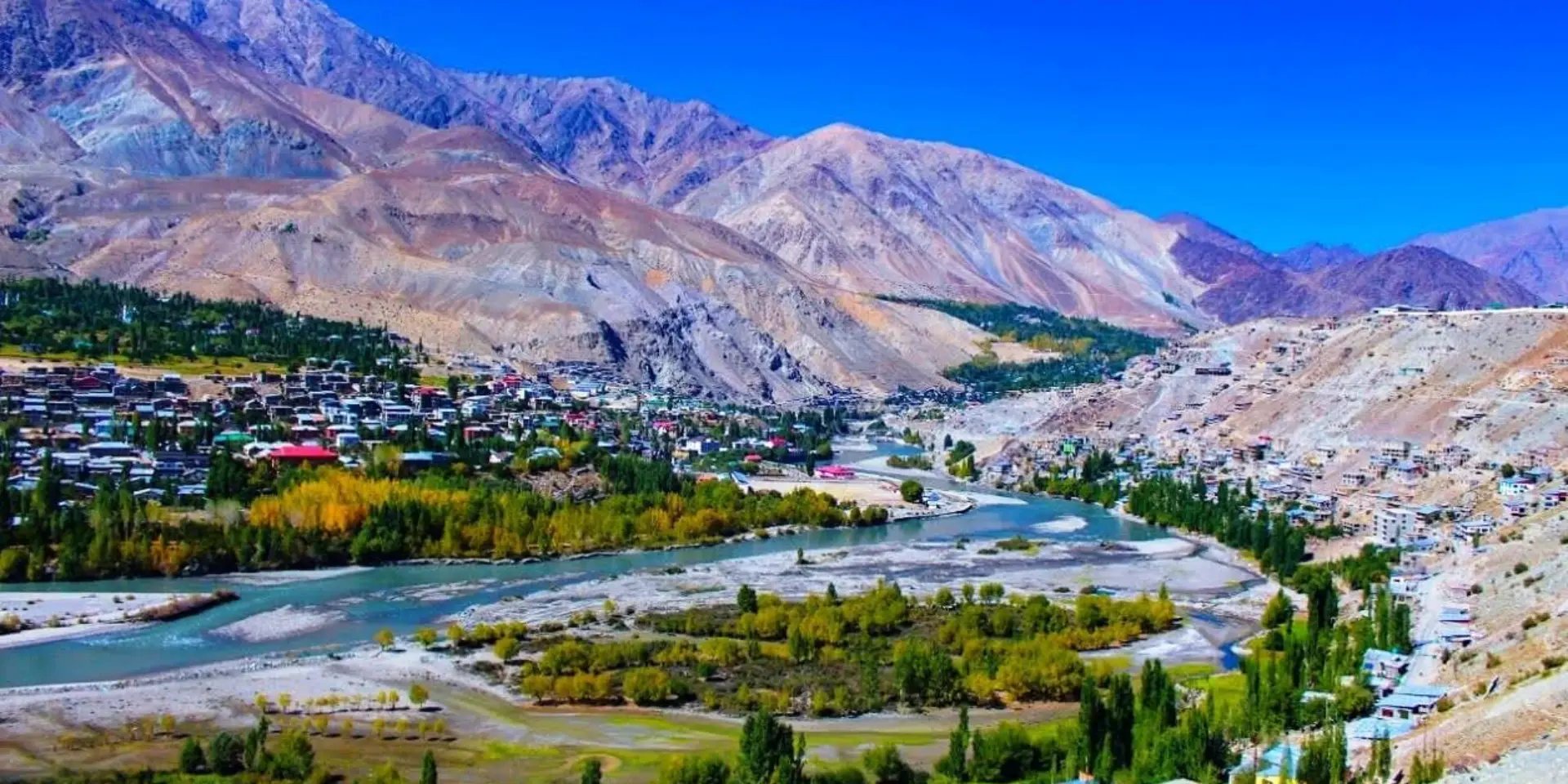
Kargil is a jewel in India’s far north because of its rich cultural diversity, and serene surroundings. Kargil is a town in the heart of Ladakh that perfectly blends history and natural beauty. As the administrative capital of the Kargil district, it offers visitors a unique blend of cultural history, historical landmarks, and breathtaking scenery.
Kargil is a melting pot of various nationalities and religions since it is located at the crossroads of two separate cultures: Tibetan Buddhism and Muslim traditions. Surrounded by the Zanskar and Himalayan ranges, this cultural fusion is seen in the town’s festivals, architecture, and daily life, with both Shia Muslim and Buddhist groups adding to its distinct beauty.
Beyond its military memorials, Kargil has long served as a cultural and commercial hub, connecting India to Central Asia and Tibet. Its historical significance, ranging from ancient trade routes to present resilience, demonstrates the region’s continuing power and stability, making it far more than just an area of conflict. Kargil is a jewel in Ladakh, with an unique blend of history, culture, and natural beauty.
Here are the top places to visit during your Kargil tour:

- Kargil War Memorial (Drass): A tribute to the sacrifices made during the 1999 Kargil War, located in Drass, with breathtaking mountain vistas and a strong connection to India’s military history.
- Mulbekh Monastery: located in Kargil, is a significant Buddhist shrine famous for its 9-meter-tall Maitreya Buddha statue carved into a rock. The statue, which dates back to the eighth century, represents Maitreya, the future Buddha. The monastery serves as a meditation and religious practice center, reflecting the region’s rich Buddhist legacy. It draws both pilgrims and tourists with its spiritual significance and stunning vistas of the surrounding mountains.
- Suru Valley: A picturesque valley with green fields and the majestic Nun Kun Peak, this area is perfect for trekkers and nature lovers looking for a tranquil surroundings.
- Zanskar Valley: A remote paradise for explorers, this area provides stunning scenery, historic monasteries, and exhilarating trekking chances.
- Drass Valley: Home to the Kargil War Memorial, Drass is known for having breathtaking views and being the second-coldest inhabited region.
- Wakha Village: Explore traditional architecture and rural life in this peaceful village that offers a genuine Ladakhi experience.
Activities in Kargil

- Trekking and Mountaineering: Located in the center of Ladakh, Kargil is a trekker’s and mountaineer’s dream come true, providing the ideal balance of natural scenery, tranquil beauty, and exhilarating adventure. The area is home to some of the most breathtaking and difficult trekking routes, including the Zanskar Valley Trek, the Suru Valley Trek, and the Phugtal Monastery Trek, all of which offer remarkable experiences in remote, pristine environments. Towering peaks like Nun Kun and Saltoro, which provide difficult ascends with stunning vistas, are available in Kargil for experienced mountaineers. Kargil promises a fascinating and memorable outdoor experience. Kargil’s treks and climbs are not only physically demanding but also steeped in history and culture, giving adventurers a chance to connect with both nature and local traditions.
- Water rafting: water rafting in Kargil, particularly on the Zanskar River, provides an exciting trip. The Zanskar River is perfect for both novice and expert rafters because it offers a thrilling combination of calm and exhilarating rapids. Popular routes include the more difficult Padum to Kargil route for experienced adventurers and the Kargil to Nimu stretch, which offers scenic beauty and mild rapids. Between June and September, when the river’s flow is ideal for adventure, rafting is at its best. With proper safety measures, guided tours, and the right gear, rafting in Kargil promises an unforgettable experience amidst one of the most stunning landscapes in India.
- Cultural Exploration and Historical Tours: Kargil is a captivating destination for cultural exploration and historical tours, offering a rich blend of traditions and stories. The valley stands at the crossroads of Tibetan Buddhism and Shia Islam, allowing visitors to experience unique cultural fusion, from the peaceful Lamayuru Monastery to the solemnity of Shia Muslim festivals. The Kargil War Memorial in Drass provides a poignant reminder of the region’s military significance, while ancient Buddhist sites like the Mulbekh Monastery and the Zanskar Valley showcase Kargil’s deep historical roots. With its stunning landscapes, thriving local communities, and historical landmarks, Kargil offers a deep dive into the past and present of this incredible region. From exploring ancient trade routes to witnessing the resilience of its people, Kargil’s cultural and historical richness makes it an unforgettable destination.
May to September are the best months to visit Kargil because of the excellent weather, which varies from 15° to 30°C and is perfect for trekking and sightseeing. With fewer tourists and stunning scenery, autumn (September to October) is also a fantastic season. While it’s quieter in the spring (March to April), snow may force the closure of several high-altitude roads. Best for those looking for snow and seclusion, winter (November to February) is harsh and cold, with high temperatures and limited access.
Kargil, a gem in Ladakh, has a rich history, varied culture, and stunning scenery. It is known for its role in the 1999 Kargil War and provides cultural mix with Tibetan Buddhist and Shia Muslim influences. The Kargil War Memorial, the Mulbekh Monastery, and picturesque valleys such as Suru and Zanskar are among the top attractions. Adventurers can go trekking, mountaineering, and rafting on the Zanskar River. The ideal months to visit are May and September, which provide good weather for outdoor activities. Kargil is a must-see destination because of its distinctive charm, history, and natural beauty.
FAQ’s about Kargil Valley

- What is Kargil famous for?
Kargil is well-known for its involvement in the 1999 Indian-Pakistani Kargil War. It is known for its historical sites, such as the Mulbekh Monastery and the Kargil War Memorial, as well as its natural beauty and rich cultural legacy.
- Where is Kargil Located?
Kargil is situated in Jammu & Kashmir’s Ladakh area, which is the country’s northernmost point. It is located at an elevation of roughly 2,676 meters above sea level and runs parallel to the Pakistani border.
- What is the best time to visit Kargil?
May through September are the best months to visit Kargil because of the favorable weather, which is perfect for outdoor activities like trekking, sightseeing, and river rafting. For a more tranquil experience, autumn (September to October) is also the best time of year.
- How can I go to Kargil?
Kargil is a landlocked location that can only be reached by road. You can ride the bus or take a taxi. From November to May, snow is likely to block the main pass between Srinagar and Kargil. On the other hand, the route between Kargil and Drass is open nearly all year round.
- How far is it from Leh to Kargil?
Based on road conditions, Kargil is roughly 230 kilometers (approximately 5-7 hours) from Leh.
- How long does it take to drive from Kargil to Srinagar?
It usually takes about six to seven hours to drive the 200 kilometers from Kargil to Srinagar.
- Can I visit Kargil on a solo trip?
Yes, traveling solo is safe in Kargil. But like any distant location, it’s important to prepare ahead of time, pay attention to local conditions, and take safety precautions especially while trekking or travelling in isolated regions.
- Is there mobile network coverage in Kargil?
Mobile network coverage is generally available in Kargil, but it can be limited in more remote areas or high-altitude regions. It’s advisable to inform someone of your plans and carry a local SIM card for better connectivity.
- Is Kargil safe for tourists?
Yes, Kargil is safe for tourists. However, it’s advisable to check current security conditions and road status before planning your trip, especially in winter, as some areas may be inaccessible due to snow.
- What is the cultural significance of Kargil?
Kargil is a cultural melting pot, home to both Tibetan Buddhist and Shia Muslim communities. This blend of traditions is reflected in its festivals, architecture, and daily life.
For a curated experience, activities in offbeat destinations or trekking and camping in Leh,Ladakh, consider booking a tour with us.
Our Offbeat Ladakh Tour Package offers a comprehensive itinerary providing an immersive experience into the heart of Kashmir’s hidden beauty.
For more information or to book your adventure, visit www.wildfloc.com or contact us at care@wildfloc.com.