Is Drung Waterfall safe in winter?

A Personal Memoir and the Only Guide You Need
Have you ever stood in perfect, ringing silence, listening to the very wind freeze around you? I remember the first time I saw Drung Waterfall. It wasn’t just a sight; it was a soul-deep encounter. The rush of summer water, usually a riotous symphony, was hushed, trapped in a crystalline stillness that felt both powerful and impossibly delicate. It wasn’t just a trip; it was finding the quiet, frozen heart of Kashmir itself.
If you’re craving a journey that trades crowded streets for towering icicles and the gentle crunch of snow, let me walk you through this place. This guide is built not just on facts, but on the feeling of being there.
Why Drung Waterfall Captures the Spirit
When the valley temperatures plummet, the Drung Waterfall (a cascade fed by the Ferozepur Nallah stream) undergoes its dramatic metamorphosis. It stops being a mere waterfall and becomes a breathtaking sculpture. Imagine a sheer rock face dripping with colossal, translucent icicles blue-white spears that catch the weak winter sun, turning into a glittering, temporary cathedral.
This is the moment of pure awe. The silence here is unlike any other. It is heavy, insulating, broken only by the occasional sharp, metallic crack of a far-off tree or the distant crunch of snow underfoot. It’s here that you truly feel the immense power of nature’s pause. We visit for the pictures, but we return for the feeling of being utterly small and profoundly present.
Summer’s Charm: Lushness and the Lifeblood of the Valley
If you visit in Spring (March–April) or Summer, the experience is radically different. The heavy ice vanishes, replaced by a vigorous, gushing torrent of water. The surrounding meadows of the Drung Valley are lush and green. This is the time for riverside picnics, short, easy treks along the stream, and a perfect, cooling detour from the bustle of Gulmarg. It’s a moment of belonging a perfect spot to share a cup of kahwa with a friend and watch the water do its timeless work.
How to Reach Drung Waterfall (With Real Costs)
This destination requires a practical, two-stage approach, especially in winter. Ignore generic guides; this is the ground truth on transportation and expense management.
Stage 1: Srinagar to Tangmarg (The Base)
The most common starting point is Srinagar, approximately 42-45 km away.
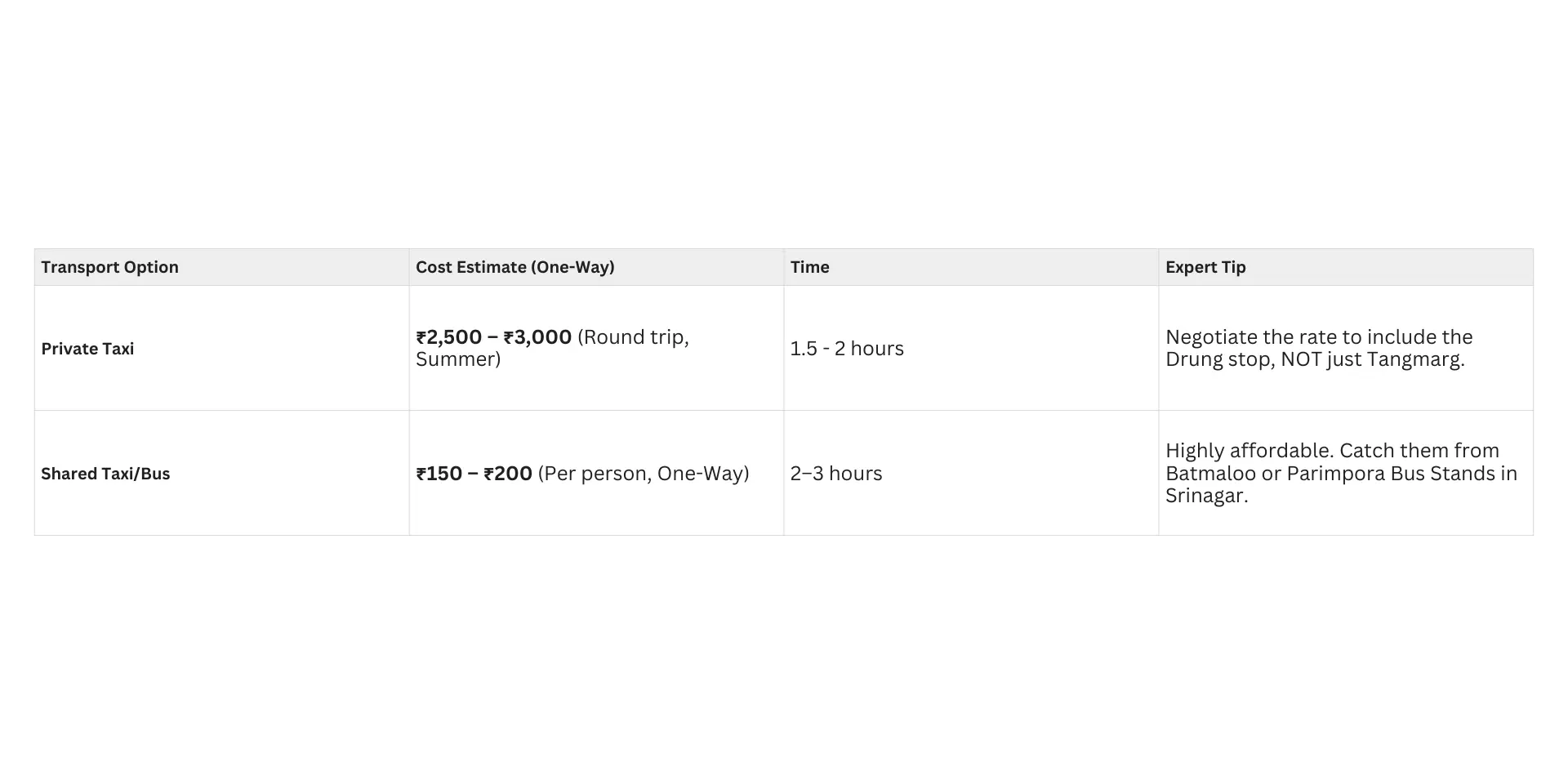
Stage 2: Tangmarg to Drung Waterfall (The Final Push)
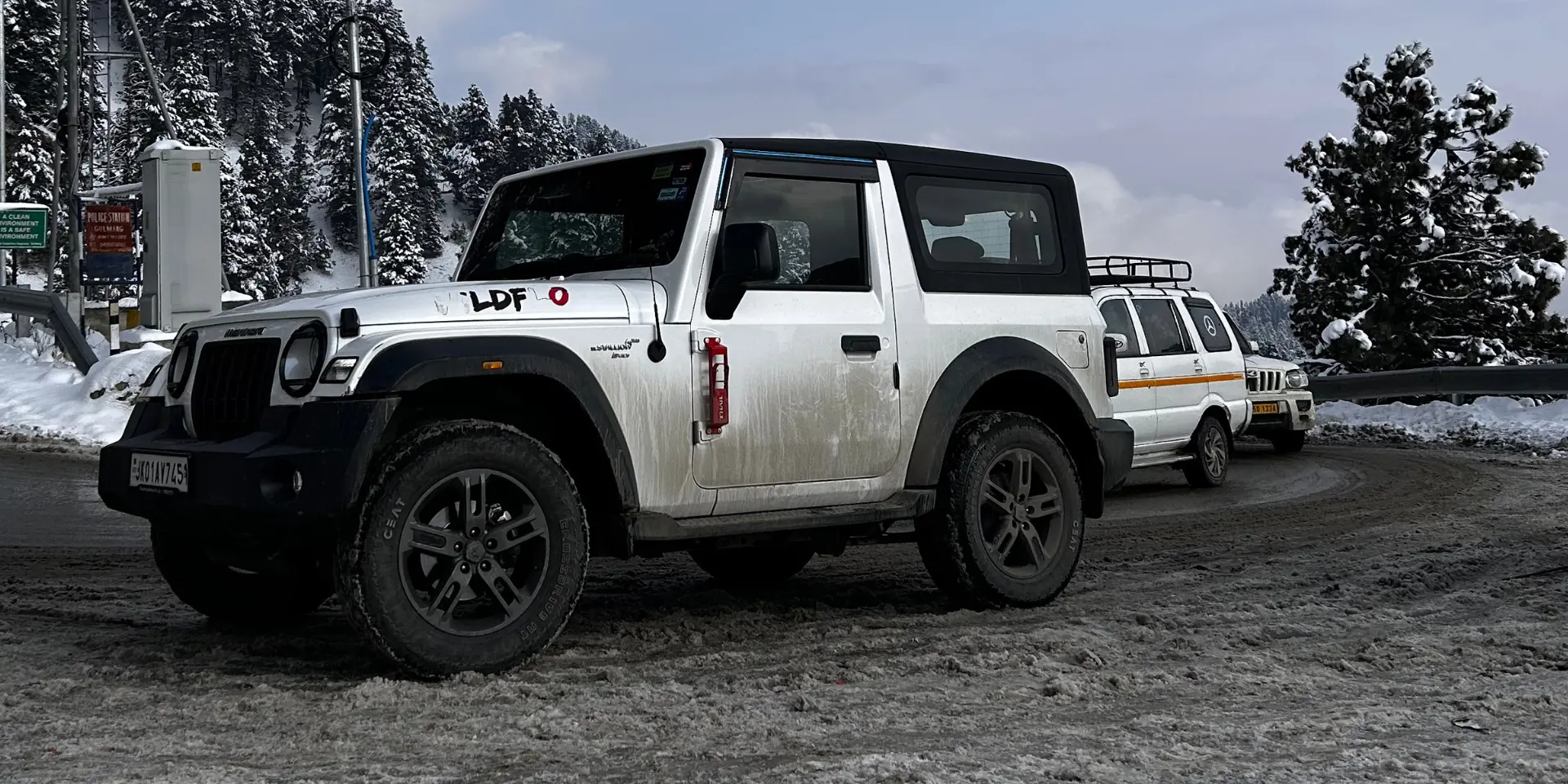
Drung Waterfall is located just 3 km from Tangmarg town. Due to local taxi union rules and extreme snow/ice in winter (Jan-Feb), Srinagar-registered taxis are often not allowed for this final stretch.

A Gentle, Heartfelt Invitation
If you ever find yourself in Kashmir, don’t just “see” Is Drung Waterfall safe ; let it meet you. Let it slow you down. Let it remind you of silence, stillness, and the beauty of stopping.
And if you’d like to experience Drung; not as a tourist, but as a traveler with intent, meaning, and wonder; I’d love to help you explore it through curated journeys that honor nature and emotion.
Just reach out; not because you must; but because you feel like you want to.
Things to Do at Drung: Beyond the Icicles
1. The Thrill of the Ride (Winter) Book the local ATV ride from Tangmarg. This 6km journey, sometimes 14km depending on the package, is half the fun of the destination. The rush of wind, the snow flying past, the feeling of anticipation; it transforms the simple act of traveling into a genuine adventure.
2. Sip the Soulful Kahwa Around the viewing area, you’ll find small, temporary shacks run by locals. Stop for a cup of steaming Kashmiri Kahwa. The warmth of the saffron-infused tea, combined with the bitter chill of the mountain air, creates a memorable sensory experience. Supporting these vendors is a direct way to connect with the local community.
3. Explore the Tangmarg Bazaar Since your journey breaks at Tangmarg, take the time to explore this charming town. It’s famous for its apple orchards and local markets. Grab some dried fruits or local handicrafts: it’s a perfect moment of slow, reflective tourism.
A Final Word on Your Kashmiri Journey
If you’ve read this far, you’re not just a tourist you’re a seeker. Now if you ask Drung Waterfall is safe or not; isn’t about crossing a place off a list; it’s about reconnecting with the world’s untamed beauty. Go with an open heart, dress warmly, carry that local knowledge with you, and allow the quiet majesty of the frozen cascade to settle deep into your soul.
Ready to find your quiet moment in the heart of the valley?

FAQs About is Drung Waterfall safe?
1. When is the absolute best time to visit Drung Waterfall?
The best time is January and February if you want to witness the iconic, fully frozen waterfall and the most snow. For pleasant weather and a full flow, visit between April and June.
2. Is Drung Waterfall safe to visit in the winter months?
Yes, it is safe, provided you follow local advice. The road from Tangmarg to Drung is managed by local operators who use specialized vehicles (or ATVs) for the snow and ice. Always wear non-slip, warm, waterproof shoes.
3. Do I need a permit to visit Drung Waterfall?
No, there is no entry fee or special permit required to visit Drung Waterfall itself.
4. How much does the ATV ride from Tangmarg to Drung Waterfall cost?
The round-trip ATV ride from Tangmarg to Drung Waterfall costs approximately ₹1,500 to ₹2,000 per person. Always confirm the price and the exact distance covered before starting.
5. Can my Srinagar-registered taxi take me directly to the waterfall in winter?
Generally, no. Due to road conditions and local union rules, Srinagar-registered taxis can usually only take you to Tangmarg. You will need to switch to a local cab or an ATV from Tangmarg for the final 3-6 km.
6. Where is the nearest accommodation to Drung Waterfall?
There are very few, if any, hotels directly at Drung Village. The nearest and best accommodation options are available in Tangmarg or the main resort town of Gulmarg (13–16 km away).
7. How far is the walk from Tangmarg to Drung Waterfall?
The walk is approximately 3 km one-way and takes about 45 minutes to 1 hour, depending on the snow conditions.
8. Is the Drung Waterfall natural, or is it man-made?
While the natural stream (Ferozepur Nallah) is what freezes, some sources suggest the flow is controlled by a nearby dam for a hydroelectric plant, but the beauty of the frozen spectacle is entirely natural.
9. Can I see snow at Drung Waterfall in March or April?
While the waterfall itself may begin to thaw in March, you can often still see significant patches of snow and ice in the surrounding mountains and on the ground well into early April.
10. What clothes should I wear for a January visit?
You need three layers of thermal clothing, a heavy waterproof and windproof jacket, waterproof snow boots with good grip, thermal socks, gloves, and a warm hat that covers your ears.
11. Are there food stalls or facilities available at the waterfall site?
Yes, local vendors set up temporary stalls near the viewing point, offering hot Kahwa, tea, Maggie noodles, and small snacks. Facilities are basic.
For a curated experience, activities in offbeat destinations or trekking and camping in Kashmir, consider booking a tour with us.
Our Offbeat Kashmir Tour Package offers a comprehensive itinerary providing an immersive experience into the heart of Kashmir’s hidden beauty.
For more information or to book your adventure, visit www.wildfloc.com or contact us at care@wildfloc.com.