Drass Valley
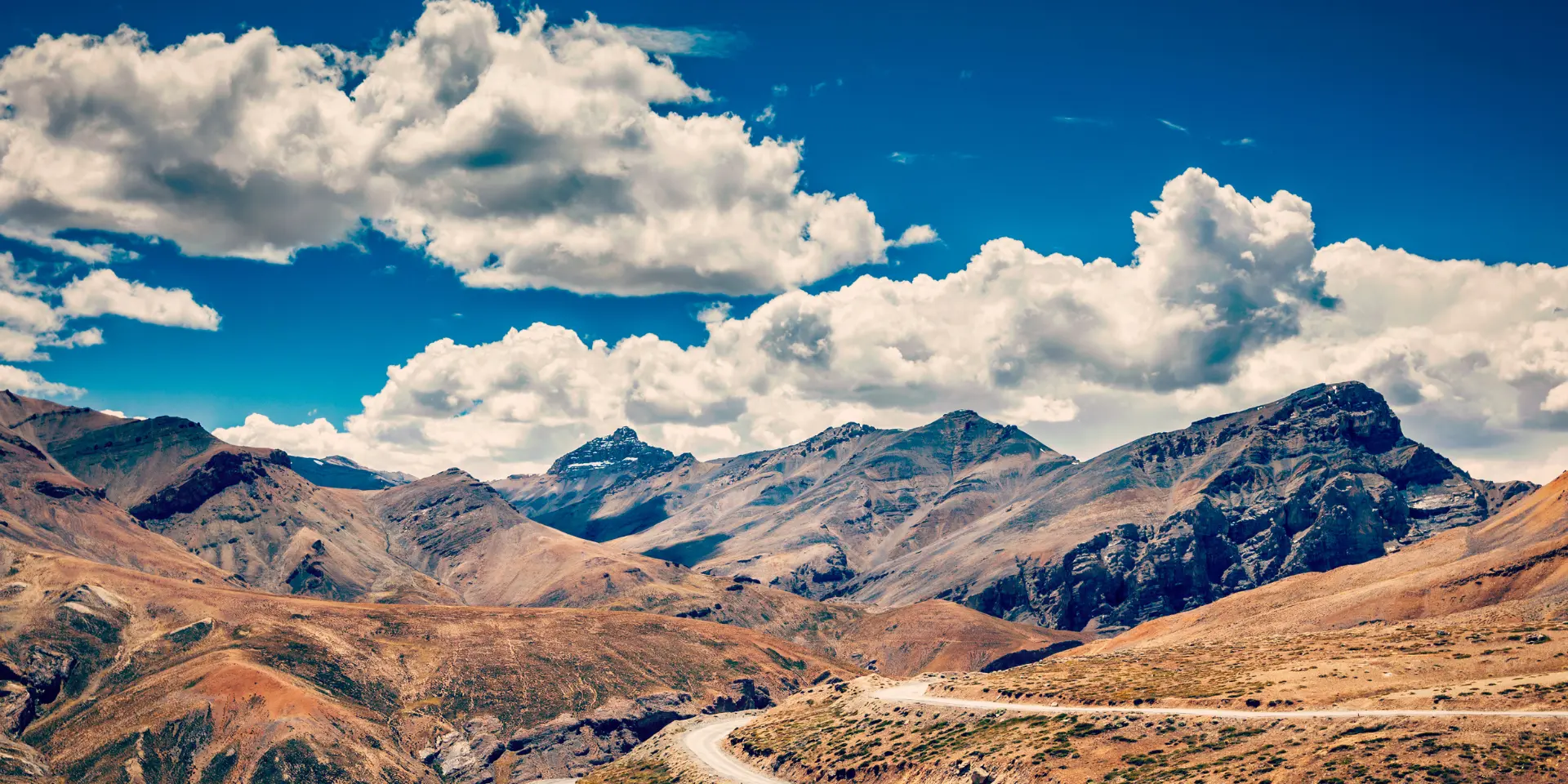
Drass is a charming town in Kargil district, located on the Srinagar-Kargil highway, approximately 63 kilometers from Kargil. Drass, often known as the “Gateway to Ladakh,” is the world’s second coldest inhabited place, only surpassed by Siberia in Russia. Drass is a unique place for a variety of reasons, including its severe cold. The valley, rich in history and significance, became a focal point during the 1999 Kargil War, and it now stands as a testimony to the bravery and sacrifices made here. Drass also offers as a thrilling trekking route, with rocky treks through breathtaking, pristine scenery. Whether you’re a history lover or a thrill seeker, Drass guarantees an amazing experience.
Places to Visit in Drass Valley

Drass war Memorial: In Drass, the Drass War Memorial pays tribute to the Indian soldiers who lost their lives in the 1999 Kargil War. The memorial offers a perspective of important fighting zones and has plaques with the names of dead troops close to crucial battle areas like Tololing Hill and Tiger Hill. It honors the Indian Army’s valor and recognizes their contribution to the reoccupation of land from Pakistani forces. The Kargil War Museum nearby offers more historical background through objects and photographs. The memorial draws tourists, especially those with an interest in military history, and serves as a symbol of pride and remembrance for the country.
The Ningoor Masjid: In Drass, is a significant religious and cultural site for the local Muslim population. It is located in the calm and distant Drass Valley, offering a peaceful place for worship and reflection amidst the chilly, alpine surroundings. Aside from daily prayers, the mosque serves as a hub for social gatherings, religious activities, and cultural celebrations like Eid and Ramadan, which bring the community together. The mosque symbolizes the region’s rich history and unique cultural traditions, representing peace and coexistence in a conflict-affected area. In this way, Ningoor Masjid is an important part of Drass’ spiritual, social, and cultural life, providing a sense of unity and refuge to its residents.
Stagsboo: Stagsboo is a picturesque village in Drass Valley, known for its magnificent natural beauty, snow-capped hills, and serene surroundings. It is located near Drass and provides breathtaking scenery for nature enthusiasts and hikers. While Stagsboo is not historically interesting, it is part of the Drass area, which was involved in the Kargil War. Tourists looking to discover the secluded beauty of Kargil and Ladakh are increasingly aware of the village.
Tiger Hill: Tiger Hill is the highest peak in the area and has great historical and strategic significance. It is situated at an elevation of 16,000 feet in the Drass Valley. When Indian troops successfully seized it from Pakistani forces during the Kargil War in 1999, it rose to fame. The hill was essential for regulating access to the valley and offered a dominant view of the surroundings. Although access is limited because of Tiger Hill’s close proximity to the Line of Control (LoC), it is currently a well-liked destination for hikers and historical enthusiasts. The area is renowned for its harsh weather, stunning natural beauty, and the wartime memorials honoring the fallen soldiers. For those who enjoy adventure and history, Tiger Hill is a challenging but worthwhile trip.
Manman Top: Manman Top in Drass Valley, a spectacular vista at an elevation of around 4,000 meters. It provides breathtaking panoramic views of the Himalayan Mountains and the Drass Valley. The road up to the top is motorable from Drass, but due to the steep inclines, it is best to hire a local driver. Mushkoh Valley, known for its natural beauty, and the sacred Draupadi Kund are two nearby attractions. Manman Top is an excellent location for photographers, wildlife lovers, and those seeking peace and quiet in Ladakh.
Things to do in Drass Valley
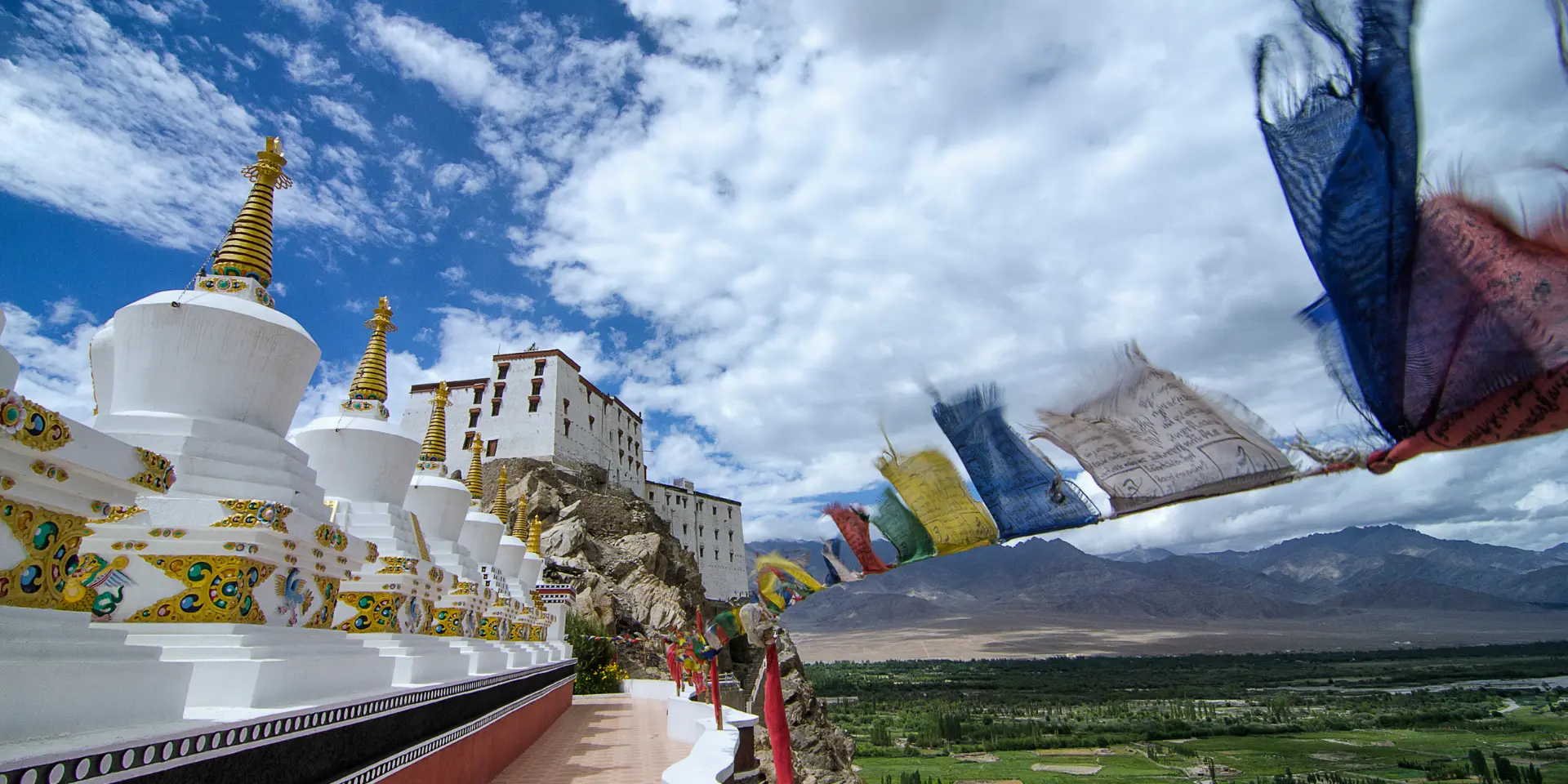
Trekking: One of the most popular activities in Drass is trekking, which offers both short and long treks through stunning surroundings. The area is home to well-known trekking routes like the Zoji la Pass Trek and Tiger Hill Trek, which attracts travellers seeking exciting challenges and breathtaking Himalayan views.
Cultural and spiritual Exploration: Drass Valley is home to several old Buddhist monasteries, including Mulbekh Monastery, which is notable for its rock-carved Buddha. Visiting these monasteries provides both a spiritual experience and a greater understanding of the region’s culture and traditions.
Village walks: Exploring the towns of Drass on foot provides a tranquil and immersive experience. Walking through the stunning Drass Valley allows you to learn about the local culture, meet with friendly residents, and take in breathtaking views of alpine meadows, streams, and snow-capped peaks.
How to reach to Drass:
By Air: Leh Airport, which is roughly 279 Kms from Drass, is the closest airport. Flights are offered from Delhi, Mumbai, Jammu, and Srinagar. You can travel to Drass by bus or cab from Leh. A bus or cab can take you to Drass when you fly into Srinagar Airport (SXR), which is around 161 kilometers away.
By Road: The most popular routes from Srinagar and Leh to Drass are by road. Through beautiful areas like Sonamarg and the Zojila Pass, the 140-kilometer drive from Srinagar takes roughly 8 to 9 hours. The road provides breathtaking views of the valleys and mountains and is open from late spring to early October. As an alternative, Drass is about 281 kilometers from Leh, takes four to five hours, and travels along the same highway, offering stunning views of the Ladakh region.
The best time to visit Drass Valley is May – September, when the weather is moderate and ideal for outdoor activities. Summer (May-September) has comfortable temperatures and clear skies. The monsoon season (July-September) brings rain, which might hinder travel, but the valley remains lush and verdant. Winter (October-March) is extremely cold, with temperatures plunging below -20°C and heavy snow obstructing roads.
When planning a trip to Drass, be prepared for the chilly weather and high elevation. Pack warm gear such as thermals, insulated jackets, woolen accessories, and waterproof shoes for trekking. Because Drass is located at 3,300 meters, altitude sickness is a possibility, so prepare gradually, remain hydrated, avoid excessive alcohol or caffeine, and prepare for unexpected weather changes. Roads to Drass might be difficult in the winter, so check the conditions and consider hiring a local guide.
For the most current weather updates, consider checking reliable sources such as AccuWeather and the Weather Channel.
Drass Valley, with its breathtaking scenery, rich history, and important part in the 1999 Kargil War, provides an amazing experience for both adventurers and enthusiasts of history. There’s something for everyone, from visiting the Drass War Memorial to demanding treks like Zoji La Pass and Tiger Hill. The quiet towns, cultural treasures such as Ningoor Masjid, and stunning views from Manman Top provide a relaxing yet immersive journey. Whether you’re exploring the area’s spiritual legacy or enjoying its natural beauty, Drass offers an enriching experience. Be prepared for the cold, high altitude, and fluctuating road conditions, and plan your trip between May and September for the best weather. With proper planning, Drass Valley promises to be an excellent destination for any traveller.
FAQ’s about Drass Valley

1.What is Drass known as?
Drass is often called “The Gateway to Ladakh”. Drass lies in the centre of the valley. Drass is 140 km from Srinagar and 63 km from Sonmarg.
2.What is the best time to visit Drass Valley?
The best time to visit Drass Valley is between May and September when the weather is more moderate, and outdoor activities like trekking and sightseeing are most enjoyable.
3.Is Drass Valley accessible during winter?
Drass is accessible during winter, but the conditions can be extreme. Temperatures often drop below -20°C, and heavy snow can block roads, especially the Zojila Pass. It’s advisable to check road conditions before travelling and be prepared for cold weather and possible travel delays.
4.How do I reach Drass Valley?
You can reach Drass Valley by road or air. The nearest airport is Leh, about 279 km away, with flights connecting to Delhi, Mumbai, Jammu, and Srinagar. You can travel from Leh or Srinagar by bus or cab. By road, Drass is accessible via the Srinagar-Kargil highway, and the drive from Srinagar takes around 8-9 hours.
5.What are the main attractions in Drass Valley?
Key attractions include The Drass War Memorial, the Ningoor Masjid, Tiger Hill, Stagsboo village, and Manman Top. Drass is also known for trekking routes like The Zoji La Pass Trek and the Tiger Hill Trek, offering both adventure and historical significance.
6.What should I pack for a trip to Drass Valley?
Since Drass is at a high altitude and has cold weather, pack warm clothing such as thermal wear, insulated jackets, woolen gloves, scarves, and waterproof shoes for trekking. A first aid kit, torch, power bank, and water bottles are also essential for safety and comfort.
7.What activities can I do in Drass Valley?
Visitors can enjoy trekking, cultural and spiritual exploration, and village walks. Drass is home to several Buddhist monasteries, and its scenic beauty makes it perfect for nature photography and relaxation. You can also explore wartime memorials and learn about the region’s history during the Kargil War.
8.Is there a risk of altitude sickness in Drass Valley?
Yes, Drass is located at a high altitude (3,280 meters), so altitude sickness can be a concern. It’s important to acclimatize gradually, stay hydrated, avoid alcohol and caffeine, and rest as needed. If necessary, carry medication like Diamox, but consult with a doctor beforehand.
9.How safe is it to visit Drass Valley?
Drass is generally safe for tourists, though it’s a remote area, so it’s best to travel with a local guide, especially if you’re unfamiliar with the region. Always check road conditions before traveling and be cautious of extreme weather, particularly in winter.
10.Are there accommodations available in Drass Valley?
Yes, Drass offers various accommodations ranging from guesthouses to basic hotels, catering to different budgets. However, accommodations may be limited during peak tourist season, so it’s advisable to book in advance.
For a curated experience, activities in offbeat destinations or trekking and camping in Leh,Ladakh, consider booking a tour with us.
Our Offbeat Ladakh Tour Package offers a comprehensive itinerary providing an immersive experience into the heart of Kashmir’s hidden beauty.
For more information or to book your adventure, visit www.wildfloc.com or contact us at care@wildfloc.com.