Arshan Lakes
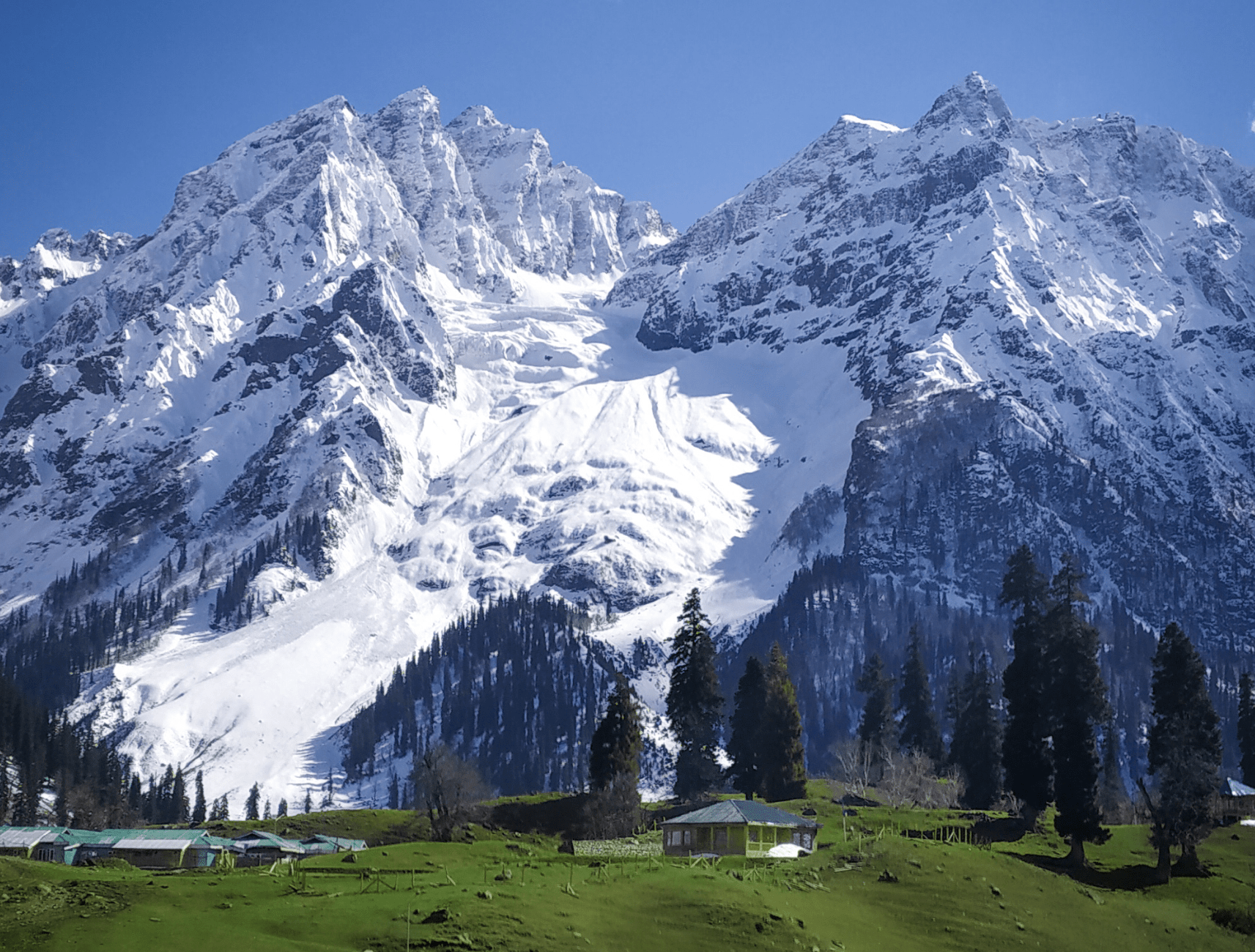
Arshan Lakes
Day Hike to Arshan Lakes
- 1 Day
- Saturday/Sunday
-
Trek Gradient
Moderate to Difficult
Overview
The Arshan Valley Trek is a hidden gem that takes you to a less explored part of Kashmir. This trek offers the unique experience of visiting not one, but three alpine lakes in just a day. Along the 7.6 km route, you’ll traverse the picturesque meadows of Kashmir, cross streams, and enjoy a ridge walk that provides stunning aerial views of Zed Nag and Neh Nag lakes.
Starting from the Arshan Valley Base Point, located in the Anantnag district just 5.5 km from the famous Sinthan Top, the trek is both scenic and accessible. Suitable for fit beginners and experienced trekkers alike, this easy trek is a perfect way to immerse yourself in the untouched beauty of Kashmir.
Highlight's
- Trek Difficulty: Moderate to Difficult
- Altitude: 4200 m
- Distance: 14 km round trip
Hiking Rules
RESPECT NATURE:
- Leave no trace. Carry all waste back with you
and dispose off it properly.
STAY ON MARKED TRAILS:
- Do not venture off the designated paths to
prevent accidents and preserve the natural
environment.
HEALTH ISSUES:
- Inform the trek leaders of any medical conditions.
Carry any personal medications required.
ASCEND TIMING:
- Ascending will be done only till 2:30 PM. Ensure
to follow the trek leaders to reach the
designated spot by this time.
LUNCH TIME:
- Lunch break will be taken from 2:30 PM or
before we reach the designated spot which ever
is earlier.
DESCENT TIME:
- By 3:00 PM, everyone must start descending,
irrespective of their current location on the
trek. This rule is crucial for safety reasons to
ensure everyone returns before dark.
PROPER GEAR:
- Wear appropriate trekking shoes, clothing, and
carry necessary gear, no sports shoes will be
allowed.
WEATHER AWARENESS:
- Be aware of the weather conditions. Trek
leaders decisions will be the final decision
keeping in view the safety of fellow trekkers.
BUDDY SYSTEM:
- Always trek with a buddy to ensure mutual
safety and support.
COMMUNICATION:
- Maintain clear communication with the group
and leaders, especially in case of any issues.
RESPECT FELLOW TREKKERS:
- Treat everyone with respect and consideration.
If you encounter any issues with a participant’s
conduct, please inform the trek leaders. Do not
engage in any unprofessional behavior and
respect everyone’s privacy.
NO SMOKING:
- Smoking is strictly prohibited during the trek to
ensure the safety and comfort of all
participants.
Contact Information
- In case of emergencies, contact our on-ground team at +91-8867269090. For any queries or assistance during the trip, feel free to reach out to our support team.
We look forward to making this trip an extraordinary experience for you. Enjoy the beauty, culture, and hospitality of Kashmir!
FAQ'S
What should I wear for a group day hike?
- Wear comfortable hiking shoes with good grip.
- Dress in lightweight, moisture-wicking clothing.
- Layer your clothing to adjust for temperature changes.
- Bring a hat and sunglasses for sun protection.
What should I pack for a group day hike?
- A small backpack, water (at least 2 liters), snacks and a packed lunch personal medication if any, sunscreen and insect repellent, rain jacket or poncho.
Do I need to bring my own food and water?
- Yes, it’s important to bring enough water and snacks for the day hikes.
How fit do I need to be for a group day trek?
- A moderate level of fitness is recommended. The trek leader will provide details on the difficulty level, so choose treks that match your fitness level.
Do I need any special permits for the trek?
- The trek organizer usually handles permits and entrance fees. Check the trek details to confirm if any personal documentation is required.
What if I get separated from the group?
- Always stay with the group. If you get separated, stay calm and stay on the trails. If it is dark, try to get to a local Gujjar dokas (shepherd’s hut) and keep your flashlight on. Never panic and try to contact the trek leader using the emergency contact provided.
Is it safe to trek with a group of strangers?
- Trekking with a group organized by a reputable company is generally safe and always follow the trek leader’s instructions and stay with the group.
What should I do in case of bad weather?
- The trek leader will monitor weather conditions and make necessary decisions. Always carry a rain jacket and be prepared for sudden weather changes.
How do I handle emergencies during the hike?
- Follow the trek leader’s instructions. They are trained in first aid and emergency protocols. Carry a basic first aid kit for personal use.
How do I prevent blisters on a hike?
- Wear well-fitting, broken-in hiking shoes and moisture-wicking socks. Apply blister prevention tape on hotspot areas before you start.
What should I do if I encounter wildlife?
- Follow the trek leader’s instructions and maintain a safe distance from wildlife. Do not feed or provoke animals.
How do I stay hydrated during the trek?
- Drink water regularly. The trek leader will plan breaks for hydration and rest. Carry a hydration system like a water bladder or multiple water bottles.
What time should I arrive for the trek?
- Arrive at least 15-30 minutes before the scheduled start time to ensure you are ready for the briefing and to meet the group.
How long do group day treks usually take?
- The duration varies but typically ranges from a few hours to a full day. Check the trek itinerary for specific details.
Are pets allowed on the trek?
- This depends on the trek and its regulations. Confirm with the trek organizer if pets are allowed.
Is there cell phone reception on the trail?
- Cell phone reception may be limited or unavailable. Plan to inform someone of your trekking plans well in advance.
Can children participate in group day treks?
- Many day treks are suitable for children, depending on the difficulty and length. Check with the trek organizer for age suitability and requirements.
How do I find out about the trail conditions?
- The trek organizer will provide updates on trail conditions. You can also check with local park services or online resources.
What should I do with my trash?
- Follow the “Leave No Trace” principles. Pack out all trash, leftover food, and litter. The trek leader will also emphasize this during the briefing.
Can I bring a drone on the trek?
- Drone usage is often restricted in some of the areas. Check with the trek organizer about drone regulations.
Are there restrooms along the trail?
- Many trails do not have restrooms. Plan to use the restroom at the trailhead and carry supplies for outdoor sanitation if necessary.
How do I choose the right group day trek?
- Consider your fitness level, experience, and the difficulty of the trail. Consult with the trek organizer for recommendations that suit your preferences.
Will there be female trek leaders in the group?
- Yes, female trek leaders will be accompanying if the female ratio is more to ensure a comfortable and inclusive experience for all participants. Also, there are specific hikes which are designed for “Women Only” check with the trek leader for these hike’s.
What is included
- Air Conditioned Traveller
- To & Fro Transportation
- Certified Guides
- First Aid
- Hiking Sticks
What is NOT included
- Personal Expenses
- Travel Insurance
- Personal Care
- Food
- Any additional activities not mentioned in inclusions