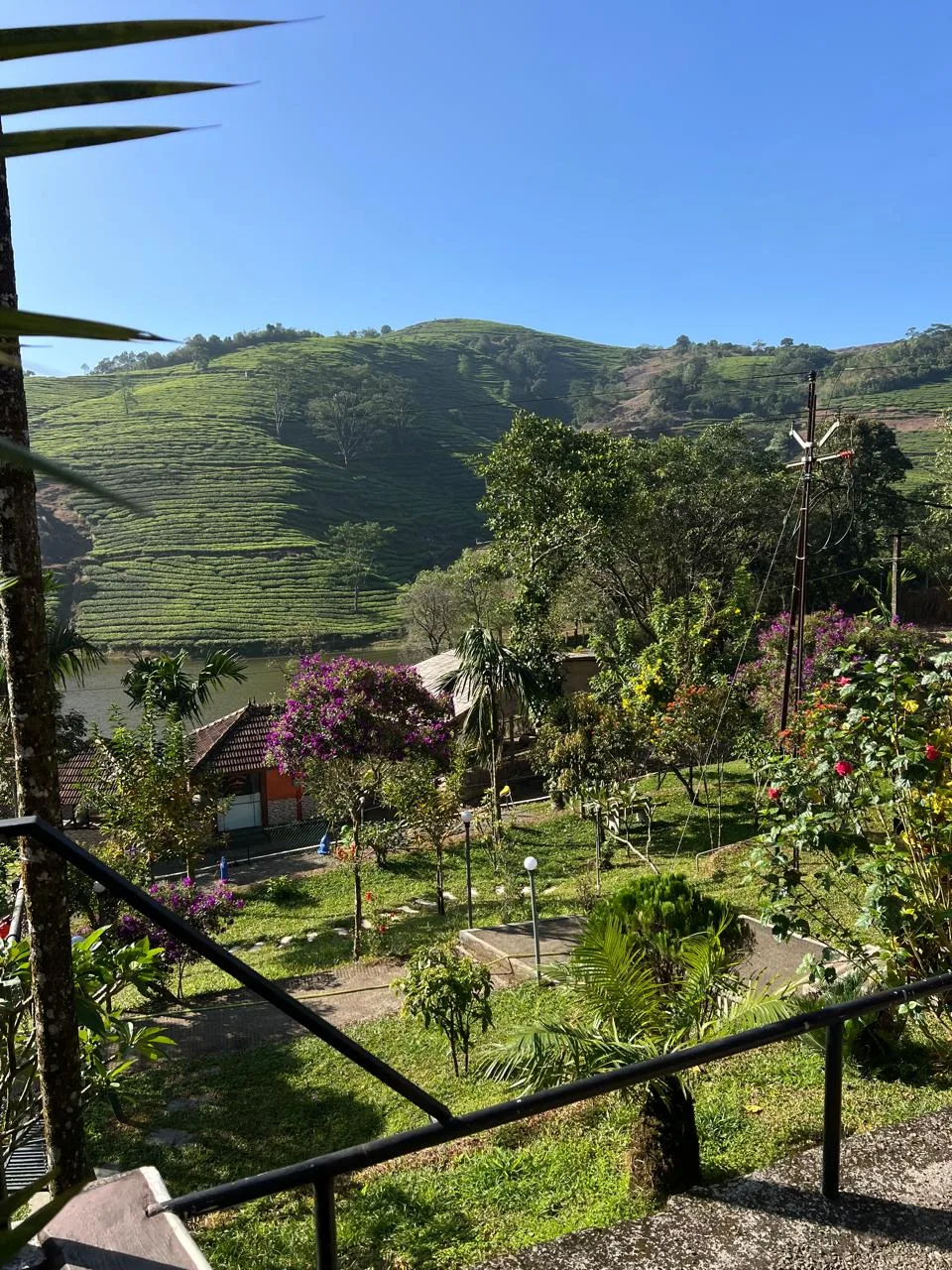
Most Kerala trips run the same loop: Munnar's tea gardens, a houseboat in Alleppey, a beach day in Kovalam. Those places are popular for good reason. But the state has a quieter side that most travellers drive straight past: canoe-width canals, sandalwood country, windy ridges above the Idukki reservoir and grassland hills in the far north where you might share the trail with nobody. This guide covers 27 offbeat places in Kerala, split by region, with honest notes on access, timing and who each one suits. None of them are secret. They are simply visited far less than the famous hubs, and that is the whole point.
| Travel detail | Practical answer |
|---|---|
| Best overall period | November to February brings the most comfortable weather, with higher demand. June to August is monsoon: lush and quiet, but heavy rain can shut boat routes and trails. Our month-by-month guide to the best time to visit Kerala goes deeper. |
| Best for backwaters | October to February is the easiest window for boat-based experiences. |
| Best for hills | November to February. |
| Ideal trip length | 7 days covers three or four regions comfortably. Add a separate week for North Kerala. |
| Getting around | Trains connect the major towns. For the last stretch to villages and trailheads, you need a taxi, jeep, ferry or your own car. |
| Language | Malayalam. English works in most tourism settings. |
| Daily budget | Roughly Rs 2,000 to Rs 3,000 a day on homestays, buses and local eateries. Budget Rs 3,000 to Rs 6,000 a day for eco lodges, private transfers and paid forest experiences. |
Before you go: forest programmes, treks and boat activities change with weather, water levels and conservation rules. Confirm access, timings and permits directly before you travel.
| Gateway | Offbeat places linked | Approx distance | Why use it |
|---|---|---|---|
| Kochi (COK) | Vagamon, Nelliyampathy, Marari, Kumbalangi | Kochi to Vagamon: about 3 to 4 hours. Kochi to Marari: about 1 to 1.5 hours | Best for a hills, coast and village loop |
| Trivandrum (TRV) | Poovar, Kappil via Varkala | Trivandrum to Poovar: about 30 km | Best for an estuary and cliff beach combo |
| Kollam | Munroe Island | Short hop to Munroturuthu and the ferries | Ideal for backwater village immersion |
| Palakkad | Silent Valley, Nelliyampathy | Via Mannarkkad and Pothundy Dam | Entry point for rainforest and lesser known hill estates |
| Kasaragod or Mangalore | Ranipuram | Hill road from Kasaragod | A good add on for a north Kerala leg |
Local transportation: A self drive car or rented bike out of Kochi or Trivandrum gives the most freedom for the hill and forest sections, where public transport thins out fast. KSRTC buses, local jeeps and ferries cover the budget route between towns, but they run on their own schedule, so build slack into travel days rather than planning around them.
| Place | Best months | Monsoon impact | Typical feel |
|---|---|---|---|
| Vagamon | September to March, lush through June to September | Heavy showers, misty roads | Cool, misty meadows and pine forest |
| Munroe Island | October to March | Light rain, canals stay navigable | Warm, humid, ideal for canoeing |
| Poovar | October to February | Rough seas at peak monsoon | Coastal estuary landscape |
| Gavi | November to March | Access regulated in heavy rain | Deep forest, cool climate |
| Silent Valley | October to February | Slippery trails in monsoon | Dense, undisturbed rainforest |
| Nelliyampathy | September to March | Low visibility in heavy rain | Plantation hills, hairpin bends |
| Ranipuram | October to February | Trails get slushy | Grassland treks, cool evenings |
| Marari and Kappil | November to February | High waves, erosion in places | Quiet beaches and backwaters |
These five stops form the spine of the small-group trip we run with a local Malayali guide (full route further down). They sit between Kumarakom and the Munnar hills, close enough to link in one week, but far enough off the standard circuit that most itineraries miss them.
1. Maravanthuruthu, Vaikom (Kottayam)
Best for: canal paddling, village life, slow mornings. Allow: half a day.
Maravanthuruthu is a Responsible Tourism water village in Vaikom taluk, Kottayam district, along the Muvattupuzha River. Local communities have restored its old canals and now run the experience themselves. You paddle a kayak or ride a country boat through narrow waterways, share a simple meal with the host community and finish with sunset over Vembanad.
Do not skip: the community meal. It is the part of the day that is not on any brochure.
Practical tip: late-morning arrivals give you enough light for the canals. If you land later, push it to the next morning.
2. Uluppuni, near Vagamon
!Vagamon rolling meadows and pine forest at 1,100 metres, Kerala
Best for: ridge walks, open grassland, quiet sunrises. Allow: one full morning.
Vagamon gets its share of weekend visitors, but Uluppuni, reached by an early jeep ride, feels like a different place. The track opens onto ridges where a walk or a guided trek takes up the whole morning. Pair it with Kurisumala or Thangalpara if you have an afternoon free.
Do not skip: a picnic breakfast on the ridge, where permitted.
Practical tip: go early. Clear views are never guaranteed in the hills, and mornings give you the best chance.
Getting there: 4 hours from Kochi, 3 hours from Kottayam. Taxi from Kottayam starts around Rs 3,300 one way.
Weekend warning: Heavy tourist traffic on weekends November to January. Go Monday to Thursday.
Vagamon itself: Spend an afternoon walking the meadows and pine forest, planted here decades ago and now grown into a properly cool, needle carpeted stretch that smells nothing like the rest of tropical Kerala. Kurisumala Ashram and the trail up to Thangalpara make a good half day trek, cutting through tea estates worked by families who've been on this land for generations. If the wind cooperates, Vagamon is also one of India's better paragliding spots, with take off and landing on the same slope. Budget an extra day if you're chasing a clear flying window, since fog and crosswinds can cancel a booked slot without much warning.
3. Calvary Mount, Idukki
Best for: reservoir views, sunset, a night away from town. Allow: one evening and night.
Calvary Mount sits above the Idukki reservoir country, a stretch of Kerala that very few itineraries bother with. A late-afternoon ridge walk here gives you the reservoir from above as the light drops. On the drive in, stop at the viewpoints around Cheruthoni and the Idukki Dam.
Practical tip: walking on Idukki Dam is only allowed during officially notified periods. Check before you plan around it.
4. Ramakkalmedu, Idukki
Best for: wind, wide views, a short and easy walk. Allow: two to three hours as a detour.
Ramakkalmedu is a windswept ridge in Idukki, best known for its constant wind and the Kuravan Kurathi statue. It is not a roadside stop. Treat it as a planned scenic detour while travelling from Kattappana towards Suryanelli and the southern Munnar highlands, and allow two to three extra hours for the diversion and the ridge walk. Combine it with the Ayyappan Kovil hanging bridge over the Periyar and a visit to a family spice farm around Kattappana, where you can see cardamom being grown, cured and graded.
Practical tip: spice farm visits need to be arranged in advance. Do not just turn up.
5. Kolukkumalai, near Suryanelli
!Kolukkumalai tea estate among the world's highest, Kerala
Best for: sunrise, tea country, early risers. Allow: one early morning.
Kolukkumalai is the reason to set an alarm for well before dawn. A local jeep climbs a rough track from Suryanelli to the tea estates, and on a clear morning you watch the sun come up over the tea estates and the clouds. Most Munnar visitors never make it up here, since the last stretch is jeep-only.
Sitting at around 7,900 feet above sea level, it is among the world's highest tea estates.
Getting there: Shared jeeps depart from Suryanelli. Fare is approximately Rs 3,000 to Rs 3,500 per jeep for 5 people. The drive from Munnar takes around 1.5 to 2.5 hours depending on road conditions.
Do not skip: the tea factory, on days it is operating.
Practical tip: sunrise is weather-dependent. Stay in Suryanelli the night before so a cloudy morning is a short loss, not a wasted day.
While you're in Suryanelli: Suryanelli is set up for adventure, not sightseeing. Eagle's Flight, one of India's longest ziplines, runs over a river gorge here. Weekday pricing runs around Rs 3,250 plus GST, weekends around Rs 3,750 plus GST. Beyond that: river camping at approximately Rs 1,800 to Rs 2,500 per person with a minimum group of 8, kayaking on Periyar tributaries, and rappelling. The operators are local, the experience is functional rather than resort-polished.
!Suryanelli zipline and river adventure Kerala
6. Vattavada
!Vattavada village above Munnar at 2,100 metres, Kerala
Vattavada is a village above Munnar at around 2,100 metres. Most people go for the strawberry farms and carrot fields. What does not get talked about enough is the road.
The drive from Munnar takes you through sharp switchbacks with Eravikulam National Park on one side and open valley drops on the other. Bikers say this road holds its own against Himalayan routes. Not because of altitude but because of the tightness of the turns. Round a corner on a clear morning and you have nothing but sky ahead and mist sitting low in the valley below. That is the moment.
Getting there: 40 km from Munnar town, 1.5 to 2 hours. Taxi runs approximately Rs 1,400 to Rs 1,900 one way depending on operator and vehicle type. No petrol pump on this route. Fill up in Munnar.
Stay: Several homestays operate in the village. Sahari Mariental Jungle Resorts and Wild Campers Cottages are in the Rs 1,750 to Rs 1,800 range. Nature Sign Vattavada starts around Rs 1,350. Prices fluctuate by season so confirm directly before booking.
Best time: October to February. Avoid June to August.
7. Marayoor and Kanthalloor, Idukki
Best for: history, orchards, sandalwood country, road trips. Allow: one or two nights. Best period: October to March.
Around 40 km from Munnar, Marayoor looks nothing like the tea slopes most people associate with the area. It is known for natural sandalwood forest, sugarcane fields, locally made jaggery and the muniyara, stone burial chambers from Kerala's megalithic past that are around 2,000 years old. Further on, Kanthalloor is quieter still, all farms and small settlements.
Do not skip: the muniyara, a jaggery-making unit and a permitted sandalwood experience.
Practical tip: Kerala Tourism recommends visiting the dolmens between roughly 4:00 and 5:30 pm for the light. Sandalwood forest entry is regulated, so only go in with official permission.
8. Thattekad Bird Sanctuary
!Thattekad Bird Sanctuary on the Periyar river, 300 species recorded
Most Kerala itineraries skip this entirely. Thattekad is in Ernakulam district on the banks of the Periyar river, about 50 km from Kochi, and has recorded over 300 bird species. The Sri Lanka Frogmouth, rare across India and a key draw for birders, is one of Thattekad's most sought-after sightings. Best visited at dawn with a local guide.
Entry is approximately Rs 20 to Rs 60 for Indians, Rs 200 for foreign visitors. Timings are generally 7 AM to 5 PM. No crowds even on weekends.
9. Kumbalangi
Kumbalangi is a fishing village about 15 km from Kochi city, set up as a model tourism village. There is no entry gate and no single sight. You come for how people live here: Chinese net fishing, coir making, crab and fish farms along the water. Most people visiting Kochi never cross over.
Sleep here instead of day-tripping. A good homestay host is the whole experience, and a home-cooked fish lunch is the reason to stay. Ask the price before it's cooked.
Bioluminescence, locally called kavaru, does show up in the water on some nights. It's a natural event, not a nightly show. Don't book anyone who sells it as a guarantee.
Getting there: Ernakulam railway station is about 14 km away, Cochin International Airport about 46 km.
10. Kakkathuruthu, Alappuzha
Best for: sunset, birdwatching, an unhurried village walk. Allow: half a day. Best period: October to March.
Kakkathuruthu is a small island on Vembanad Lake, reached by a traditional boat from the mainland. There is nothing to tick off here. You walk along paddy bunds and waterside paths, watch fishermen at work and stay for the evening light. Responsible Tourism trails on the island include birdwatching, traditional fishing and local food.
Practical tip: confirm the jetty and the last return boat before you go. Carry cash, water and insect repellent, and ask before photographing anyone.
11. Pathiramanal Island
!Pathiramanal Island in Vembanad Lake, Kerala bird sanctuary
Most Alleppey houseboat routes do not stop here. Pathiramanal is a small island in Vembanad Lake accessible only by boat. It is a bird sanctuary with no permanent residents. Around 50 migratory species and 91 local species have been recorded here. Basic walking trails and a watchpost on the island.
Private boats from Alleppey can take you there. Best visited October to February during migration season. No food or water on the island. Carry your own.
12. Krishnapuram Palace and Kayamkulam
!Krishnapuram Palace Kayamkulam Kerala, 200-year-old Kerala-style palace
Alleppey for most visitors means houseboat. Two things nearby that most people skip entirely.
Krishnapuram Palace is a 200-year-old Kerala-style palace in Kayamkulam, 35 km south of Alleppey. It houses the Gajendramoksham mural, one of the largest in Kerala at around 154 square feet. Usually empty on weekday mornings.
Kayamkulam Lake next to the palace is a large backwater with almost no tourist infrastructure. Local fishermen go out in the early morning. If you want backwaters without a houseboat package and other tourists in frame, this is where to go.
Getting there: State buses run from Alleppey to Kayamkulam. Takes about 45 minutes.
13. Marari, Alappuzha
Best for: a quiet beach, a slow end to a trip, Ayurveda. Allow: one or two nights. Best period: November to February.
Marari trades hairpin bends for a quieter fishing village beach with a lower tourist density than Kerala's better known coastal stretches, and an established cluster of Ayurvedic retreats for anyone who wants the trip to end slow rather than scenic.
Getting there: about 1 to 1.5 hours from Kochi.
Practical tip: monsoon brings high waves and erosion in places. Keep beach days to the November to February window.
14. Gavi, Pathanamthitta
!Gavi forest trail inside Periyar Tiger Reserve Thekkady
Best for: forest stays, guided treks, birdwatching. Allow: one or two nights. Best period: October to March, subject to forest conditions.
Gavi is a permit-controlled ecotourism zone, not a hill station you can just drive into. The landscape is grassland, shola forest, waterfalls, cardamom plantations and Kochupamba Lake. Official programmes combine guided treks, boating, plantation visits, forest stays and vehicle safaris. Wildlife sightings are never guaranteed, so come for the forest itself.
Getting there: about 28 km from Vandiperiyar and 51 km from Thekkady. Kottayam is the nearest rail gateway.
Signal: No mobile network in Gavi.
Practical tip: book through the Kerala Forest Development Corporation (KFDC) in advance. There is no walk-in entry or on-demand accommodation, and access can close temporarily because of weather or forest conditions, so reconfirm shortly before you travel. Do not count on a specific activity until KFDC confirms it for your date.
15. Munroe Island, Kollam
Best for: canoeing, village life, photographers. Allow: one full day or one night. Best period: October to March.
Munroe Island sits where Ashtamudi Lake meets the Kallada River. Instead of a large houseboat, you take a small canoe through narrow canals lined with coconut palms, village homes and low bridges. Many trips include coir-making, paddy fields and a look at everyday island life.
The island takes its name from Colonel John Munro, a British Resident of the old Travancore state, who oversaw the land reclamation where the Kallada River meets Ashtamudi Lake in the early 1800s. The afternoon canoe route usually threads past the Dutch Church, a red brick building put up in 1878 that mixes Dutch and Kerala architectural style on the lake bank, before opening onto Ashtamudi itself for the evening light. Ashtamudi is Kerala's second largest backwater system after Vembanad, and from Munroe's smaller canals it feels enormous by comparison.
Getting there: Munroe Island has its own railway station and can also be reached by road or boat from Kollam. The nearest airport is Thiruvananthapuram.
Practical tip: stay at a local homestay and ask your host to arrange a licensed boatman. Go early for soft light and calm water, wear a life jacket and do not stand up suddenly in a narrow canoe.
Karimeen pollichathu, prawn curry and fish molee are what Ashtamudi kitchens do well.
16. Thenmala and Shendurney, Kollam
Best for: families, forest trails, reservoir views. Allow: one full day or one night. Best period: October to February.
Thenmala is India's first planned ecotourism destination and the gateway to the Shendurney Wildlife Sanctuary. Around the reservoir you get nature trails, elevated walkways and boating. For something deeper, Shendurney's official programmes include soft and hard treks, bird and butterfly watching and some camping options.
Getting there: about 22 km from Punalur, 66 km from Kollam and 75 km from Thiruvananthapuram.
Practical tip: match the trek to your group. The harder routes run for several hours, and one full-day route covers 18 km. Book ahead, this is not a roadside stop.
17. Edava and Thiruvambadi Beach
!Edava Thiruvambadi beach north of Varkala, no tourist infrastructure
Varkala's cliff beach is well known. Two km north, Edava and Thiruvambadi beaches are not. No restaurants, no guesthouses on the beach itself, no parasailing operators. The fishing community here still uses traditional catamaran boats. Thiruvambadi has a small Shiva temple on the beach that gets crowded one day a year for the temple festival and is empty the rest of the time.
Walk from Varkala cliff along the shore takes about 25 to 30 minutes. Do it at low tide.
18. Kappil, near Varkala
Best for: scenic drives, sunsets. Allow: half a day. Best period: November to February.
At Kappil the road runs between the sea and a lake, and the coast is quieter than the Varkala cliffs. Come for the drive and the sunset rather than any single sight. Pair it with Edava and Thiruvambadi on the same afternoon.
Getting there: from Trivandrum, via Varkala.
19. Anjengo Fort
Anjengo is 20 km south of Varkala. It has one of the oldest British forts in Kerala, a lighthouse, and a Dutch cemetery nearby. The village around it is a working fishing village with almost no tourist infrastructure. The fort sits directly on the beach. Worth a half day if you are already in Varkala.
Getting there: State bus from Varkala or autorickshaw. Ask at Varkala cliff for current fares.
20. Ponmudi
!Ponmudi hill station Kerala, 22 hairpin bends from Trivandrum
Ponmudi is Kerala's least visited hill station. It sits at 1,100 metres, about 60 km from Trivandrum, and the road up has 22 hairpin bends. The government-run KTDC resort at the top is functional and cheap. The surrounding forest has trekking routes through tea estates and a waterfall at Golden Valley. Most visitors are locals. Foreign tourists and Bangalore travelers almost never include this on a Kerala itinerary, which is exactly why it belongs on this list.
Getting there: State buses run from Trivandrum. Taxi is also an option. Ask at Trivandrum bus stand for current timings and fares.
21. Neyyar Dam and Agasthya Peak Trek
!Neyyar Dam and Agasthya Peak Trek, Western Ghats Kerala
Neyyar is 32 km from Trivandrum. The dam creates a large reservoir with the Agasthyamalai biosphere reserve on the western bank. The forest department runs a wildlife complex with a crocodile rehabilitation centre and deer park. Entry fees apply at the gate.
The trek to Agasthya Peak starts from here. It is a 2-day trek requiring a forest department permit and a guide. The peak is one of the highest points in the Western Ghats south of Munnar. Permits must be arranged through the forest department in advance and cannot be obtained on the spot.
Getting there: KSRTC buses from Trivandrum to Neyyar. Taxi also available from the city.
22. Poovar, Thiruvananthapuram
Best for: estuary boat rides, mangroves, a beach you can only reach by boat. Allow: half a day or one night. Best period: October to February.
The drive down to Poovar ends at a boat jetty, since Poovar's beach is reachable only by water. The name is said to come from an older one, Pokkumoosapuram, renamed by the Travancore king Marthanda Varma to Poovar, which translates roughly to river of flowers. What makes the geography here unusual is the confluence: the Neyyar River, which rises in the Agastyarkoodam hills, runs into a lake and then the Arabian Sea, all three meeting in a single wide estuary lined with mangroves.
The afternoon boat ride through the backwaters is slow and low sided, close enough to the mangrove roots to spot a kingfisher or a brahminy kite working the shallows, and to pass fishing families setting out for the evening catch. Golden Sand Beach, at the mouth of the estuary, stays quiet simply because nobody can drive to it. Every visitor arrives the same way you do, by boat, which keeps the crowd small even in peak season.
Getting there: about 30 km from Trivandrum.
Practical tip: seas get rough at peak monsoon. Use a licensed boat operator and insist on life jackets.
23. Nelliyampathy, Palakkad
Best for: scenic drives, plantations, viewpoints. Allow: one or two nights. Best period: November to February.
Nelliyampathy gives you plantation roads, forest edges and mountain viewpoints without the Munnar crowds. The road climbs through a long series of hairpin bends past tea and coffee estates. Pothundi Dam makes a natural stop on the way up, and Seetharkundu and Pothumala are linked to official trekking options.
The Seetharkundu viewpoint opens onto the whole Palakkad plain and a waterfall said in local telling to be where Sita bathed during her exile in the Ramayana. Along the way, roadside stalls sell fresh estate tea and bottled guava juice from the plantations themselves.
Getting there: Palakkad railway station is about 56 km away and Kochi airport about 115 km. Nenmara is the nearest town.
Practical tip: avoid the ghat road after dark or in heavy rain if you are not used to mountain driving. Fill up before you start the climb.
24. Silent Valley National Park
Silent Valley is tropical evergreen rainforest at the core of the Nilgiri Biosphere Reserve. It isn't a safari. Entry is tightly managed: you go in on a Forest Development Agency jeep or bus with a guide, and there's no stay inside the park. Sightings are never guaranteed. You come for the forest itself, the long silences and the birdlife.
The name itself is a small piece of natural history: the forest is unusually free of cicadas, the insects responsible for most of a rainforest's background noise, which leaves it genuinely quieter than the jungle around it. The Kunthipuzha River, which runs the length of the park before joining the Bharathapuzha, was at the centre of a proposed hydroelectric dam in the 1970s that would have flooded this forest. The Save Silent Valley movement, one of India's first major environmental campaigns, got the project cancelled in 1983, and the park was declared the following year. It's now the largest known habitat of the lion tailed macaque.
Only the Sairandhri buffer zone is open to visitors, reached by a guided jeep from Mukkali along a winding forest track to a watchtower overlooking the canopy and the river below.
Getting there: Mukkali is the base. The standard Sairandhri trip takes about five hours. Palakkad railway station is around 69 km from Mukkali, Coimbatore International Airport around 91 km.
Stay: Mukkali, Mannarkkad or Palakkad.
Permits: Entry may need prior permission from the Assistant Wildlife Warden. Confirm programme timings before you travel.
25. Paithalmala, Kannur
Best for: trekkers, grassland views. Allow: one full day. Best period: November to February.
Paithalmala sits in the Western Ghats of Kannur, looking over the Coorg valleys on one side and the Kannur plains on the other. The trail climbs through semi-evergreen shola forest before opening onto wide grassland near the top. It feels nothing like the southern hill stations.
Getting there: about 55 km by road from Kannur town. The trek is roughly 5 km, with a harder approach from Kappimala and an easier, more common one from Pottenplave.
Practical tip: start early, carry water and wear proper shoes. Turn back if fog, lightning or heavy rain sets in.
26. Ranipuram, Kasaragod
Best for: short treks, active families, grassland. Allow: half a day to one day. Best period: November to February.
Ranipuram mixes evergreen shola, monsoon forest and open meadows, with forests that run on towards the Coorg hills. It is one of the best nature outings in Kasaragod district. Official sources put the trek at about 2.5 km one way, a manageable half-day walk rather than an expedition.
Getting there: about 43 km from Kanhangad, via Panathady, where you can pick up onward jeeps.
Practical tip: this is elephant country. Never approach wild elephants or block their path, follow local instructions and carry all food waste out.
27. Valiyaparamba Backwaters, Kasaragod
Best for: quiet cruises, fishing villages, couples. Allow: one day or one night. Best period: October to February.
Valiyaparamba is the northern answer to Alleppey, without the houseboat traffic. Fed by four rivers, the backwater is dotted with islands, fishing settlements and palm-lined channels. Boat cruises and a few houseboats operate here, and it pairs naturally with Bekal Fort.
Getting there: about 10 km south of Nileswaram. Kanhangad is the nearest rail point and Mangaluru the nearest major airport.
Kottappuram near Nileshwaram is the main cruise gateway, about 12 km from Kanhangad. Buses connect Kanhangad and Nileshwaram, and autos run from Nileshwaram Market Junction to the jetty.
Practical tip: before you pay, confirm what the cruise includes: duration, meal, route, life jackets and pickup point.
| Traveller type | Best choices | Why |
|---|---|---|
| Couples | Kakkathuruthu, Valiyaparamba, Calvary Mount | Quiet water, slow evenings |
| Families | Thenmala, Munroe Island, Ranipuram | Structured activities, manageable outings |
| Trekkers | Paithalmala, Ranipuram, Uluppuni, Agasthya Peak | Forest and grassland trails of varied difficulty |
| Forest and bird lovers | Gavi, Shendurney, Silent Valley, Thattekad | Guided forest experiences and serious birding |
| Culture and history | Marayoor, Maravanthuruthu, Krishnapuram Palace, Anjengo | Megalithic sites, palaces, forts and village life |
| Quiet beaches | Edava and Thiruvambadi, Anjengo | Fishing villages, no beach shacks |
| First-time offbeat travellers | Munroe Island, Kolukkumalai, Nelliyampathy | Distinctive places with practical access |
If you would rather not stitch these together yourself, this is the route our 7-day offbeat Kerala trip follows, with a local Malayali guide from the first day to the airport drop. If you want the classic first-timer loop instead, the usual Munnar, Thekkady and Alleppey route is still a good week, just a busier one.
Sunrise, paragliding and some walks depend on weather and access, so treat them as likely rather than guaranteed. Our guide adjusts the pace to the group, and local jeeps handle the rough sections.
Paithalmala, Ranipuram and Valiyaparamba do not fit in the same week as the south. Give them their own trip:
Boutique or splash out: Eco resorts and glamping setups in Vagamon and around Poovar's estuary, built around the meadow and mangrove views rather than a pool. Best for couples or a soft adventure trip that still wants a proper bed at the end of the day.
Mid range or best value: KFDC's own forest lodges at Gavi, and estate bungalows and homestays through the Nelliyampathy and Ranipuram belt. Best for travellers who want a genuine forest or plantation stay without camping gear.
Homestay or local immersion: Family run houses on Munroe Island and in Kumbalangi, where the stay itself is part of the itinerary: coir demonstrations, home cooked meals and a canoe parked at the back door. Best for slow travellers who'd rather eat with a family than order off a menu.
| Category | Typical locations | Price band | Notes |
|---|---|---|---|
| Eco resorts and glamping | Vagamon, Poovar | Rs 4,000 to Rs 8,000 per night | Meadow, estuary and forest views, good for couples and soft adventure |
| Homestays and village houses | Munroe Island, Kumbalangi, Silent Valley and the Nelliyampathy belt | Rs 1,500 to Rs 3,500 per night | Family run, local food, guided village walks |
| Forest lodges and tents | Gavi | Confirm with KFDC for your date | Vegetarian meals only, strict eco rules, book via KFDC |
| Budget town lodges | Kollam, Kumily, Palakkad, Kasaragod | Rs 800 to Rs 2,000 per room | Good bases when doing day programmes only, or when forest stays are full |
| Ayurvedic beach retreats | Marari | Rs 4,000 to Rs 7,000 or more per person, including therapies and meals | Ideal for wellness focused travellers at the end of the trip |
Skip the menus built around generic North Indian dishes and eat where locals eat.
The dish to look for: Karimeen pollichathu, pearl spot fish marinated in spices, wrapped in a banana leaf and grilled, through the Munroe Island, Kumbalangi and Poovar belt, where the fish comes straight out of the backwaters it's cooked beside. A homestay kitchen beats any restaurant version, since it's usually made to order with whatever the morning catch brought in. In the hill sections, look for simple rice and curry meals at small tea shops along the Vagamon and Nelliyampathy roads, and fresh estate tea straight from the plantation stalls rather than a hotel breakfast buffet.
Confirm the price before ordering fish by weight.
All prices listed are approximate and based on information available at the time of writing. Prices change frequently. Wildfloc does not guarantee the accuracy of any fare, entry fee, or activity cost mentioned here. Confirm directly with operators before booking.
The offbeat places in Kerala that stay with you are not the hardest to reach. They are the ones that reward patience: a canoe sliding into a narrow Munroe canal, wind on the Ramakkalmedu ridge, the sun breaking through cloud at Kolukkumalai, a fishing boat crossing Valiyaparamba at dusk.
Go slowly, book the regulated experiences in advance, spend your money locally and leave each place as you found it.
Want to see Kerala beyond the usual circuit without stitching it together yourself? Explore the Offbeat Kerala Tour for the full route, stays and inclusions.