Kerala does not ease you in. It arrives all at once, the moment you step out of the airport: the heat first, then the green, then the smell of rain on warm tar that never fully dries. Most Kerala itineraries hand you the same seven days. Kochi one day, Munnar two, Alleppey two, Kovalam two. Every resort has the same infinity pool shot. Every travel blog has the same list. This one is different because we have actually done it, on bikes, in guesthouses, on beaches you reach through paddy fields at 6am.
This is not a resort itinerary. It is a route designed around the roads and the landscapes that most people skip because a travel agent never told them to go.
Fort Kochi is the right place to start because it slows you down before you need to speed up.
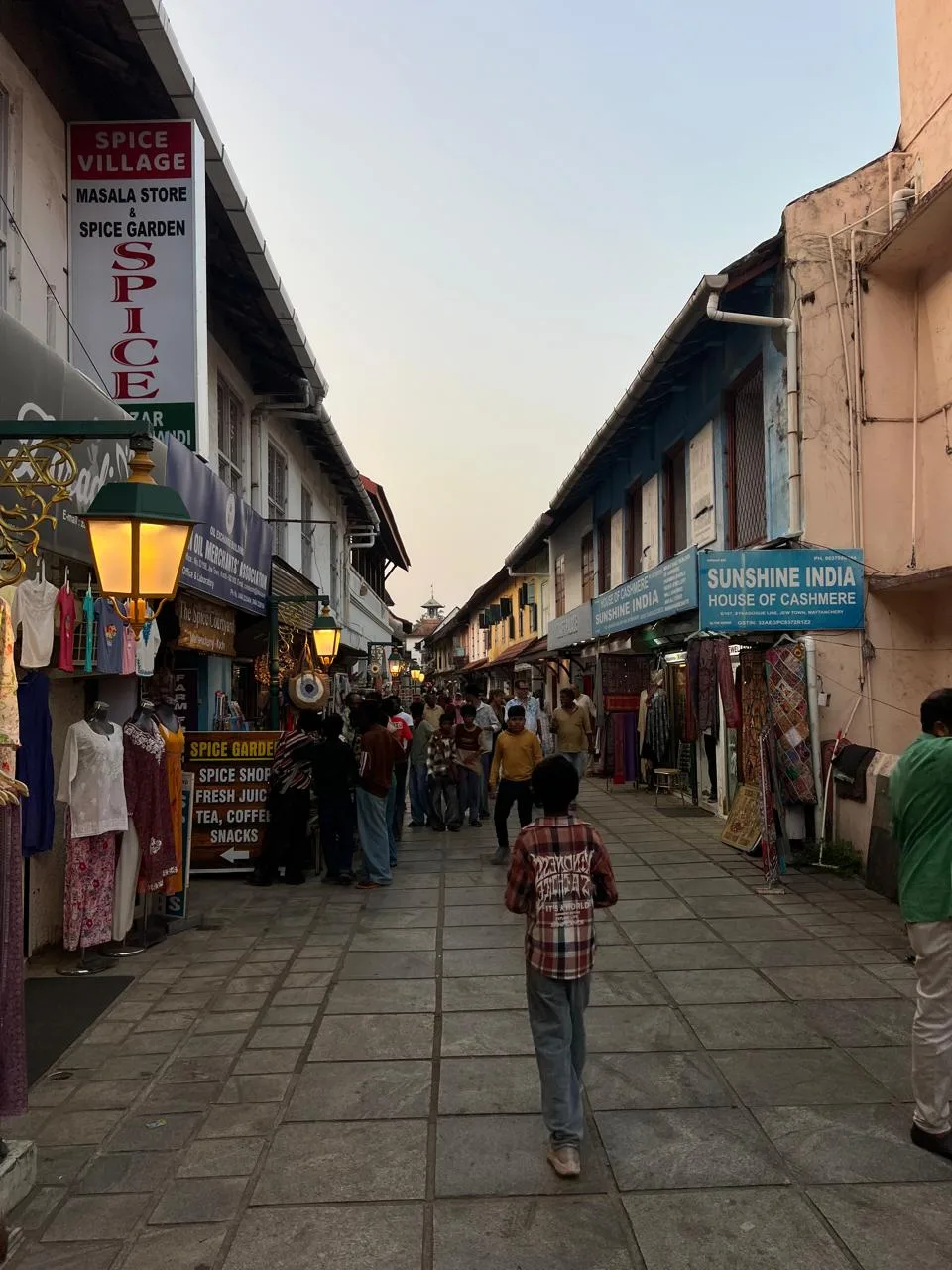
Arrive in Kochi, drop your bags, and walk. The streets around Fort Kochi and Mattancherry are narrow enough that you keep stopping. Old Dutch houses with wooden shutters. Syrian Christian churches with no tourists inside. The spice warehouses near the Jew Town road, where the air smells of pepper and turmeric so strongly it sits in your clothes for the rest of the day.
Eat at a small place on Rose Street or near the Chinese fishing nets. Do not book a fancy hotel here. Stay in one of the colonial guesthouses, Brunton Boatyard if the budget allows, or any of the homestays on Princess Street if it does not. You are sleeping, not sightseeing.
The Chinese fishing nets at sunset are photographed by everyone. Stand there for five minutes and then go somewhere else. The real Fort Kochi is the roads behind the nets, the ones with cats on compound walls and old men playing chess outside tea shops.
What to know:
The drive from Kochi to Munnar is 130km and takes 4 to 5 hours, longer on weekends. The road climbs steadily from around Adimali, and by the time you reach Munnar town you are at roughly 1,600m above sea level.
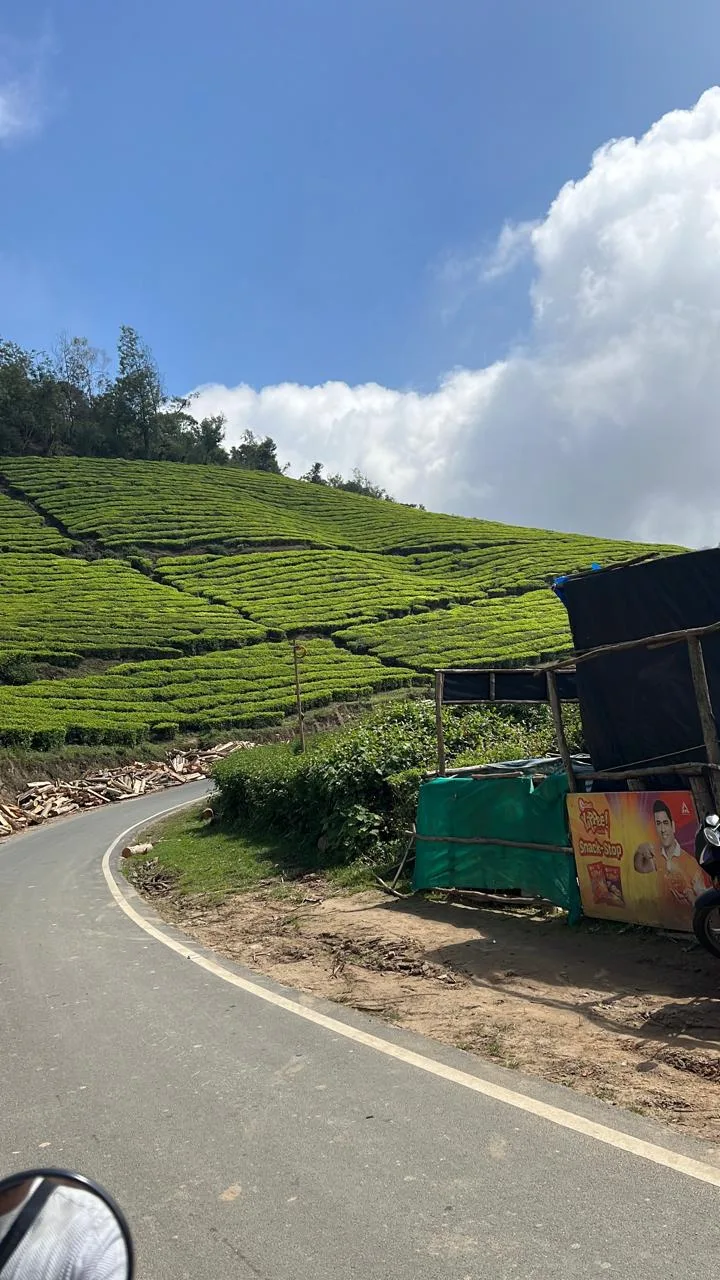
The temperature drops noticeably.
Munnar town itself is not the point. It is congested, the traffic on the main road through town can trap you for hours. The tea estates start just outside town and that is where the landscape shifts. On a bike you can move through the traffic more easily. In a car, plan to arrive before 11am or after 4pm.
Check in, rest. In the evening, walk out into the estates if your stay is close enough to the edge of town.
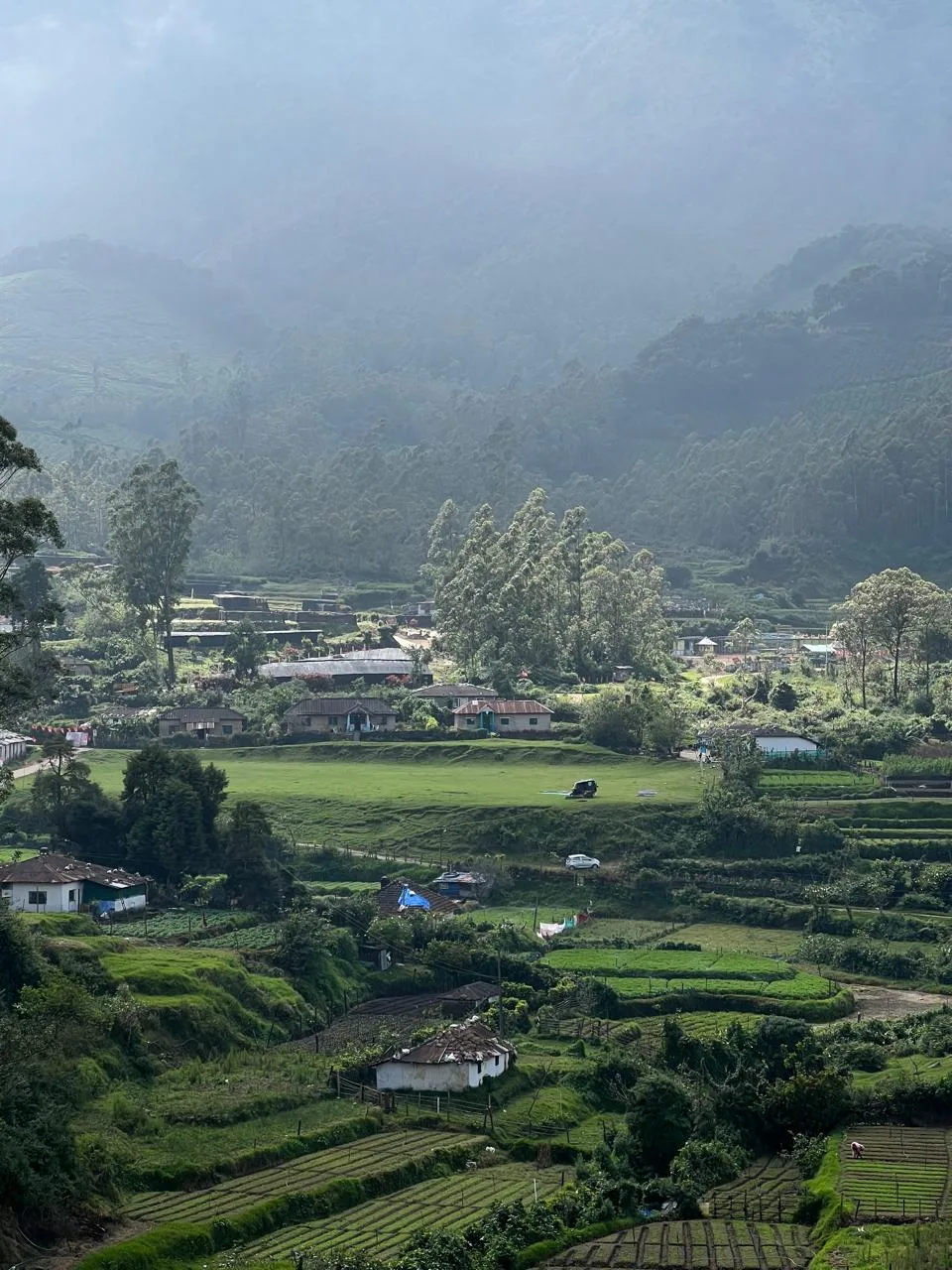
The air in Munnar smells of tea and woodsmoke and something faintly medicinal that comes from the eucalyptus trees along the road. There are stretches at the edge of town, near the Top Station road, where you can stand in the evening light with no sound except wind and occasional birds.
What to know:
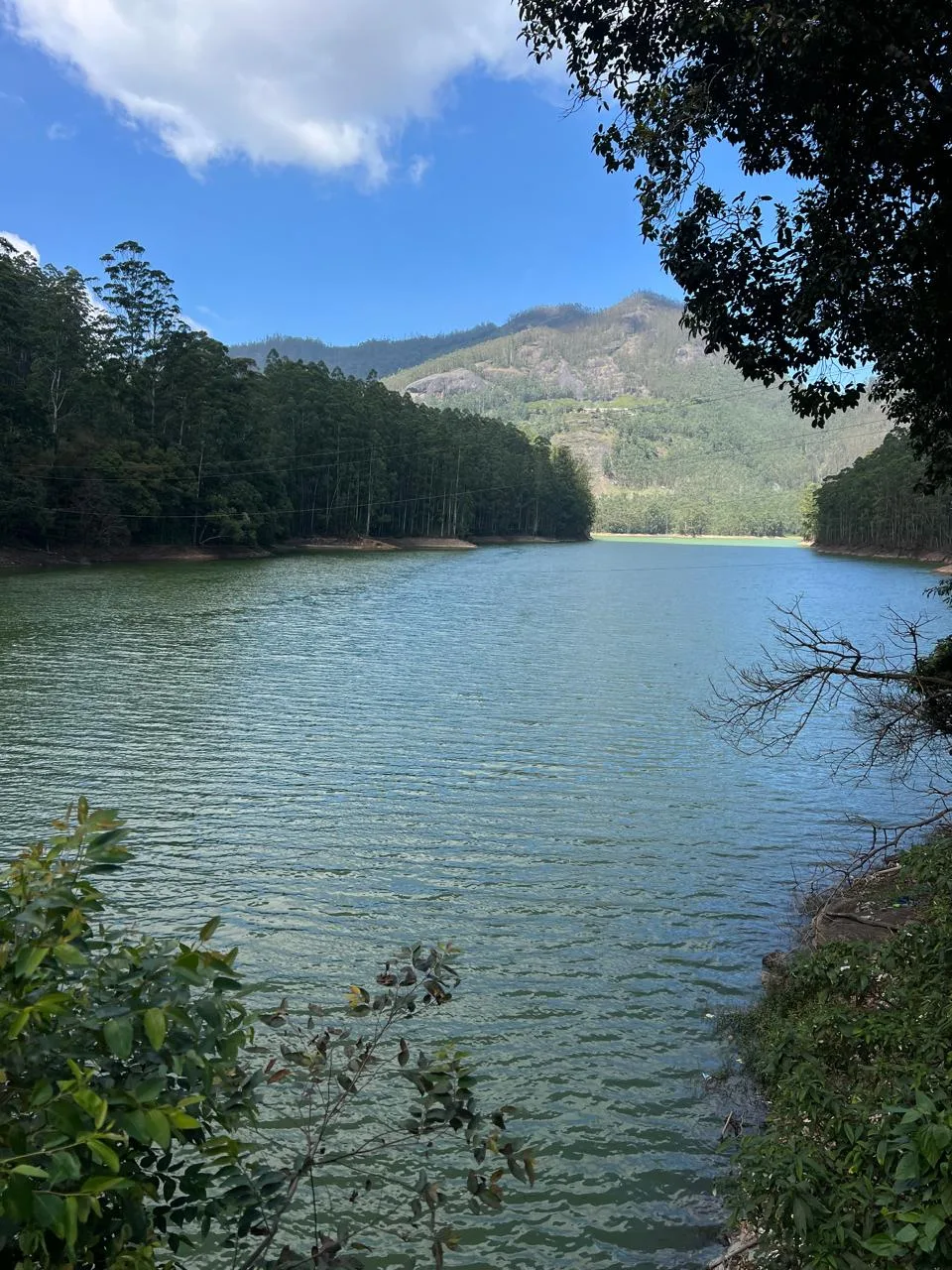
This is the part of the itinerary most people miss.
Vattawada is 28km from Munnar town. The road climbs past Rajamala and Eravikulam National Park, through a landscape that looks nothing like the postcard version of Kerala. The tea estates thin out. The vegetation becomes lower, more alpine. On a clear day the sky above Vattawada is an unbroken blue, the kind of clarity you only get above 2,000m. No haze. No humidity.
We drove this road on a morning when there was frost on the windscreen at 7am. By 10am the sky above was clean enough to see the ridgeline of the Western Ghats in sharp silhouette. That kind of clarity is not something you plan for. It finds you.
Vattawada village has a handful of homestays. Strawberry farms line the road on the way in.
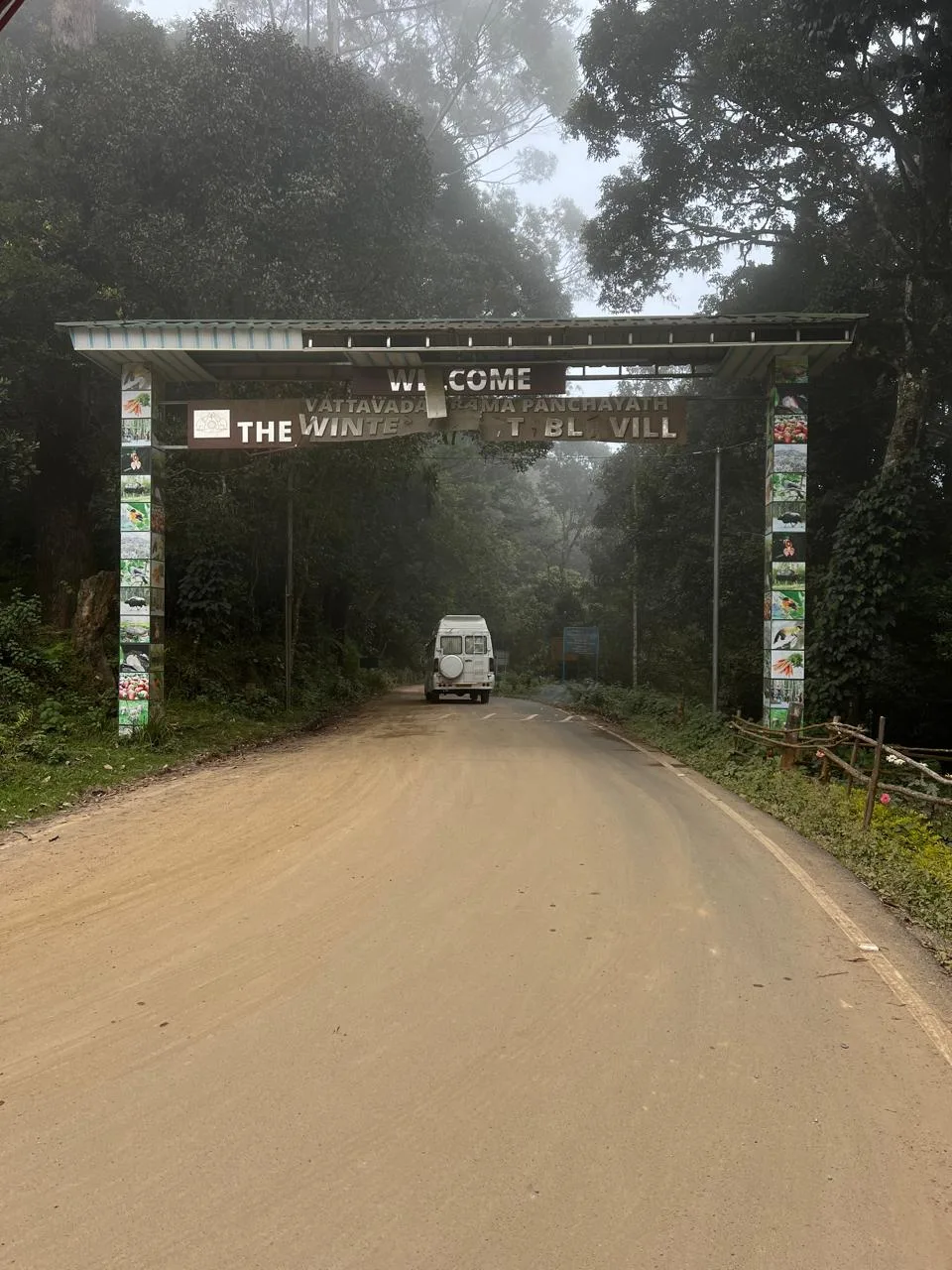
You can buy a kilo of strawberries for Rs 80 to 100 directly from the farm stalls. The cold up here is genuine, not the mild pleasant cool of Munnar town.
Return to Munnar by 1pm. Afternoon is yours.
What to know:
The drive from Munnar to Vagamon is 65km and takes about 2 to 2.5 hours. This road is the one that stays with you.
You descend from the Munnar plateau through hairpin bends that open onto wide valleys. The light is different here, softer, more diffused. By the time you reach Vagamon, around 1,100m elevation, the landscape has changed from the sharp-edged tea estates into rolling green meadows. Vagamon has no single landmark. It does not need one.
We stayed in a small property on the edge of the meadows. Breakfast was served on a wooden balcony with a view of the Murugan Hill in the distance.
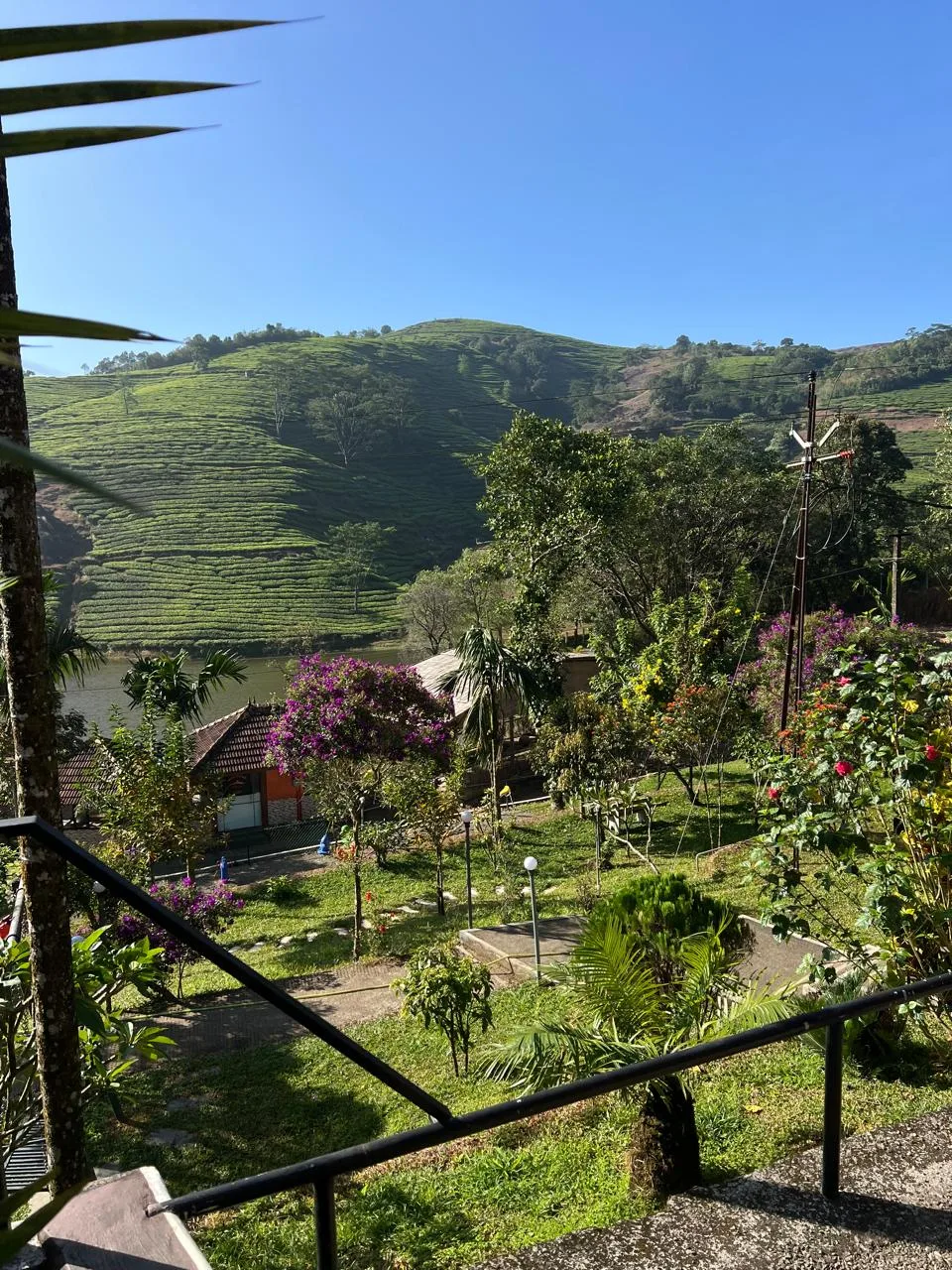
The mornings here were quiet enough that you could hear cattle on the meadow.
Vagamon is not set up for large groups. The restaurants are basic. The roads are quiet. This is a feature, not a problem.
What to know:
Thekkady is 80km from Vagamon, about 2.5 hours. The road passes through Kottayam district, then climbs again into the Cardamom Hills as you enter Periyar.
Thekkady and the Periyar Wildlife Sanctuary are best done with one specific activity: the morning wildlife walk inside the forest buffer zone. The boat ride on Periyar Lake is crowded and the wildlife sightings are unreliable. The walks, run by the forest department, go in small groups and are slower, quieter, and more likely to actually see something.
The spice gardens in Kumily, the town outside the sanctuary, are worth one visit. Not the big commercial ones with tour groups. Walk into one of the smaller family-run gardens on the roads behind the main market. A 45-minute walk through a working spice garden, with someone who actually grows the things, is one of the more interesting hours you will spend in Kerala.
Thekkady nights: eat on the Kumily main street. The fish curry at the local joints is better than anything in the resort restaurants.
What to know:
Alleppey is 170km from Thekkady. The drive is 3.5 to 4 hours through the lower plains of Kerala, rice paddies on both sides, the elevation dropping steadily to sea level.
This is the one stretch where the road and the light do something to you. By the time you reach the coastal belt near Alleppey, the air is humid and heavy with salt. The landscape has flattened entirely. Canals cut across the paddies every few hundred metres.
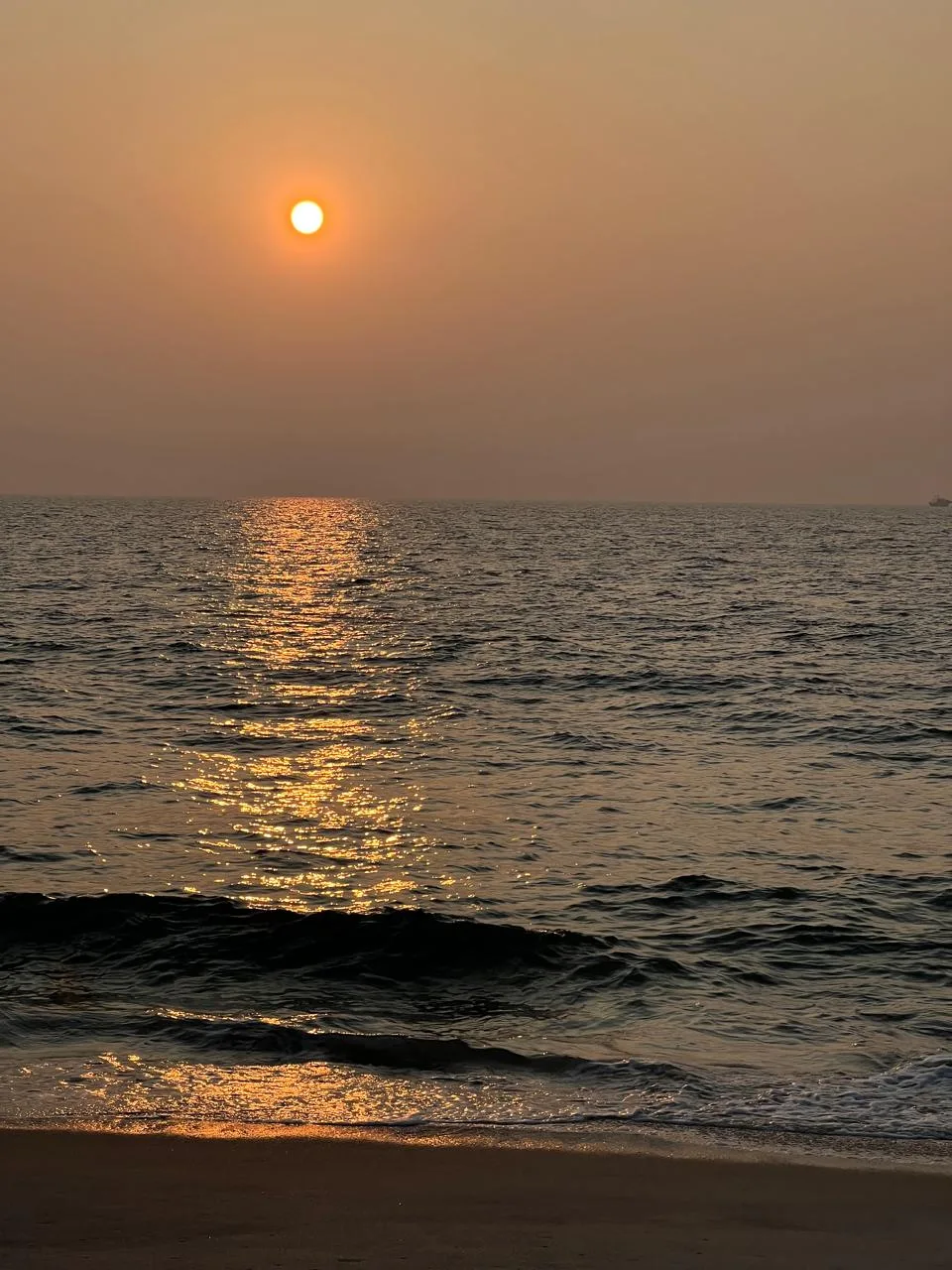
We stayed a night at a small beach property on the Alleppey beach road, not the backwater circuit, the actual coast. The beach at Alleppey is not the cleanest or the most scenic. But staying on the coast rather than on a houseboat means you wake up with the sound of the sea rather than a diesel generator. The sunrises here were clear and direct, no hills in the way, the horizon unbroken.
What to know:
The last day is for the backwaters. Not a full houseboat overnight. A half-day canoe or small motorboat through the narrow canals, the ones that do not appear on the tourist houseboat maps.
The Punnamada Lake and the wider backwater circuit are where the large houseboats operate. The narrow canals behind Alleppey town, through Kuttanad, are different. Smaller boats. Water at eye level. Paddy fields a foot above the water surface on both sides. Villages connected by footbridges. Women washing at the canal edges in the early morning. A rooster on a boat.
This is the Kerala that people mean when they talk about Kerala, and it is only visible if you are low to the water and moving slowly.
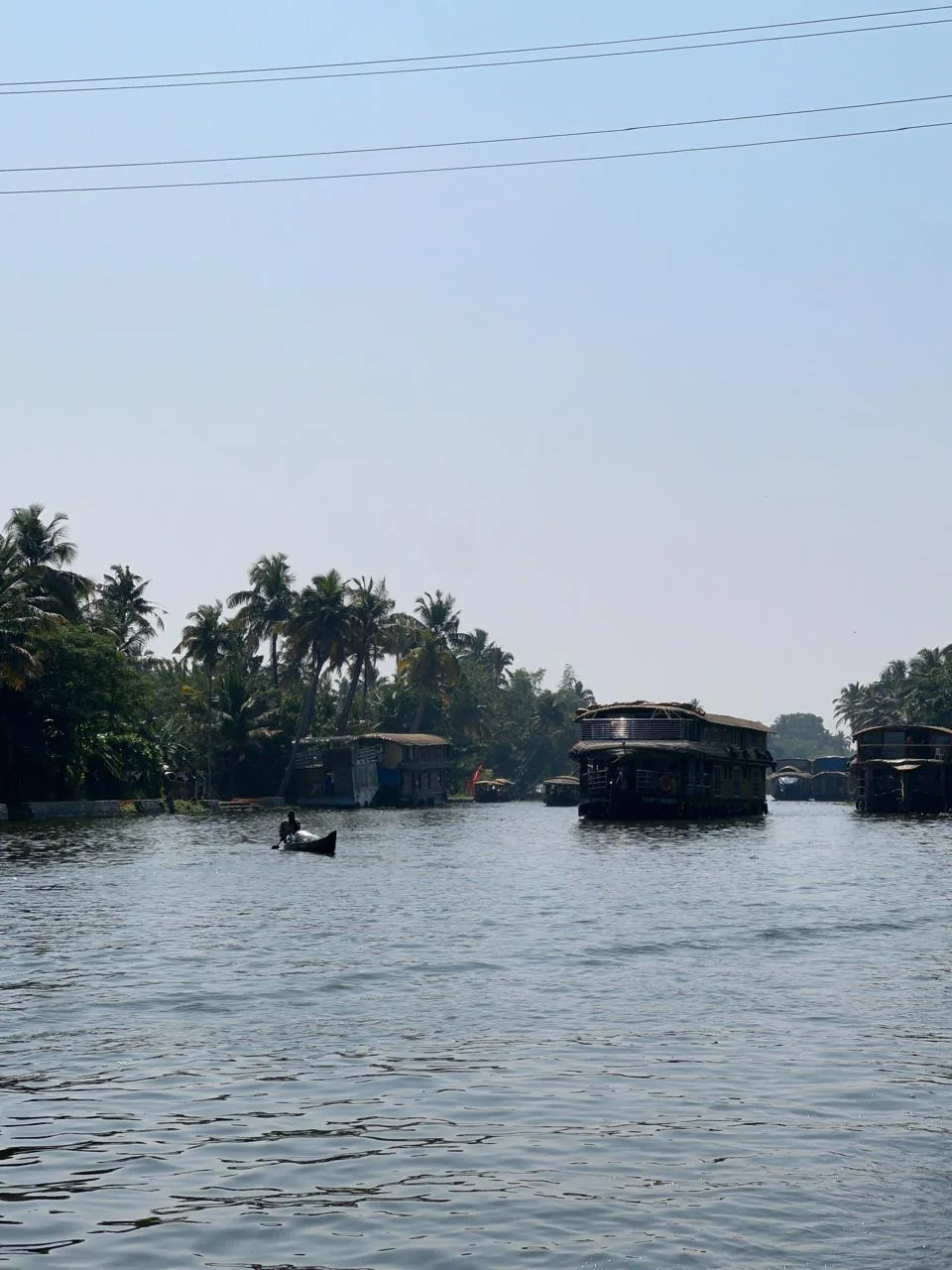
Book the early morning slot. 6.30am canoe through the narrow canals, back by 9.30am. Then pack, eat breakfast, and head to Kochi airport. The drive is 85km, about 1.5 to 2 hours.
What to know:
| Day | From | To | Distance | Drive time |
|---|---|---|---|---|
| 1 | Kochi airport | Fort Kochi | 40km | 1 hr |
| 2 | Fort Kochi | Munnar | 130km | 4-5 hrs |
| 3 | Munnar | Vattawada (return) | 28km one way | 1.5 hrs up |
| 4 | Munnar | Vagamon | 65km | 2-2.5 hrs |
| 5 | Vagamon | Thekkady | 80km | 2.5 hrs |
| 6 | Thekkady | Alleppey | 170km | 3.5-4 hrs |
| 7 | Alleppey | Kochi airport | 85km | 1.5-2 hrs |
October to February is the best window. The post-monsoon months of October and November bring clear skies and green everywhere. December and January are cold in the highlands, Vattawada and Vagamon especially, but the air is the clearest of the year.
March and April work well too, hotter in the plains but still clear. The northeast monsoon has gone, the southwest has not arrived.
Avoid June to August unless you specifically want to drive through active rain. The roads to Munnar and Vagamon are prone to landslides in heavy monsoon. Vattawada road closes. The Periyar sanctuary reduces access. The backwaters are full but brown.
| Category | Budget | Mid |
|---|---|---|
| Accommodation (7 nights) | Rs 4,000-6,000 | Rs 10,000-18,000 |
| Food (all meals) | Rs 2,500-3,500 | Rs 4,000-6,000 |
| Transport (cab or bike) | Rs 8,000-12,000 | Rs 12,000-18,000 |
| Activities | Rs 1,500-2,500 | Rs 3,000-5,000 |
| Total (2 people) | Rs 16,000-24,000 | Rs 29,000-47,000 |
On a bike you can cover the Munnar-Vattawada stretch and the Vagamon roads at your own pace, stopping where the light demands it. A cab with a flexible driver works well for larger groups or anyone who does not want to ride.
Wildfloc runs small group Kerala trips across this exact route, covering Fort Kochi, Munnar, Vattawada, Vagamon, Thekkady, and Alleppey. Groups are capped at 12. No scripted commentary, no fixed restaurant stops. You go where the route takes you.
Check our Offbeat Kerala Tour or reach us directly if you want a customised version of this itinerary for your dates and group size. For a fuller Kerala circuit including the coast, see our Kerala Complete Experience.